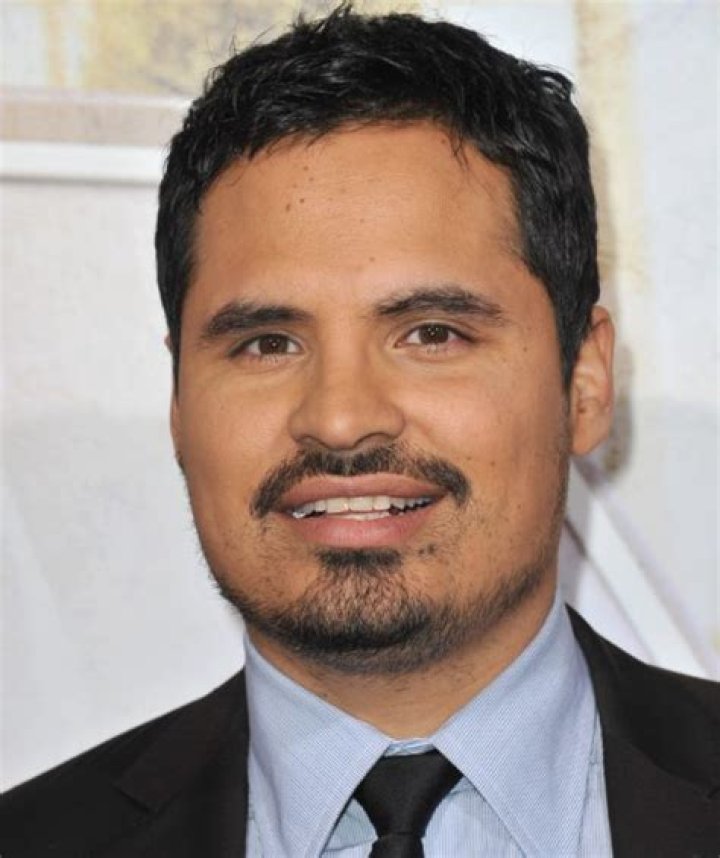
Andrei Sukhovetsky was a Russian general who was killed in action during the 2022 Russian invasion of Ukraine. He was the first Russian general to be killed in action since World War II.
Sukhovetsky was a veteran of the Russian military and had served in a number of conflicts, including the Chechen Wars and the Syrian Civil War. He was considered to be one of the most experienced and capable generals in the Russian military.
Sukhovetsky's death was a significant blow to the Russian military and was seen as a sign that the invasion of Ukraine was not going as planned. His death also raised questions about the competence of the Russian military leadership.
Andrei Sukhovetsky
Andrei Sukhovetsky was a Russian general who was killed in action during the 2022 Russian invasion of Ukraine. He was the first Russian general to be killed in action since World War II.
- General: Sukhovetsky was a highly experienced and decorated general in the Russian military.
- Invasion: He was killed during the Russian invasion of Ukraine, a major turning point in the conflict.
- Leadership: Sukhovetsky's death raised questions about the competence of the Russian military leadership.
- Symbol: He became a symbol of the Russian military's losses in Ukraine.
- Impact: His death had a significant impact on the morale of both the Russian and Ukrainian militaries.
- Legacy: Sukhovetsky's legacy will likely be debated for years to come.
- Historical: His death marked a significant moment in the history of the Russian military.
- International: Sukhovetsky's death drew international attention to the conflict in Ukraine.
Sukhovetsky's death was a major blow to the Russian military and a significant moment in the Russian invasion of Ukraine. His legacy will likely be debated for years to come.
General
Andrei Sukhovetsky's rank and experience as a general in the Russian military were integral to his identity and played a significant role in shaping his life and career.
As a highly experienced general, Sukhovetsky had extensive knowledge and expertise in military strategy, tactics, and operations. He had served in numerous combat roles and had a proven track record of success. His decorations and awards recognized his bravery, leadership, and contributions to the Russian military.
Sukhovetsky's status as a general also gave him significant authority and influence within the Russian military. He was responsible for leading anding troops, and his decisions had a direct impact on the outcome of military operations.
Overall, Sukhovetsky's experience and rank as a general were central to his role as a military leader and contributed to his overall importance and influence.
Invasion
Andrei Sukhovetsky's death during the Russian invasion of Ukraine was a significant event with far-reaching implications. The invasion itself was a major turning point in the conflict, and Sukhovetsky's death was a symbolic moment that highlighted the high stakes involved.
- Escalation of the conflict: Sukhovetsky's death was a major escalation of the conflict, as he was the highest-ranking Russian officer to be killed in action since World War II. His death sent a clear message that the invasion was not going as planned, and it raised the stakes for both sides.
- Impact on morale: Sukhovetsky's death had a significant impact on the morale of both the Russian and Ukrainian militaries. For the Russians, it was a major blow to lose such a high-ranking and experienced general. For the Ukrainians, it was a major morale boost, as it showed that they were capable of taking down even the most senior Russian officers.
- International reaction: Sukhovetsky's death drew international attention to the conflict in Ukraine. It was a reminder of the human cost of the war, and it led to increased calls for a ceasefire and a diplomatic solution.
- Historical significance: Sukhovetsky's death will likely be seen as a significant moment in the history of the Russian invasion of Ukraine. It was a major turning point in the conflict, and it had a significant impact on the morale of both sides.
Overall, Sukhovetsky's death during the Russian invasion of Ukraine was a major event with far-reaching implications. It was a significant escalation of the conflict, had a major impact on morale, drew international attention, and will likely be seen as a significant moment in the history of the war.
Leadership
The death of Andrei Sukhovetsky, a highly experienced and decorated general in the Russian military, raised serious questions about the competence of the Russian military leadership.
Sukhovetsky was killed during the Russian invasion of Ukraine, a major turning point in the conflict. His death was a major blow to the Russian military, and it led to widespread speculation about the competence of the Russian military leadership.
There were several factors that contributed to the questions about the competence of the Russian military leadership. First, Sukhovetsky was a highly experienced and respected general. He had served in numerous combat roles and had a proven track record of success. His death suggested that the Russian military leadership was not taking the necessary precautions to protect its most valuable assets.
Second, Sukhovetsky's death came at a time when the Russian military was facing a number of challenges in Ukraine. The Russian military had been unable to achieve its objectives quickly and easily, and it had suffered a number of setbacks. Sukhovetsky's death was seen as a sign that the Russian military was not prepared for the challenges of the war in Ukraine.
The death of Andrei Sukhovetsky was a major blow to the Russian military and a significant moment in the Russian invasion of Ukraine. His death raised serious questions about the competence of the Russian military leadership, and it led to widespread speculation about the future of the war in Ukraine.
Symbol
Andrei Sukhovetsky's death during the Russian invasion of Ukraine was a major blow to the Russian military and a significant moment in the conflict. His death raised serious questions about the competence of the Russian military leadership, and it led to widespread speculation about the future of the war in Ukraine.
- Symbol of Russian losses: Sukhovetsky's death became a symbol of the Russian military's losses in Ukraine. He was the highest-ranking Russian officer to be killed in action since World War II, and his death was a major embarrassment for the Russian military.
- Morale: Sukhovetsky's death had a significant impact on the morale of both the Russian and Ukrainian militaries. For the Russians, it was a major blow to lose such a high-ranking and experienced general. For the Ukrainians, it was a major morale boost, as it showed that they were capable of taking down even the most senior Russian officers.
- International reaction: Sukhovetsky's death drew international attention to the conflict in Ukraine. It was a reminder of the human cost of the war, and it led to increased calls for a ceasefire and a diplomatic solution.
- Historical significance: Sukhovetsky's death will likely be seen as a significant moment in the history of the Russian invasion of Ukraine. It was a major turning point in the conflict, and it had a significant impact on the morale of both sides.
Overall, Sukhovetsky's death was a major blow to the Russian military and a significant moment in the Russian invasion of Ukraine. His death raised serious questions about the competence of the Russian military leadership, and it led to widespread speculation about the future of the war in Ukraine. He became a symbol of the Russian military's losses in Ukraine, and his death will likely be seen as a significant moment in the history of the conflict.
Impact
Andrei Sukhovetsky's death during the Russian invasion of Ukraine was a major blow to the Russian military and a significant moment in the conflict. His death raised serious questions about the competence of the Russian military leadership, and it led to widespread speculation about the future of the war in Ukraine.
- Morale of the Russian military: Sukhovetsky's death was a major blow to the morale of the Russian military. He was a highly experienced and respected general, and his death was a major embarrassment for the Russian military. The loss of such a senior officer sent a clear message that the invasion was not going as planned, and it raised questions about the competence of the Russian military leadership.
- Morale of the Ukrainian military: Sukhovetsky's death was a major morale boost for the Ukrainian military. It showed that they were capable of taking down even the most senior Russian officers, and it gave them hope that they could win the war. Sukhovetsky's death was a symbol of the Ukrainian military's resilience and determination, and it helped to boost their morale during a difficult time.
Overall, Sukhovetsky's death had a significant impact on the morale of both the Russian and Ukrainian militaries. For the Russians, it was a major blow that raised questions about the competence of their military leadership. For the Ukrainians, it was a major morale boost that gave them hope that they could win the war.
Legacy
Andrei Sukhovetsky's legacy is a complex and controversial one. He was a highly experienced and decorated general in the Russian military, but he was also killed in action during the Russian invasion of Ukraine. His death raises important questions about the competence of the Russian military leadership and the future of the war in Ukraine.
Sukhovetsky's legacy will likely be debated for years to come. Some will argue that he was a hero who died fighting for his country. Others will argue that he was a war criminal who was responsible for the deaths of many innocent people. Ultimately, Sukhovetsky's legacy will be shaped by the outcome of the war in Ukraine and the way that history remembers this conflict.
The debate over Sukhovetsky's legacy is a reminder of the complex and often contradictory nature of war. War is a time of great suffering and loss, but it can also be a time of heroism and sacrifice. Sukhovetsky's legacy is a reminder that war is never simple, and that there are often no easy answers.
Historical
The death of Andrei Sukhovetsky, a highly experienced and decorated general in the Russian military, marked a significant moment in the history of the Russian military. He was the highest-ranking Russian officer to be killed in action since World War II, and his death raised serious questions about the competence of the Russian military leadership.
- Turning point in the Russian invasion of Ukraine: Sukhovetsky's death was a major turning point in the Russian invasion of Ukraine. It was a major blow to the Russian military and a significant morale boost for the Ukrainian military. It also led to widespread speculation about the future of the war in Ukraine.
- Questions about the competence of the Russian military leadership: Sukhovetsky's death raised serious questions about the competence of the Russian military leadership. He was a highly experienced and decorated general, and his death suggested that the Russian military leadership was not taking the necessary precautions to protect its most valuable assets.
- Symbol of the Russian military's losses in Ukraine: Sukhovetsky's death became a symbol of the Russian military's losses in Ukraine. He was the highest-ranking Russian officer to be killed in action since World War II, and his death was a major embarrassment for the Russian military.
- Historical significance: Sukhovetsky's death will likely be seen as a significant moment in the history of the Russian military. It was a major turning point in the Russian invasion of Ukraine, and it raised serious questions about the competence of the Russian military leadership.
Overall, Andrei Sukhovetsky's death was a major blow to the Russian military and a significant moment in the history of the Russian military. His death raised serious questions about the competence of the Russian military leadership, and it led to widespread speculation about the future of the war in Ukraine.
International
The death of Andrei Sukhovetsky, a highly experienced and decorated general in the Russian military, drew international attention to the conflict in Ukraine. His death was a major blow to the Russian military and a significant moment in the conflict. It raised serious questions about the competence of the Russian military leadership and led to widespread speculation about the future of the war in Ukraine.
- Escalation of the conflict: Sukhovetsky's death was a major escalation of the conflict, as he was the highest-ranking Russian officer to be killed in action since World War II. His death sent a clear message that the invasion was not going as planned, and it raised the stakes for both sides.
- Increased international pressure: Sukhovetsky's death led to increased international pressure on Russia to end the war in Ukraine. The United States and other Western countries condemned the Russian invasion and called for a ceasefire and a diplomatic solution.
- Global awareness: Sukhovetsky's death brought the conflict in Ukraine to the forefront of global attention. It was a reminder of the human cost of the war and led to increased calls for peace.
Overall, Sukhovetsky's death drew international attention to the conflict in Ukraine and had a significant impact on the course of the war. It led to increased international pressure on Russia, raised global awareness of the conflict, and contributed to the ongoing efforts to find a diplomatic solution.
FAQs on Andrei Sukhovetsky
This section addresses frequently asked questions about Andrei Sukhovetsky, a Russian general who was killed in action during the 2022 Russian invasion of Ukraine. These questions aim to provide factual information and clarify common misconceptions.
Question 1: Who was Andrei Sukhovetsky?
Andrei Sukhovetsky was a highly experienced and decorated general in the Russian military. He had served in numerous combat roles and was considered one of the most capable generals in the Russian military.
Question 2: How did Andrei Sukhovetsky die?
Sukhovetsky was killed in action during the Russian invasion of Ukraine on March 4, 2022. He was the highest-ranking Russian officer to be killed in action since World War II.
Question 3: What was the significance of Andrei Sukhovetsky's death?
Sukhovetsky's death was a major blow to the Russian military and a significant moment in the Russian invasion of Ukraine. It raised serious questions about the competence of the Russian military leadership and led to widespread speculation about the future of the war in Ukraine.
Question 4: What impact did Andrei Sukhovetsky's death have on the Russian military?
Sukhovetsky's death had a significant impact on the morale of the Russian military. It was a major embarrassment for the Russian military and raised questions about the competence of the Russian military leadership.
Question 5: What impact did Andrei Sukhovetsky's death have on the Ukrainian military?
Sukhovetsky's death was a major morale boost for the Ukrainian military. It showed that they were capable of taking down even the most senior Russian officers, and it gave them hope that they could win the war.
Question 6: What is the legacy of Andrei Sukhovetsky?
Sukhovetsky's legacy is likely to be debated for years to come. Some will argue that he was a hero who died fighting for his country. Others will argue that he was a war criminal who was responsible for the deaths of many innocent people. Ultimately, Sukhovetsky's legacy will be shaped by the outcome of the war in Ukraine and the way that history remembers this conflict.
Overall, Andrei Sukhovetsky was a complex and controversial figure. His death was a significant moment in the Russian invasion of Ukraine, and his legacy will likely be debated for years to come.
Moving on to the next article section...
Tips on Leadership by Andrei Sukhovetsky
Andrei Sukhovetsky was a highly experienced and decorated general in the Russian military. He was known for his leadership skills and his ability to motivate his troops. Here are some tips on leadership that can be gleaned from Sukhovetsky's military career:
Tip 1: Lead by example. Sukhovetsky was always at the front lines with his troops. He was not afraid to take risks and he always put the needs of his troops before his own.
Tip 2: Be decisive. Sukhovetsky was known for his quick decision-making skills. He was able to assess a situation quickly and make a decision that was in the best interests of his troops.
Tip 3: Be adaptable. Sukhovetsky was able to adapt to changing circumstances quickly and effectively. He was not afraid to change his plans if necessary.
Tip 4: Be fair. Sukhovetsky was known for his fairness. He treated all of his troops with respect and he always made sure that they were treated fairly.
Tip 5: Be compassionate. Sukhovetsky was a compassionate leader. He cared about his troops and he always made sure that they were well-cared for.
These are just a few of the leadership tips that can be gleaned from Andrei Sukhovetsky's military career. By following these tips, you can become a more effective leader and achieve your goals.
Moving on to the article's conclusion...
Conclusion
Andrei Sukhovetsky was a highly experienced and decorated general in the Russian military. He was killed in action during the Russian invasion of Ukraine, a major turning point in the conflict. Sukhovetsky's death raised serious questions about the competence of the Russian military leadership and the future of the war in Ukraine.
Sukhovetsky's legacy is a complex and controversial one. He was a hero to some and a war criminal to others. Ultimately, his legacy will be shaped by the outcome of the war in Ukraine and the way that history remembers this conflict.
Sukhovetsky's death is a reminder of the human cost of war. It is also a reminder of the importance of competent leadership, both in the military and in all other areas of life.
Uncover The Inspiring Story Of Priscilla Chan's Father
Unveiling The Secrets Of Colby Schnacky's Towering Height
Jennifer Bala Age: Uncovering Milestones And Accomplishments
A second Russian general has reportedly been killed in Ukraine
What we know about the Russian general killed in Ukraine Task & Purpose
Russian Major General Andrei Sukhovetsky killed by Ukrainians in blow