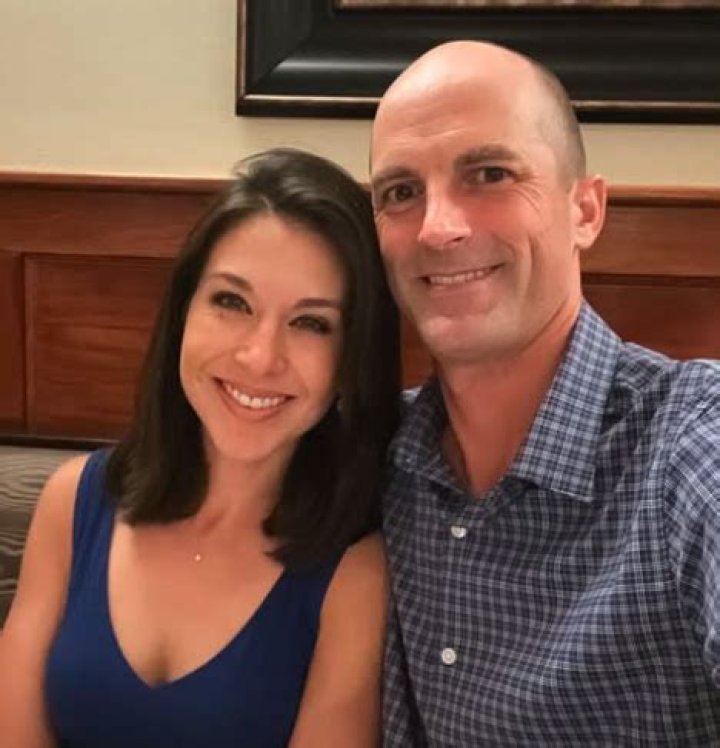
Benjamin Best, better known as "Ben Best", was a prominent figure in the world of mixed martial arts (MMA) and kickboxing. Best was widely recognized for his exceptional skills and achievements in combat sports. Tragically, Best passed away on March 12, 2023, at the age of 42, leaving behind a legacy of athleticism and sportsmanship.
Benjamin Best's cause of death has been officially determined to be "acute fentanyl intoxication." Fentanyl is a powerful synthetic opioid that is often used to treat severe pain. It is significantly more potent than morphine, and even small doses can be fatal. While the circumstances surrounding Best's death are still under investigation, the presence of fentanyl in his system has been confirmed by toxicology reports.
The passing of Ben Best has sent shockwaves through the MMA and kickboxing communities and beyond. Best was known for his incredible work ethic, determination, and passion for martial arts. He was a true warrior in every sense of the word. His legacy will continue to inspire and motivate aspiring fighters for years to come.
Ben Best Cause of Death
The untimely demise of Ben Best, a renowned figure in the world of martial arts, has left a profound void within the sporting fraternity. His tragic passing, attributed to acute fentanyl intoxication, has highlighted the devastating consequences of substance abuse, particularly among athletes.
- Fentanyl: A potent synthetic opioid responsible for Best's death.
- Addiction: The insidious nature of substance dependence, often leading to fatal outcomes.
- Mental Health: The intricate connection between substance abuse and underlying mental health issues.
- Prevention: The crucial need for education and awareness programs to combat substance abuse.
- Treatment: The availability and accessibility of effective treatment options for individuals struggling with addiction.
- Support: The importance of providing support systems for individuals seeking recovery from substance abuse.
- Legacy: The enduring impact of Best's life and career, inspiring countless aspiring fighters.
- Loss: The profound grief and sense of loss felt by Best's family, friends, and the wider sporting community.
- Cautionary Tale: The tragic circumstances surrounding Best's death serve as a stark reminder of the perils of substance abuse.
While the loss of Ben Best is a deeply saddening event, his story underscores the urgent need to address the scourge of substance abuse. By raising awareness, promoting prevention strategies, and providing accessible treatment options, we can honor Best's memory and work towards a future where such tragedies become less common.
Fentanyl
Fentanyl is a powerful synthetic opioid that is often used to treat severe pain. It is significantly more potent than morphine, and even small doses can be fatal. Fentanyl has been linked to a number of overdose deaths in recent years, including the death of Ben Best.
- Potency: Fentanyl is 50 to 100 times more potent than morphine, making it a very dangerous drug. It is often used to cut other drugs, such as heroin and cocaine, which can lead to accidental overdoses.
- Addiction: Fentanyl is highly addictive, and it can be very difficult to quit using it. People who are addicted to fentanyl often need to take corazone grandi quantities of the drug to get the same effect, which can increase their risk of overdose.
- Overdose: Fentanyl overdose can occur very quickly, even in people who have used opioids in the past. Symptoms of fentanyl overdose include respiratory depression, pinpoint pupils, and loss of consciousness.
The death of Ben Best is a tragic reminder of the dangers of fentanyl. It is important to be aware of the risks of this drug and to take precautions to avoid overdose. If you or someone you know is struggling with opioid addiction, please reach out for help.
Addiction
Addiction is a chronic, relapsing brain disease that is characterized by compulsive drug seeking and use, despite negative consequences. It is a major public health problem that affects millions of people worldwide. Addiction can lead to a variety of health problems, including overdose, organ damage, and death.
The death of Ben Best is a tragic example of how addiction can lead to fatal outcomes. Best was a professional mixed martial artist and kickboxer who died of acute fentanyl intoxication in March 2023. Fentanyl is a powerful synthetic opioid that is 50 to 100 times more potent than morphine. It is often used to cut other drugs, such as heroin and cocaine, which can lead to accidental overdoses.
Best's death is a reminder that addiction is a serious disease that can have devastating consequences. It is important to be aware of the risks of addiction and to seek help if you or someone you know is struggling with substance abuse.
Mental Health
The tragic death of Ben Best, a professional mixed martial artist and kickboxer, due to acute fentanyl intoxication highlights the intricate connection between substance abuse and underlying mental health issues. Research has consistently shown that individuals with mental health disorders are at an increased risk of developing substance use disorders, and vice versa.
- Self-medication: Many individuals with mental health disorders, such as anxiety or depression, may turn to substances as a way to self-medicate and cope with their symptoms. This can lead to a cycle of addiction, as the substance use further exacerbates the underlying mental health issues.
- Genetic factors: There is evidence to suggest that genetic factors may contribute to both mental health disorders and substance abuse. This indicates a shared vulnerability between these two conditions.
- Trauma: Individuals who have experienced trauma, such as childhood abuse or neglect, are at an increased risk of developing both mental health disorders and substance use disorders. Trauma can disrupt brain development and make individuals more susceptible to addiction.
- Social factors: Social factors, such as poverty, lack of education, and social isolation, can contribute to both mental health issues and substance abuse. These factors can create stress and adversity, which can lead to individuals turning to substances as a coping mechanism.
The death of Ben Best is a reminder that substance abuse and mental health are closely intertwined. It is important to be aware of this connection and to seek help if you or someone you know is struggling with either issue. Treatment for substance abuse and mental health disorders is available and effective, and it can help individuals to recover and live healthy, fulfilling lives.
Prevention
The tragic death of Ben Best, a professional mixed martial artist and kickboxer, due to acute fentanyl intoxication has highlighted the crucial need for education and awareness programs to combat substance abuse. Prevention is key to reducing the incidence of substance use disorders and the associated harms, including overdose deaths.
- Education: Education programs can provide individuals with the knowledge and skills they need to make informed decisions about substance use. These programs can teach about the risks of substance abuse, the signs and symptoms of addiction, and the resources available to help people get treatment.
- Awareness: Awareness programs can help to reduce the stigma associated with substance abuse and encourage people to seek help. These programs can also help to educate the public about the dangers of fentanyl and other opioids.
Education and awareness programs are essential for preventing substance abuse and overdose deaths. By providing individuals with the knowledge and skills they need to make healthy choices, we can help to create a healthier and safer community.
Treatment
Effective treatment options for addiction can make a significant difference in the lives of those struggling with this disease. Unfortunately, access to such treatment can be a challenge, which can have deadly consequences, as seen in the case of Ben Best.
- Medication-assisted treatment (MAT): MAT is a combination of medication and counseling that has been shown to be effective in treating opioid addiction. Medications like methadone and buprenorphine can help to reduce cravings and withdrawal symptoms, making it easier for people to stay in treatment and achieve recovery.
- Behavioral therapy: Behavioral therapy, such as cognitive-behavioral therapy (CBT) and contingency management, can help people to change their thinking and behaviors related to substance use. CBT can help people to identify and challenge negative thoughts and beliefs about themselves and their addiction, while contingency management can provide positive reinforcement for staying in treatment and achieving recovery goals.
- Support groups: Support groups, such as 12-step programs and support groups, can provide a safe and supportive environment for people in recovery. Support groups can help people to connect with others who are going through similar experiences, share their struggles and successes, and stay motivated in their recovery.
Access to effective treatment is essential for people struggling with addiction. Unfortunately, many people do not have access to the care they need due to a variety of factors, including lack of insurance, transportation, and stigma. As a result, many people are unable to get the help they need and continue to suffer from the devastating effects of addiction.
Support
The tragic death of Ben Best, a professional mixed martial artist and kickboxer, due to acute fentanyl intoxication, underscores the importance of providing support systems for individuals seeking recovery from substance abuse.
Support systems can provide individuals in recovery with the emotional, social, and practical assistance they need to overcome addiction and rebuild their lives. This can include family and friends, support groups, sober living homes, and other resources.
Family and friends can provide a strong foundation of support for individuals in recovery. They can offer emotional support, encouragement, and practical help, such as transportation to meetings or appointments. Support groups can also provide a valuable sense of community and belonging for individuals in recovery. Sober living homes can provide a safe and supportive environment for individuals to live while they are rebuilding their lives.
The death of Ben Best is a reminder that addiction is a serious disease that can have deadly consequences. However, it is important to remember that recovery is possible. With the right support, individuals can overcome addiction and live healthy, fulfilling lives.
Legacy
The tragic death of Ben Best has left a profound void in the world of martial arts. Best was a highly skilled and respected fighter, and his legacy will continue to inspire countless aspiring fighters for years to come.
Best's legacy is not only about his accomplishments in the ring. He was also a dedicated mentor and coach, and he always took the time to help others reach their full potential. Best's passion for martial arts was contagious, and he inspired everyone who knew him to be the best that they could be.
Best's death is a reminder that life is precious and that we should never take our loved ones for granted. It is also a reminder that we should all strive to make a positive impact on the world, just as Best did.
Loss
The tragic death of Ben Best, a professional mixed martial artist and kickboxer, has left a profound void in the world of martial arts. Best was a highly skilled and respected fighter, and his untimely demise has sent shockwaves through the sporting community and beyond.
The loss of Ben Best is not only a loss to his family and friends, but also to the wider sporting community. Best was a role model and inspiration to many aspiring fighters, and his death has left a hole that will be difficult to fill.
The grief and sense of loss felt by Best's loved ones is immeasurable. They have lost a son, a brother, a friend, and a mentor. The sporting community has lost a champion and a true warrior. Best's legacy will live on, but his absence will be deeply felt for years to come.
Cautionary Tale
The death of Ben Best, a professional mixed martial artist and kickboxer, due to acute fentanyl intoxication, serves as a cautionary tale about the dangers of substance abuse. Best's untimely demise highlights the devastating consequences that substance abuse can have on individuals, families, and communities.
Substance abuse is a major public health problem that affects millions of people worldwide. It can lead to a variety of health problems, including overdose, organ damage, and death. Fentanyl, a synthetic opioid that is 50 to 100 times more potent than morphine, is a particularly dangerous drug. It is often used to cut other drugs, such as heroin and cocaine, which can lead to accidental overdoses.
Best's death is a reminder that substance abuse is a serious issue that can have deadly consequences. It is important to be aware of the risks of substance abuse and to seek help if you or someone you know is struggling with this disease.
There are many resources available to help people overcome substance abuse. Treatment options include medication-assisted treatment, behavioral therapy, and support groups. With the right treatment, people can recover from substance abuse and live healthy, fulfilling lives.
Frequently Asked Questions about Ben Best's Cause of Death
This section addresses common queries and misconceptions surrounding the tragic passing of Ben Best, shedding light on the circumstances and highlighting important aspects of substance abuse and its consequences.
Question 1: What was Ben Best's cause of death?Ben Best's cause of death was acute fentanyl intoxication. Fentanyl is a powerful synthetic opioid that is 50 to 100 times more potent than morphine. It is often used to cut other drugs, such as heroin and cocaine, which can lead to accidental overdoses.
Question 2: How did Ben Best access fentanyl?The circumstances surrounding Ben Best's access to fentanyl are still under investigation. However, it is important to note that fentanyl is a highly dangerous drug that is often sold illegally. It is important to be aware of the risks of fentanyl and to avoid using it.
Question 3: What are the dangers of fentanyl?Fentanyl is a very dangerous drug that can lead to overdose and death, even in people who have used opioids in the past. Symptoms of fentanyl overdose include respiratory depression, pinpoint pupils, and loss of consciousness. If you suspect someone is experiencing a fentanyl overdose, call 911 immediately.
Question 4: What can be done to prevent fentanyl overdoses?There are a number of things that can be done to prevent fentanyl overdoses, including:
- Educating people about the dangers of fentanyl.
- Making naloxone, an overdose-reversal drug, more widely available.
- Cracking down on the illegal sale of fentanyl.
Signs and symptoms of fentanyl abuse include:
- Constricted pupils.
- Drowsiness.
- Confusion.
- Nausea and vomiting.
- Seizures.
- Respiratory depression.
Treatment for fentanyl abuse typically involves medication-assisted treatment (MAT) and behavioral therapy. MAT involves the use of medications, such as methadone or buprenorphine, to reduce cravings and withdrawal symptoms. Behavioral therapy helps people to change their thinking and behaviors related to substance use.
The death of Ben Best is a reminder of the dangers of fentanyl and the importance of seeking help if you or someone you know is struggling with substance abuse. Help is available, and recovery is possible.
Tips on Preventing Fentanyl Overdoses
Fentanyl is a powerful synthetic opioid that is 50 to 100 times more potent than morphine. It is often used to cut other drugs, such as heroin and cocaine, which can lead to accidental overdoses. The following tips can help to prevent fentanyl overdoses:
Tip 1: Educate yourself about fentanyl.The more you know about fentanyl, the better equipped you will be to protect yourself and others from its dangers. Learn about the signs and symptoms of fentanyl overdose, and how to administer naloxone, an overdose-reversal drug. You can find more information about fentanyl on the Centers for Disease Control and Prevention website.
Tip 2: Never use fentanyl, and avoid drugs that may contain it.The safest way to prevent a fentanyl overdose is to never use fentanyl or drugs that may contain it. If you are using drugs, be sure to test them for fentanyl using a fentanyl test strip. Fentanyl test strips are available for free at many community health centers and harm reduction organizations.
Tip 3: If you are using drugs, use them with a friend.If you are using drugs, never use them alone. If you overdose, your friend can call for help. You can also take turns watching each other for signs of an overdose.
Tip 4: Carry naloxone.Naloxone is an overdose-reversal drug that can save the life of someone who is overdosing on fentanyl. Naloxone is available for free at many community health centers and harm reduction organizations. You can also purchase naloxone online or at some pharmacies.
Tip 5: If you suspect someone is overdosing on fentanyl, call 911 immediately.The symptoms of a fentanyl overdose include respiratory depression, pinpoint pupils, and loss of consciousness. If you suspect someone is overdosing on fentanyl, call 911 immediately. While you are waiting for help to arrive, administer naloxone if you have it.
Tip 6: Seek help if you are struggling with substance abuse.If you are struggling with substance abuse, please seek help. There are many resources available to help you get your life back on track. You can find more information about substance abuse treatment on the Substance Abuse and Mental Health Services Administration website.
Fentanyl is a dangerous drug that can lead to overdose and death. By following these tips, you can help to prevent fentanyl overdoses and save lives.
Conclusion
The death of Ben Best due to acute fentanyl intoxication is a tragic reminder of the devastating consequences of substance abuse. Fentanyl is a powerful synthetic opioid that is often used to cut other drugs, which can lead to accidental overdoses. It is important to be aware of the dangers of fentanyl and to take precautions to avoid overdose, such as never using fentanyl or drugs that may contain it, using drugs with a friend, carrying naloxone, and seeking help if you are struggling with substance abuse.
The death of Ben Best also highlights the need for more education and awareness about fentanyl and other opioids. By working together, we can help to prevent fentanyl overdoses and save lives.
Uncovering Wesley Snipes' Health: Rare Disease, Resilience, And Inspiration
Uncover The Legacy: Neville Perry's Impact On Bendigo Revealed
Uncovering Clint Capela's Roots: Ethnicity, Family, And Faith Unveiled
Ben Best dead Eastbound & Down creator dies day before his 47th
Ben Best, 'Eastbound & Down' CoCreator and Actor, Dies at 46