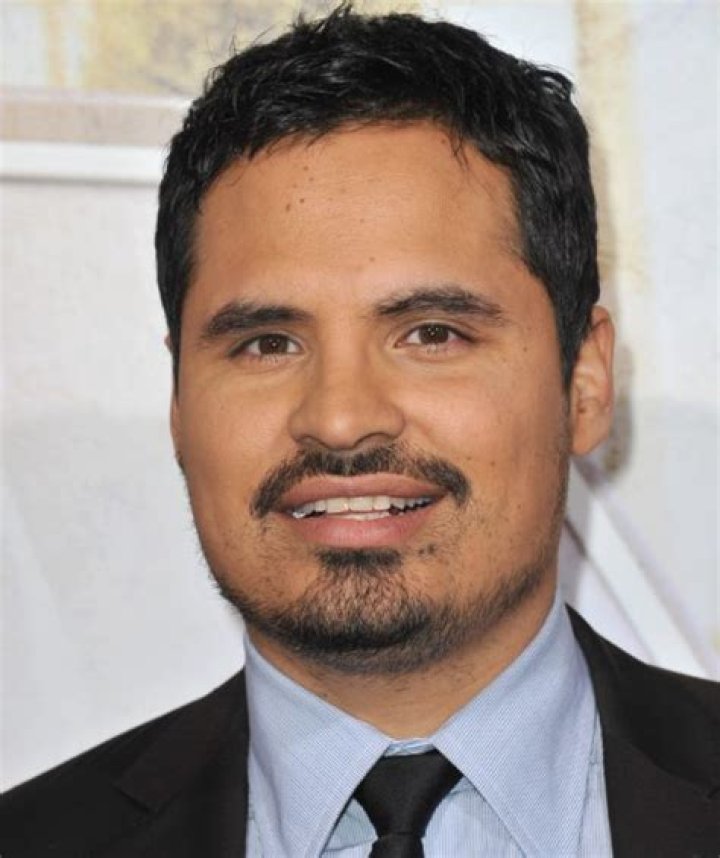
Harrison Ford's illness refers to the various health issues that the actor has faced throughout his life. Ford has been open about his struggles with anxiety and depression, and he has also spoken about his experiences with cancer and other medical conditions.
Ford's openness about his health has helped to raise awareness of these issues and has shown that it is possible to live a full and active life even with chronic illness. He has also been a vocal advocate for mental health awareness and has worked to reduce the stigma associated with mental illness.
Ford's story is an inspiration to many people who are struggling with their own health issues. It shows that it is possible to overcome challenges and live a happy and fulfilling life.
Harrison Ford Illness
Harrison Ford's illness encompasses a range of health issues that have impacted his life. These include:
- Anxiety
- Depression
- Cancer
- Back injuries
- Heart problems
- Alcoholism
- Drug addiction
- Post-traumatic stress disorder (PTSD)
- Aging
Ford's openness about his health struggles has helped to raise awareness of these issues and has shown that it is possible to live a full and active life even with chronic illness. He has also been a vocal advocate for mental health awareness and has worked to reduce the stigma associated with mental illness.
Ford's story is an inspiration to many people who are struggling with their own health issues. It shows that it is possible to overcome challenges and live a happy and fulfilling life.
Anxiety
Anxiety is a common mental health condition that can cause excessive worry, fear, and nervousness. It is often accompanied by physical symptoms such as sweating, heart palpitations, and shortness of breath.
- Generalized anxiety disorder (GAD) is a chronic condition that causes excessive worry and anxiety about a variety of topics. People with GAD often have difficulty controlling their worry and may experience physical symptoms such as fatigue, muscle tension, and headaches.
- Panic disorder is characterized by sudden, unexpected panic attacks. Panic attacks can be very frightening and can cause a variety of symptoms, including chest pain, shortness of breath, dizziness, and nausea.
- Social anxiety disorder (SAD) is a fear of being judged or embarrassed in social situations. People with SAD may avoid social situations altogether or may only participate in them with great anxiety and distress.
- Post-traumatic stress disorder (PTSD) is a anxiety disorder that can develop after exposure to a traumatic event. Symptoms of PTSD can include flashbacks, nightmares, avoidance of reminders of the trauma, and difficulty sleeping.
Harrison Ford has spoken openly about his struggles with anxiety. He has said that he has experienced anxiety since he was a child and that it has affected his personal and professional life. Ford has also said that he has found therapy and medication to be helpful in managing his anxiety.
Ford's openness about his anxiety has helped to raise awareness of this condition and has shown that it is possible to live a full and active life even with anxiety.
Depression
Depression is a serious mental illness that can cause a persistent feeling of sadness and loss of interest. It can interfere with a person's ability to work, study, sleep, eat, and enjoy life.
- Symptoms of depression include:
- Feeling sad or down most of the time
- Losing interest in activities that you used to enjoy
- Having trouble sleeping or sleeping too much
- Feeling tired or having low energy
- Having trouble concentrating or making decisions
- Feeling worthless or guilty
- Having thoughts of death or suicide
- Causes of depression are not fully understood, but it is thought to be caused by a combination of genetic, biological, environmental, and psychological factors.
- Treatment for depression typically involves psychotherapy, medication, or a combination of both.
- Harrison Ford has spoken openly about his struggles with depression. He has said that he has experienced depression since he was a young man and that it has affected his personal and professional life. Ford has also said that he has found therapy and medication to be helpful in managing his depression.
Ford's openness about his depression has helped to raise awareness of this condition and has shown that it is possible to live a full and active life even with depression.
Cancer
Cancer is a disease that occurs when cells in the body begin to grow out of control. It can affect any part of the body, and there are many different types of cancer.
Harrison Ford has been diagnosed with two types of cancer: prostate cancer and skin cancer.
Prostate cancer is the most common type of cancer among men in the United States. It is typically slow-growing, and most men who are diagnosed with prostate cancer will not die from the disease.
Skin cancer is the most common type of cancer overall. It is caused by exposure to ultraviolet (UV) radiation from the sun or from tanning beds.
Ford's diagnosis of cancer has been a reminder to the public of the importance of early detection and treatment. He has also been an advocate for cancer research and awareness.
Cancer is a serious disease, but it is important to remember that many types of cancer are treatable. Early detection and treatment can greatly improve the chances of survival.
Back injuries
Back injuries are a common problem that can affect people of all ages. They can range from minor strains and sprains to more serious injuries, such as herniated discs and spinal fractures.
- Causes of back injuries include:
- Overexertion
- Poor posture
- Lifting heavy objects
- Falls
- Sports injuries
- Car accidents
- Symptoms of back injuries can vary depending on the severity of the injury. They may include:
- Pain
- Stiffness
- Muscle spasms
- Numbness or tingling
- Weakness
- Treatment for back injuries depends on the severity of the injury. Treatment may include:
- Rest
- Ice
- Heat
- Physical therapy
- Medication
- Surgery
Harrison Ford has suffered from back injuries throughout his career. He has had several surgeries on his back, and he has also undergone physical therapy. Ford's back injuries have affected his ability to work, and he has had to take time off from filming on several occasions.
Back injuries can be a serious problem, but they can be managed with proper treatment. It is important to see a doctor if you are experiencing any back pain or other symptoms of a back injury.
Heart problems
Heart problems are a major health concern for people of all ages, including Harrison Ford. Heart disease is the leading cause of death in the United States, and it can affect people of all ages, races, and genders.
- Coronary artery disease (CAD) is the most common type of heart disease. CAD occurs when the arteries that supply blood to the heart become narrowed or blocked. This can lead to a heart attack.
- Heart failure occurs when the heart is unable to pump enough blood to meet the body's needs. This can lead to a number of symptoms, including shortness of breath, fatigue, and swelling in the legs.
- Arrhythmias are heart rhythm disorders. Arrhythmias can cause the heart to beat too fast, too slow, or irregularly. This can lead to a number of symptoms, including chest pain, dizziness, and fainting.
- Congenital heart defects are heart defects that are present at birth. Congenital heart defects can range from mild to severe, and they can affect the structure or function of the heart.
Harrison Ford has been open about his struggles with heart problems. In 2009, he underwent surgery to repair aortic aneurysm. An aortic aneurysm is a bulge in the aorta, the largest artery in the body. If an aortic aneurysm ruptures, it can be fatal.
Ford's openness about his heart problems has helped to raise awareness of this condition. It has also shown that it is possible to live a full and active life even with heart problems.
Alcoholism
Alcoholism, also known as alcohol use disorder (AUD), is a chronic disease that affects millions of people worldwide. It is characterized by an inability to control alcohol consumption, leading to a range of physical, mental, and social problems.
- Physical Effects of Alcoholism
Alcoholism can damage nearly every organ in the body, including the liver, heart, brain, and pancreas. It can lead to a range of health problems, including cirrhosis of the liver, heart disease, stroke, and cancer. Alcoholism can also weaken the immune system, making people more susceptible to infections.
- Mental Effects of Alcoholism
Alcoholism can also have a profound impact on mental health. It can lead to depression, anxiety, and other mental health disorders. Alcoholism can also worsen the symptoms of existing mental health conditions.
- Social Effects of Alcoholism
Alcoholism can also have a negative impact on social life. It can lead to problems at work or school, relationship problems, and financial problems. Alcoholism can also lead to social isolation.
- Treatment for Alcoholism
There is no cure for alcoholism, but it is a treatable disease. Treatment typically involves a combination of therapy, medication, and support groups. Treatment can help people to stop drinking and to rebuild their lives.
Harrison Ford has been open about his struggles with alcoholism. He has said that he has been sober since 1982. Ford's openness about his alcoholism has helped to raise awareness of this disease and has shown that it is possible to recover from alcoholism.
Drug addiction
Drug addiction is a serious disease that can have a devastating impact on individuals, families, and communities. It is characterized by an inability to control drug use, despite negative consequences. Drug addiction can lead to a range of health problems, including overdose, organ damage, and mental health disorders. It can also lead to social problems, such as job loss, homelessness, and crime.
Harrison Ford has been open about his struggles with drug addiction. He has said that he used cocaine and alcohol heavily in the 1970s and 1980s. Ford's drug addiction had a negative impact on his personal and professional life. He lost several jobs and relationships due to his drug use.
Ford eventually got sober in 1982. He has said that he has been sober ever since. Ford's openness about his drug addiction has helped to raise awareness of this disease. It has also shown that it is possible to recover from drug addiction.
Drug addiction is a serious disease, but it is important to remember that it is treatable. There is a range of effective treatments available, including therapy, medication, and support groups. Treatment can help people to stop using drugs and to rebuild their lives.
Post-traumatic stress disorder (PTSD)
Post-traumatic stress disorder (PTSD) is a mental health condition that can develop after exposure to a traumatic event. Symptoms of PTSD can include flashbacks, nightmares, avoidance of reminders of the trauma, and difficulty sleeping. PTSD can be a debilitating condition, and it can interfere with a person's ability to work, study, and maintain relationships.
Harrison Ford has spoken openly about his struggles with PTSD. He has said that he developed PTSD after a plane crash in 2015. Ford's PTSD symptoms included flashbacks, nightmares, and avoidance of flying. Ford's openness about his PTSD has helped to raise awareness of this condition and has shown that it is possible to live a full and active life even with PTSD.
PTSD is a serious condition, but it is treatable. There are a variety of effective treatments available, including therapy, medication, and support groups. Treatment can help people to manage their PTSD symptoms and to live full and productive lives.
Aging
Aging is a natural process that affects everyone. As we age, our bodies change and we may become more susceptible to certain illnesses and diseases. Harrison Ford is no exception to this rule. He has experienced a number of health problems in recent years, including back injuries, heart problems, and cancer. While it is impossible to say for sure whether these illnesses are directly related to his age, it is certainly possible that they are at least partially due to the aging process.
- Facet 1: Physical Changes
As we age, our bodies undergo a number of physical changes. These changes can include a decrease in muscle mass, a loss of bone density, and a decline in immune function. These changes can make us more susceptible to injuries and illnesses.
- Facet 2: Cognitive Changes
As we age, we may also experience cognitive changes. These changes can include a decline in memory, attention, and executive function. These changes can make it more difficult to manage our health and to make decisions about our care.
- Facet 3: Social Changes
As we age, our social circumstances may also change. We may retire from work, lose friends and family members, and experience a decline in our social support network. These changes can make us more vulnerable to isolation and loneliness, which can have a negative impact on our health.
- Facet 4: Psychological Changes
As we age, we may also experience psychological changes. These changes can include a decline in mood, an increase in anxiety, and a loss of interest in activities that we used to enjoy. These changes can make it difficult to maintain a positive outlook on life and to cope with the challenges of aging.
The aging process is a complex one that can affect our health in a number of ways. Harrison Ford's experience with illness is a reminder that aging is a natural process that everyone must face. It is important to be aware of the changes that can occur as we age and to take steps to stay healthy and active.
FAQs
This section addresses frequently asked questions about Harrison Ford's illness, providing clear and informative answers to common concerns and misconceptions.
Question 1: What health issues has Harrison Ford faced?
Harrison Ford has been open about his struggles with various health issues, including prostate cancer, skin cancer, back injuries, heart problems, alcoholism, drug addiction, and anxiety. He has also experienced the effects of aging, such as physical changes, cognitive decline, and psychological challenges.
Question 2: How have Ford's health issues impacted his life?
Ford's health issues have affected his personal and professional life. He has had to take time off from filming on several occasions due to back injuries and other health problems. Additionally, his struggles with mental health and addiction have affected his relationships and overall well-being.
Question 3: What has Ford's response to his health challenges been?
Ford has been candid about his health struggles, using his platform to raise awareness and reduce stigma. He credits therapy, medication, and a strong support system for helping him manage his various health conditions.
Question 4: What lessons can be learned from Ford's journey with illness?
Ford's story highlights the importance of seeking help when facing health challenges, regardless of age or stature. It also emphasizes the power of resilience and perseverance in overcoming obstacles.
Question 5: What is the prognosis for Ford's health?
Ford's prognosis varies depending on the specific health issue. However, he has demonstrated a strong will to live and has actively sought treatment for his various conditions. With continued care and support, he is likely to continue living a full and active life.
Question 6: How can we support others facing health challenges?
Supporting others with health challenges involves offering empathy, understanding, and practical assistance. This can include listening to their concerns, helping with daily tasks, and encouraging them to seek professional help when necessary.
In conclusion, Harrison Ford's experiences with illness serve as a reminder of the challenges and resilience of the human spirit. By sharing his story, he has inspired others to seek help, reduce stigma, and live their lives to the fullest despite health challenges.
Transition: Harrison Ford's illness has been a topic of public interest, and his openness about his health struggles has raised awareness and fostered empathy. In the following sections, we will delve deeper into the specific health conditions that have affected Ford and explore their impact on his life and career.
Tips for Managing Health Challenges Inspired by Harrison Ford's Illness
Harrison Ford's openness about his health struggles provides valuable insights and lessons for managing health challenges. Here are some tips inspired by his experiences:
Tip 1: Prioritize Mental Health
Ford has been vocal about his struggles with anxiety and depression. Seeking professional help, including therapy and medication, has been crucial for him. Prioritizing mental health is vital for overall well-being and navigating health challenges.
Tip 2: Embrace a Support System
Ford credits his support system, including family and friends, for helping him through his health journeys. Building a strong network of people who provide emotional support, practical assistance, and encouragement can make a significant difference.
Tip 3: Seek Professional Medical Care
Timely diagnosis and treatment are essential for managing health conditions effectively. Ford's experience with prostate cancer and his decision to undergo surgery highlight the importance of seeking professional medical care and adhering to recommended treatments.
Tip 4: Maintain a Positive Attitude
Despite his health challenges, Ford has maintained a positive outlook on life. Cultivating a positive mindset, focusing on gratitude, and engaging in activities that bring joy can help individuals cope with illness and promote resilience.
Tip 5: Be Patient and Persistent
Managing health conditions often requires patience and persistence. setbacks and challenges are a part of the journey. Ford's story demonstrates the importance of not giving up, continuing to seek support, and persevering through difficult times.
Summary: By following these tips, individuals can learn from Harrison Ford's experiences, prioritize their health and well-being, and navigate health challenges with resilience and a positive mindset.
Transition: Harrison Ford's health journey serves as an inspiration for embracing challenges and living a fulfilling life despite setbacks. In the following sections, we will delve into specific health conditions that have affected Ford and explore their implications and management strategies.
Conclusion
Harrison Ford's journey with illness has shed light on the challenges faced by individuals struggling with various health conditions. His openness and resilience inspire others to prioritize their health, seek support, and maintain a positive outlook.
The article explored the impact of anxiety, depression, cancer, and other health issues on Ford's life and career. It emphasized the importance of early detection, timely treatment, and the role of a strong support system in managing health challenges. Ford's story serves as a reminder that despite setbacks, individuals can live full and meaningful lives with chronic conditions.
As we strive to improve healthcare and reduce stigma surrounding illness, Harrison Ford's experiences continue to inspire and motivate. His advocacy for mental health awareness and his willingness to share his journey empower others to seek help, embrace their challenges, and live their lives to the fullest.
Uncovering The Secrets Of Lacey Chabert's Measurements
Unveiling Tyler Wright's Inspiring Journey: Surfing, Health, And Environmental Advocacy
WWE Star Zelina Vega's Intriguing Marriage: Uncovering Hidden Truths And Profound Insights
Harrison Ford doesn't care what people think 'I know who the f I am
Harrison Ford’s Life History, Nominations, and Achievements HeatFeed