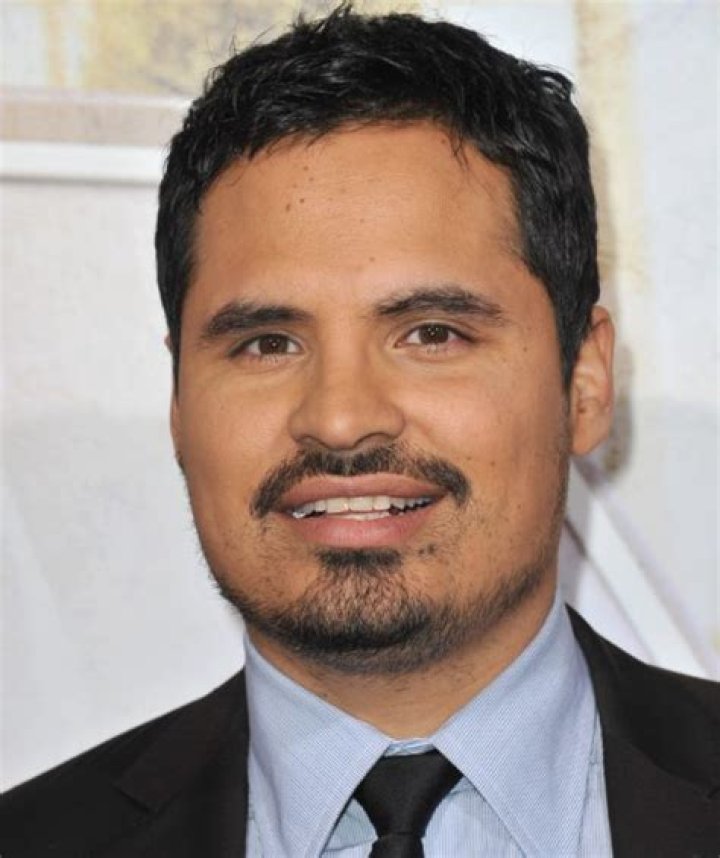
The term "what era is your face from" is a popular online quiz that uses facial recognition technology to guess the user's age and ethnicity. The quiz has become a viral sensation, with millions of people taking it and sharing their results on social media.
The quiz is based on a database of thousands of images of people from different ages and ethnicities. When a user takes the quiz, their photo is compared to the images in the database and the algorithm guesses their age and ethnicity. The quiz is not always accurate, but it is often surprisingly close, and it can be a fun way to learn more about yourself.
The quiz has also raised some concerns about privacy and the use of facial recognition technology. Some people worry that the quiz could be used to collect data on people without their consent. Others worry that the quiz could be used to discriminate against people based on their age or ethnicity.
Despite these concerns, the quiz remains popular, and it is likely to continue to be a viral sensation for some time to come.
What Era Is Your Face From?
The "what era is your face from" quiz is a popular online phenomenon that uses facial recognition technology to guess the user's age and ethnicity. The quiz has become a viral sensation, with millions of people taking it and sharing their results on social media. However, beyond the fun and entertainment, the quiz also raises important questions about privacy, bias, and the use of facial recognition technology.
- Technology: Uses facial recognition algorithms to analyze facial features.
- Database: Relies on a vast database of images to make comparisons.
- Accuracy: Can be surprisingly accurate, but not always reliable.
- Privacy: Raises concerns about the collection and use of facial data.
- Bias: Algorithm's accuracy may vary based on factors like race and gender.
- Entertainment: Provides a fun and engaging way to learn about oneself.
- Social media: Has become a popular trend on platforms like TikTok and Instagram.
- Cultural impact: Reflects our fascination with youth and beauty standards.
- Ethical concerns: Raises questions about the responsible use of facial recognition technology.
- Future implications: May shape the future of AI-powered facial analysis and its applications.
These key aspects highlight the multifaceted nature of the "what era is your face from" quiz. It is not just a simple entertainment tool but also a reflection of our evolving relationship with technology and the ethical questions that come with it. As facial recognition technology continues to advance, it is important to consider the implications and ensure that it is used in a responsible and equitable manner.
Technology
The "what era is your face from" quiz relies heavily on facial recognition technology to analyze facial features and make its age and ethnicity guesses. Facial recognition algorithms are computer programs that can identify and distinguish human faces by analyzing their unique characteristics, such as the shape of the face, the position of the eyes, nose, and mouth, and the texture of the skin.
- Component 1: Image Processing
Facial recognition algorithms start by processing the input image to extract relevant facial features. This involves converting the image to grayscale, detecting edges, and identifying facial landmarks. - Component 2: Feature Extraction
Once the facial features are identified, the algorithm extracts numerical data that represents the unique characteristics of the face. These features may include the distance between the eyes, the shape of the nose, and the texture of the skin. - Component 3: Database Matching
The extracted facial features are then compared to a database of known faces. The algorithm calculates the similarity between the input face and each face in the database, and outputs the closest match. - Component 4: Age and Ethnicity Estimation
In the case of the "what era is your face from" quiz, the algorithm uses the matching results to estimate the age and ethnicity of the input face. This is done by comparing the facial features to those of people in the database who have known ages and ethnicities.
The accuracy of facial recognition algorithms depends on a number of factors, including the quality of the input image, the size and diversity of the database, and the sophistication of the algorithm itself. However, in general, facial recognition algorithms have become increasingly accurate over the past few years, and they are now used in a wide range of applications, including security, law enforcement, and marketing.
Database
The "what era is your face from" quiz relies on a database of images to make comparisons and guess the user's age and ethnicity. The accuracy and diversity of this database are crucial for the quiz's performance.
- Size and Diversity: The database used by the quiz contains a large number of images of people from different ages, ethnicities, and backgrounds. This diversity is important to ensure that the quiz can make accurate guesses for a wide range of users.
- Image Quality: The quality of the images in the database is also important. High-quality images with clear facial features will produce more accurate results than low-quality images with blurry or obscured features.
- Representative Sample: The database should also be a representative sample of the population. If the database is biased towards a particular age group or ethnicity, the quiz will be less accurate for users who are not represented in the database.
The database used by the "what era is your face from" quiz is constantly being updated and expanded to improve its accuracy and diversity. This ensures that the quiz can continue to provide accurate and entertaining results for users of all ages and backgrounds.
Accuracy
The "what era is your face from" quiz uses facial recognition technology to guess the user's age and ethnicity. While the quiz can be surprisingly accurate in some cases, it is important to note that it is not always reliable.
- Factors affecting accuracy: The accuracy of the quiz can be affected by a number of factors, including the quality of the user's photo, the size and diversity of the database used to train the algorithm, and the algorithm itself.
- Limitations of facial recognition technology: Facial recognition technology is still a developing field, and there are a number of limitations that can affect its accuracy. For example, facial recognition algorithms can be biased towards certain demographic groups, and they can be fooled by factors such as makeup, lighting, and facial expressions.
- Potential for error: Due to the limitations of facial recognition technology, there is always the potential for error when using the "what era is your face from" quiz. The quiz may not be able to accurately guess the user's age or ethnicity, and it may even misidentify the user's gender.
It is important to keep these limitations in mind when using the "what era is your face from" quiz. While the quiz can be a fun and entertaining way to learn more about yourself, it is important to remember that it is not a perfect science.
Privacy
The "what era is your face from" quiz raises concerns about the collection and use of facial data. Facial recognition technology is a powerful tool that can be used to identify and track individuals. This technology has the potential to be used for a variety of purposes, including law enforcement, security, and marketing. However, there are also concerns about the potential for facial recognition technology to be used for surveillance and discrimination.
The "what era is your face from" quiz is just one example of how facial recognition technology is being used today. This quiz uses facial recognition to guess the user's age and ethnicity. While the quiz is meant to be fun and harmless, it also highlights the potential for facial recognition technology to be used to collect and store personal data without the user's consent.
There are a number of laws and regulations in place to protect people's privacy. However, these laws and regulations do not always keep pace with the rapid development of facial recognition technology. As a result, there is a growing need for public awareness about the potential privacy risks of facial recognition technology.
It is important to be aware of the potential privacy risks of facial recognition technology before using it. Users should only use facial recognition technology from reputable companies that have strong privacy policies. Users should also be aware of the risks of sharing their facial data online.
Bias
The "what era is your face from" quiz uses facial recognition technology to guess the user's age and ethnicity. However, this technology is not always accurate, and its accuracy can vary based on factors such as race and gender. This is because facial recognition algorithms are trained on data sets that are often biased towards certain demographic groups.
- Data Set Bias: Facial recognition algorithms are trained on data sets that are often biased towards certain demographic groups. This means that the algorithm may be more accurate at recognizing faces from these demographic groups than faces from other demographic groups.
- Algorithm Design: The design of facial recognition algorithms can also contribute to bias. For example, some algorithms may be more sensitive to certain facial features than others, which can lead to inaccurate results for people with those features.
- Impact on "what era is your face from": The bias in facial recognition algorithms can impact the accuracy of the "what era is your face from" quiz. For example, the quiz may be more likely to guess that a person of color is older than they actually are, or that a woman is younger than she actually is.
The bias in facial recognition algorithms is a serious concern, as it can lead to inaccurate and unfair results. It is important to be aware of this bias when using facial recognition technology, and to take steps to mitigate its effects.
Entertainment
The "what era is your face from" quiz has become a viral sensation, with millions of people taking it and sharing their results on social media. This widespread popularity can be attributed to the quiz's entertainment value and its ability to provide users with a fun and engaging way to learn about themselves.
- Facet 1: Self-Discovery and Identity Exploration
The quiz encourages users to reflect on their own appearance and identity. By seeing how the algorithm interprets their facial features, users can gain insights into how others might perceive them and challenge their own self-perceptions. - Facet 2: Social Media Engagement and Sharing
The quiz's shareability on social media platforms has contributed to its viral success. Users enjoy sharing their results with friends and family, sparking conversations and comparisons about appearance and age. - Facet 3: Historical and Cultural Context
The quiz also provides a lighthearted way to explore historical and cultural influences on beauty standards. By showing users how their faces might fit into different eras, the quiz prompts them to consider the evolving nature of aesthetics and societal norms. - Facet 4: Entertainment and Distraction
Ultimately, the quiz serves as a source of entertainment and distraction. It offers a quick and easy way to pass time, reduce stress, and engage in a harmless and enjoyable activity.
Overall, the "what era is your face from" quiz's entertainment value is intertwined with its ability to facilitate self-discovery, foster social engagement, and provide insights into historical and cultural contexts. It is this combination of entertainment and personal exploration that has made the quiz so popular and appealing to users worldwide.
Social media
The rise of social media platforms like TikTok and Instagram has played a significant role in the popularity of the "what era is your face from" quiz. Social media provides a convenient and accessible platform for users to share their results and engage with others who have taken the quiz.
- Facet 1: Content Sharing and Virality
Social media allows users to easily share their quiz results with their followers, contributing to the quiz's viral spread. The shareable nature of the quiz encourages participation and generates buzz, leading to a wider reach and increased popularity. - Facet 2: Community Building and Engagement
Social media platforms facilitate the formation of online communities centered around shared interests. The "what era is your face from" quiz has become a common topic of discussion within these communities, fostering a sense of belonging and encouraging users to engage with the quiz and its results. - Facet 3: Cultural Impact and Meme Culture
The quiz has become a cultural phenomenon, spawning numerous memes and inspiring creative content. Social media has played a crucial role in disseminating these memes and amplifying the quiz's impact beyond its initial user base. - Facet 4: Influencer Marketing and Brand Partnerships
Social media influencers have embraced the "what era is your face from" quiz, utilizing their platforms to promote the quiz and collaborate with brands. This has further contributed to the quiz's popularity and has introduced it to new audiences.
Overall, the integration of the "what era is your face from" quiz with social media platforms has been mutually beneficial. Social media has provided the quiz with a vast and engaged user base, while the quiz has generated content and engagement for social media platforms. The combination of these factors has fueled the quiz's popularity and transformed it into a global phenomenon.
Cultural impact
The "what era is your face from" quiz has become a cultural phenomenon, reflecting our society's fascination with youth and beauty standards. This quiz taps into a deep-seated desire to maintain a youthful appearance and to conform to societal norms of beauty.
The quiz's popularity highlights the cultural significance placed on physical appearance and the pressure individuals feel to meet certain aesthetic ideals. It reinforces the idea that youth and beauty are highly valued and sought after, often at the expense of other qualities and attributes.
This cultural fascination with youth and beauty standards has several implications. It can lead to unrealistic expectations and negative self-perceptions, particularly among young people who may feel pressure to conform to narrow beauty ideals. It can also perpetuate ageism and discrimination against older individuals, who may be marginalized or devalued based on their appearance.
Understanding the cultural impact of the "what era is your face from" quiz is crucial for recognizing and addressing the societal pressures and biases that shape our perceptions of beauty and aging. It encourages critical reflection on the importance of valuing diversity, inclusivity, and inner qualities over superficial appearances.
Ethical concerns
The "what era is your face from" quiz raises ethical concerns about the responsible use of facial recognition technology. Facial recognition technology has the potential to be used for a variety of purposes, including law enforcement, security, and marketing. However, there are also concerns about the potential for facial recognition technology to be used for surveillance and discrimination.
- Privacy concerns: Facial recognition technology can be used to track and identify individuals without their consent. This raises concerns about the privacy of individuals and the potential for facial recognition technology to be used for surveillance.
- Bias concerns: Facial recognition algorithms are not always accurate, and they can be biased towards certain demographic groups. This can lead to unfair and discriminatory outcomes.
- Lack of regulation: There is currently no comprehensive regulation of facial recognition technology. This raises concerns about the potential for facial recognition technology to be used for harmful purposes.
- Potential for misuse: Facial recognition technology could be used to target individuals for harassment or discrimination. It could also be used to create deepfakes or other forms of misinformation.
The "what era is your face from" quiz is a fun and harmless application of facial recognition technology. However, it is important to be aware of the ethical concerns that surround this technology. As facial recognition technology becomes more sophisticated and widely used, it is important to ensure that it is used responsibly and ethically.
Future implications
The "what era is your face from" quiz is a fun and engaging way to learn about facial recognition technology and its potential applications. However, this quiz also highlights the importance of considering the future implications of AI-powered facial analysis and its applications.
As facial recognition technology continues to develop, it is likely to have a major impact on our lives. This technology could be used to improve security, enhance customer service, and even diagnose diseases. However, it is also important to be aware of the potential risks of facial recognition technology, such as privacy concerns and the potential for bias and discrimination.
The "what era is your face from" quiz can help us to think about the future of facial recognition technology and its applications. By understanding the potential benefits and risks of this technology, we can help to ensure that it is used in a responsible and ethical manner.
Here are some specific examples of how facial recognition technology could be used in the future:
- Security: Facial recognition technology could be used to improve security at airports, train stations, and other public places. This technology could help to identify criminals and prevent terrorist attacks.
- Customer service: Facial recognition technology could be used to personalize customer service experiences. For example, this technology could be used to identify customers as they enter a store and provide them with personalized recommendations.
- Healthcare: Facial recognition technology could be used to diagnose diseases. For example, this technology could be used to identify patients with Alzheimer's disease or Parkinson's disease.
These are just a few examples of the potential applications of facial recognition technology. As this technology continues to develop, it is likely to have a major impact on our lives. It is important to be aware of the potential benefits and risks of this technology so that we can ensure that it is used in a responsible and ethical manner.
Frequently Asked Questions (FAQs) about "What Era Is Your Face From"
This section addresses common questions and concerns regarding the "what era is your face from" quiz, providing informative answers to enhance understanding and address misconceptions.
Question 1: How accurate is the quiz?
The accuracy of the quiz can vary depending on several factors, including the quality of the user's photo, the diversity of the database used to train the algorithm, and the algorithm itself. While the quiz can provide entertaining results, it is essential to recognize that it is not a precise scientific tool and may not accurately reflect an individual's actual age or ethnicity.
Question 2: What technology powers the quiz?
The quiz utilizes facial recognition technology, which analyzes facial features to identify and distinguish human faces. Algorithms are employed to extract unique characteristics from the user's photo and compare them to a database of known faces. Based on these comparisons, the algorithm estimates the user's age and ethnicity.
Question 3: Are there privacy concerns associated with the quiz?
The quiz requires users to upload a photo of themselves, which raises privacy considerations. It is important to note that the quiz's privacy policy should be carefully reviewed to understand how the collected data will be used and stored. Users should only participate in the quiz if they are comfortable with the potential implications of sharing their facial data.
Question 4: Can the quiz results be biased?
Yes, the quiz results can be biased due to limitations in facial recognition technology. Algorithms are trained on data sets that may not fully represent the diversity of the population, leading to potential inaccuracies in recognizing faces from certain demographic groups. These biases should be considered when interpreting the results.
Question 5: What are the ethical implications of the quiz?
The use of facial recognition technology raises ethical concerns, particularly regarding privacy, surveillance, and potential discrimination. It is crucial to approach the quiz with an understanding of these ethical implications and to use it responsibly, avoiding any actions that could compromise the privacy or well-being of others.
Question 6: What are the potential benefits of the quiz?
Despite the limitations and concerns, the quiz can provide entertainment and a lighthearted way to engage with friends and family. It can also spark discussions about facial recognition technology, privacy, and societal norms surrounding beauty and aging. By fostering awareness and encouraging critical thinking, the quiz can contribute to a better understanding of these important issues.
In conclusion, the "what era is your face from" quiz offers an entertaining experience while highlighting the capabilities and limitations of facial recognition technology. By approaching the quiz with an informed perspective, users can enjoy its entertainment value while also considering the associated implications and ethical considerations.
Transition to the next article section: Exploring the broader societal and cultural impact of the "what era is your face from" quiz and facial recognition technology.
Tips for Using the "What Era Is Your Face From" Quiz
The "what era is your face from" quiz offers an entertaining way to engage with facial recognition technology. By following these tips, you can maximize your enjoyment and use the quiz responsibly:
Tip 1: Use High-Quality Photos
The quality of your photo significantly impacts the quiz's accuracy. Ensure your photo is well-lit, in focus, and taken from afacing angle. Avoid using heavily filtered or edited photos, as they can interfere with the facial recognition algorithm.
Tip 2: Understand the Limitations
Remember that the quiz is not a scientific tool and its results may not be entirely accurate. Facial recognition technology has limitations, particularly in recognizing faces from certain demographic groups. Be aware of these limitations and interpret the results with a grain of salt.
Tip 3: Respect Privacy
The quiz requires you to upload a photo of yourself. Be mindful of the privacy implications and only participate if you are comfortable sharing your facial data. Review the quiz's privacy policy to understand how your data will be used.
Tip 4: Avoid Bias
Facial recognition algorithms can be biased towards certain demographic groups. Be critical of the results and avoid making assumptions or judgments based solely on the quiz's output.
Tip 5: Use Responsibly
The quiz is intended for entertainment purposes. Avoid using the results to make serious decisions or to discriminate against others. Respect the privacy and dignity of others by not sharing their quiz results without their consent.
Tip 6: Engage in Discussions
The quiz can spark interesting discussions about facial recognition technology, privacy, and beauty standards. Use the quiz as an opportunity to learn more about these topics and to share your perspectives respectfully.
Tip 7: Report Concerns
If you encounter any issues or concerns while using the quiz, such as inaccurate results or privacy violations, report them to the quiz creators or relevant authorities. Your feedback can help improve the quiz and protect users' privacy.
Summary: By following these tips, you can enjoy the "what era is your face from" quiz responsibly, while being mindful of its limitations and potential implications. Use the quiz as a fun and engaging way to learn about facial recognition technology and to spark meaningful discussions.
Transition to the article's conclusion: Emphasizing the responsible use of facial recognition technology and the importance of continuous dialogue about its ethical implications.
Conclusion
The "what era is your face from" quiz has captured the public's imagination, offering a glimpse into the capabilities and limitations of facial recognition technology. While the quiz provides entertainment, it also raises profound questions about privacy, bias, and the ethical implications of this technology.
As facial recognition technology continues to advance, it is crucial to engage in ongoing dialogue about its responsible use. We must ensure that this technology is deployed in a manner that respects individual rights, promotes inclusivity, and benefits society as a whole. The "what era is your face from" quiz serves as a reminder of the importance of striking a balance between innovation and ethical considerations.
Unveiling The Gaming Haven: Discover The Enchanting World Of "Skip The Games Toledo OH"
Unveiling The Enigmatic "Tanya Tehanna And Baby Alien": Discoveries And Insights
Untangling The Layne Norton And Holly Baxter Divorce: Uncovering Hidden Truths