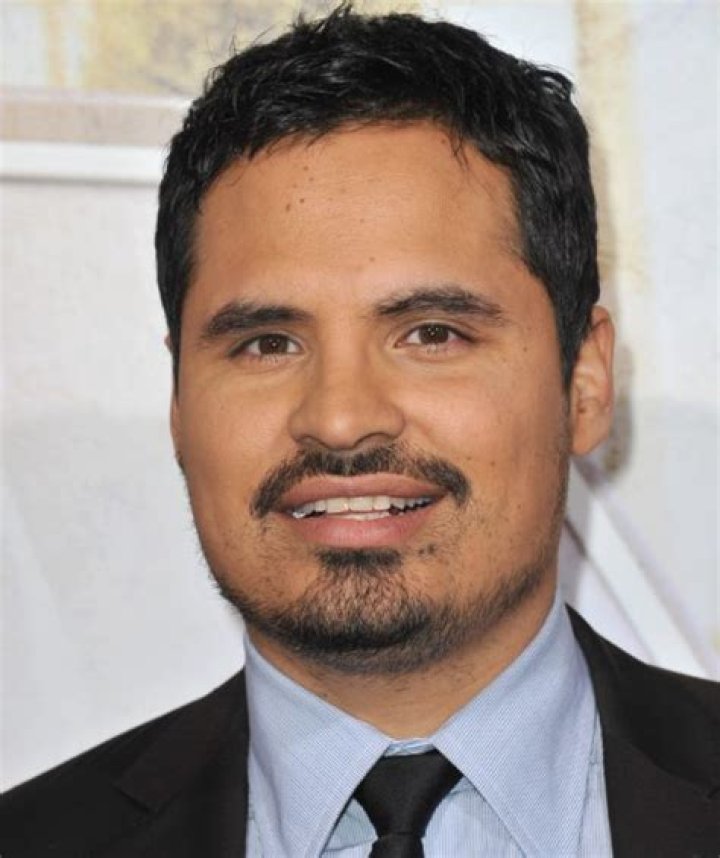
Michael Cera is a Canadian actor, comedian, and musician. He is best known for his roles as George Michael Bluth in the sitcom Arrested Development and Evan in the film Superbad. Cera has also appeared in the films Juno, Paper Heart, Year One, and Scott Pilgrim vs. the World.
Cera's religion has been a subject of speculation, as he has never publicly discussed his beliefs. However, there is some evidence to suggest that he may be Jewish. In an interview with The New York Times, Cera said that he grew up in a "Jewish-ish" household. He also said that he attended Hebrew school for a time, but that he "never really got into it." Despite this, Cera has said that he still considers himself to be Jewish.
Whether or not Cera is Jewish is ultimately a matter of personal interpretation. However, the evidence suggests that he may identify with the Jewish faith. This is significant because it could provide insight into his personal life and values.
Is Michael Cera Jewish? Religion, Faith, and Belief
Michael Cera is a Canadian actor, comedian, and musician. He is best known for his roles as George Michael Bluth in the sitcom Arrested Development and Evan in the film Superbad. Cera's religion has been a subject of speculation, as he has never publicly discussed his beliefs. However, there is some evidence to suggest that he may be Jewish.
- Jewish upbringing
- Hebrew school attendance
- Jewish identity
- Personal interpretation
- Public speculation
- Cultural influences
- Values and beliefs
- Privacy concerns
- Interfaith dialogue
Whether or not Cera is Jewish is ultimately a matter of personal interpretation. However, the evidence suggests that he may identify with the Jewish faith. This is significant because it could provide insight into his personal life and values. Additionally, it could spark conversations about the importance of religious freedom, tolerance, and understanding.
Jewish upbringing
A Jewish upbringing is one in which a child is raised in the Jewish faith and culture. This may include attending Hebrew school, celebrating Jewish holidays, and learning about Jewish history and traditions. A Jewish upbringing can have a significant impact on a person's identity, values, and beliefs.
- Religious education: Jewish children typically attend Hebrew school to learn about the Torah, the Talmud, and other Jewish texts. This education can provide them with a strong foundation in Jewish thought and practice.
- Cultural immersion: Jewish children are often raised in homes where Jewish culture is celebrated. This may include eating traditional Jewish foods, attending Jewish holiday services, and participating in Jewish community events.
- Value system: Jewish values such as justice, compassion, and charity are often instilled in children from a young age. These values can shape a person's character and guide their actions throughout their life.
- Identity formation: A Jewish upbringing can help children to develop a strong sense of Jewish identity. This can be important for their self-esteem and their sense of belonging to a community.
Michael Cera has said that he grew up in a "Jewish-ish" household. He attended Hebrew school for a time, but he "never really got into it." Despite this, Cera has said that he still considers himself to be Jewish. It is possible that Cera's Jewish upbringing has had a significant impact on his identity, values, and beliefs, even though he may not be a practicing Jew.
Hebrew school attendance
Hebrew school attendance is a significant factor in understanding Michael Cera's religion, faith, and beliefs. Hebrew school is a Jewish educational institution that teaches children about the Torah, the Talmud, and other Jewish texts. Attending Hebrew school can provide a strong foundation in Jewish thought and practice.
- Religious education: Hebrew school provides children with a comprehensive education in Judaism. This includes learning about Jewish history, culture, and values. Students also learn to read and write Hebrew, which is the language of the Torah and other Jewish texts.
- Cultural immersion: Hebrew school is often a place where children can socialize with other Jewish children and learn about Jewish culture. This can help them to develop a strong sense of Jewish identity.
- Community involvement: Hebrew school is often affiliated with a synagogue or other Jewish community organization. This can provide children with opportunities to participate in Jewish community events and get involved in Jewish youth groups.
- Spiritual development: Hebrew school can help children to develop their spiritual side. This may include learning about Jewish meditation and prayer practices, as well as studying Jewish ethical teachings.
Michael Cera has said that he attended Hebrew school for a time, but that he "never really got into it." Despite this, Cera has said that he still considers himself to be Jewish. It is possible that Cera's attendance at Hebrew school, even though it was brief, has had some impact on his Jewish identity and beliefs.
Jewish identity
Jewish identity is a complex and multifaceted construct. It can be based on religion, ethnicity, culture, or a combination of all three. For some people, Jewish identity is primarily a matter of religious faith. For others, it is more a matter of cultural heritage or ethnic affiliation. Still others may identify as Jewish for a variety of reasons, including a sense of community, shared values, or historical connection.
Michael Cera has said that he considers himself to be Jewish, even though he has also said that he "never really got into" Hebrew school. This suggests that Cera's Jewish identity is not based solely on his religious beliefs or practices. It is possible that Cera identifies as Jewish because of his cultural heritage, his family background, or his sense of community with other Jewish people.
Cera's Jewish identity is significant because it could provide insight into his personal life and values. Additionally, it could spark conversations about the importance of religious freedom, tolerance, and understanding.
Personal interpretation
Personal interpretation plays a significant role in shaping one's religion, faith, and beliefs. This is especially true in cases where there is no clear or definitive answer, as is the case with Michael Cera's Jewish identity.
- Cultural influences: Cera's upbringing in a "Jewish-ish" household and his attendance at Hebrew school, albeit briefly, have likely influenced his understanding of Judaism and his own Jewish identity.
- Values and beliefs: Cera's personal values and beliefs, such as his emphasis on compassion and social justice, may align with Jewish teachings and traditions, shaping his interpretation of his own Jewishness.
- Privacy concerns: Cera's decision to keep his religious beliefs private may reflect a desire to protect his personal space and avoid public scrutiny or judgment.
- Interfaith dialogue: Cera's experience navigating different cultural and religious influences may have fostered an appreciation for interfaith dialogue and understanding.
Ultimately, Michael Cera's Jewish identity is a personal interpretation, shaped by a complex interplay of factors. It is a reflection of his unique experiences, values, and beliefs, and it continues to evolve over time.
Public speculation
Public speculation plays a significant role in shaping perceptions and narratives surrounding Michael Cera's religion, faith, and beliefs. The absence of explicit statements or official confirmation from Cera himself has fueled ongoing discussions and assumptions about his religious identity.
This speculation often stems from Cera's public persona, media portrayals, and cultural background. His portrayal of Jewish characters in films like "Superbad" and "Scott Pilgrim vs. the World" has led some to speculate that he may share similar religious beliefs. Additionally, Cera's upbringing in a "Jewish-ish" household, as he described it, has further contributed to public curiosity and assumptions about his religious affiliation.
While public speculation can raise awareness and foster discussions about religious diversity, it is crucial to approach such conversations with respect and sensitivity. Assumptions and stereotypes should be avoided, and individuals' privacy and right to self- should be upheld. In the case of Michael Cera, his decision to keep his religious beliefs private should be respected, and public speculation should not overshadow his work and contributions as an actor and artist.
Cultural influences
Michael Cera's upbringing in a "Jewish-ish" household and his attendance at Hebrew school, albeit briefly, have likely influenced his understanding of Judaism and his own Jewish identity. Additionally, the cultural milieu in which he operates, including the entertainment industry and the broader societal context, shapes his perspective and experiences.
- Jewish upbringing: Cera's childhood immersion in Jewish traditions, values, and practices has undoubtedly left an imprint on his cultural identity. This includes exposure to Jewish holidays, customs, and narratives, which have contributed to his understanding of his Jewish heritage.
- Media portrayals: Cera's career in the entertainment industry, particularly his portrayal of Jewish characters, has further shaped public perception of his religious identity. These roles may have influenced his own self-perception and understanding of Jewish representation in media.
- Societal context: Cera's experiences navigating the cultural landscape, including interactions with Jewish and non-Jewish communities, have also influenced his cultural influences. The broader societal attitudes towards religion, diversity, and tolerance have played a role in shaping his perspective.
- Intercultural dialogue: Cera's exposure to diverse cultural influences, through his work and personal life, has fostered an appreciation for intercultural dialogue and understanding. This openness to different perspectives has likely influenced his own religious beliefs and practices.
In conclusion, Michael Cera's cultural influences, encompassing his upbringing, media portrayals, societal context, and intercultural dialogue, have significantly shaped his understanding of Judaism and his own Jewish identity. These influences continue to interact and evolve, contributing to the complexity and fluidity of his religious beliefs and practices.
Values and beliefs
Values and beliefs play a significant role in shaping Michael Cera's religious identity and his understanding of Judaism. His personal values, such as compassion, social justice, and the pursuit of knowledge, align with the ethical teachings and principles found in Jewish tradition.
- Compassion and empathy: Cera's empathy and concern for others are evident in his support for various charitable causes and his advocacy for social justice issues. These values resonate with the Jewish concept of tzedakah, which emphasizes the importance of charity and helping those in need.
- Intellectual curiosity: Cera's pursuit of knowledge and his passion for learning are consistent with the Jewish tradition of valuing education and intellectual exploration. Judaism places great importance on the study of Torah and other religious texts, fostering a lifelong commitment to learning and understanding.
- Respect for diversity: Cera's openness to different cultures and his appreciation for diversity reflect the Jewish value of inclusivity and respect for all people. Judaism teaches the importance of treating others with dignity and kindness, regardless of their background or beliefs.
- Community involvement: Cera's active participation in the entertainment industry and his commitment to using his platform for positive change align with the Jewish emphasis on community involvement and social responsibility. Judaism encourages individuals to contribute to the betterment of their communities and to work towards a just and equitable society.
In conclusion, Michael Cera's values and beliefs are deeply connected to his Jewish identity and the ethical teachings of Judaism. His compassion, intellectual curiosity, respect for diversity, and commitment to community involvement reflect the core principles of his faith.
Privacy concerns
Privacy concerns play a significant role in shaping Michael Cera's approach to his religious identity and public persona. The intersection of his personal beliefs and the public's interest in his private life has led him to carefully guard certain aspects of his faith.
- Balancing personal and public life: Cera has expressed a desire to maintain a clear boundary between his personal life and his public image. He values his privacy and seeks to protect his religious beliefs from undue scrutiny or speculation.
- Avoiding stereotypes: Cera's decision to keep his religious beliefs private may also stem from a desire to avoid being typecast or labeled. By not publicly identifying with a particular religion, he can evade the potential for stereotyping or limiting perceptions of his work.
- Protecting family and friends: Cera's privacy concerns extend to his family and friends. He may choose to keep his religious beliefs private to protect their privacy and shield them from public attention or judgment.
- Maintaining authenticity: In an era of constant media scrutiny, Cera's desire for privacy allows him to maintain a sense of authenticity and control over his own narrative. By keeping his religious beliefs personal, he can avoid the influence of external pressures or expectations.
Ultimately, Michael Cera's privacy concerns are a reflection of his desire to protect his personal space, avoid stereotyping, guard his family's privacy, and maintain authenticity in his public life.
Interfaith dialogue
Interfaith dialogue is a crucial component of understanding Michael Cera's religion, faith, and beliefs. It involves respectful and open communication between people of different faiths and worldviews, fostering mutual understanding and cooperation. In the context of Cera's religious identity, interfaith dialogue plays a significant role.
Cera's upbringing in a "Jewish-ish" household and his exposure to diverse cultural influences have shaped his perspective on interfaith dialogue. His openness to different cultures and his appreciation for diversity align with the principles of interfaith dialogue, which seeks to promote tolerance, respect, and understanding among people of all faiths.
Moreover, Cera's involvement in the entertainment industry, where he has portrayed characters of various religious backgrounds, has further fostered his appreciation for interfaith dialogue. Through his work, he has gained insights into different religious traditions and the challenges faced by people of faith. This exposure has likely contributed to his empathy and understanding of diverse perspectives.
Interfaith dialogue is essential for promoting religious freedom, tolerance, and mutual respect. By engaging in open and respectful conversations, individuals can dispel stereotypes, build bridges between communities, and work together towards common goals. In the case of Michael Cera, his openness to interfaith dialogue reflects his commitment to understanding and respecting different religious perspectives, which is a valuable contribution to society.
FAQs About Michael Cera's Religion, Faith, and Beliefs
This section addresses frequently asked questions regarding Michael Cera's religious identity, faith, and beliefs. It aims to provide concise and informative answers based on available sources and relevant information.
Question 1: What is Michael Cera's religion?
Michael Cera identifies as Jewish. He has stated that he grew up in a "Jewish-ish" household and attended Hebrew school for a time, although he did not delve deeply into it.
Question 2: What are Cera's religious beliefs?
Cera's specific religious beliefs are not publicly known, as he has chosen to keep his personal faith private. However, his upbringing and cultural influences suggest that he may resonate with Jewish values and teachings.
Question 3: Why does Cera keep his religious beliefs private?
Cera values his privacy and seeks to maintain a clear distinction between his personal life and public persona. He may also wish to avoid stereotyping or limiting perceptions of his work based on his religious identity.
Question 4: Has Cera's Jewish background influenced his work?
While Cera has not explicitly discussed the direct influence of his Jewish background on his acting, his portrayal of Jewish characters in films like "Superbad" and "Scott Pilgrim vs. the World" suggests that his cultural experiences may have informed his performances.
Question 5: Is Cera involved in any religious organizations or activities?
There is no public information indicating Cera's involvement in specific religious organizations or activities. He has, however, expressed support for charitable causes and social justice issues, which may align with Jewish values of compassion and helping those in need.
Question 6: How does Cera's religious identity impact his public image?
Cera's decision to keep his religious beliefs private allows him to control how his faith is perceived by the public. It also protects him from potential stereotyping or typecasting based on his religious affiliation.
In conclusion, while Michael Cera's specific religious beliefs remain private, his upbringing, cultural influences, and values suggest a connection to his Jewish heritage. His decision to keep his faith personal reflects his desire for privacy and authenticity in his public life.
Transition to the next article section:
Tips Related to "Michael Cera's Religion, Faith, and Beliefs"
Understanding Michael Cera's religious identity and beliefs can provide insights into his personal values, cultural influences, and approach to life. Here are some tips to consider:
Tip 1: Respect Privacy: Recognize and respect Michael Cera's decision to keep his religious beliefs private. Avoid making assumptions or engaging in speculation about his faith.
Tip 2: Focus on Values: Observe and analyze Cera's actions, statements, and work for expressions of his values and principles. These may provide clues about his religious beliefs, even if they are not explicitly stated.
Tip 3: Consider Cultural Context: Remember that Cera's upbringing in a "Jewish-ish" household and his exposure to diverse cultural influences have likely shaped his religious identity. Consider the broader context and avoid reducing his beliefs to a single label.
Tip 4: Appreciate Interfaith Dialogue: Cera's openness to different cultures and his participation in interfaith dialogue demonstrate his commitment to understanding and respecting diverse perspectives. Value the role of interfaith dialogue in promoting tolerance and mutual understanding.
Tip 5: Avoid Stereotyping: Resist the temptation to stereotype Cera or limit his work based on his religious identity. True understanding involves recognizing the complexity and individuality of each person.
Tip 6: Respect Boundaries: Understand that Cera's decision to keep his religious beliefs private is his own choice. Respect his boundaries and focus on his work and contributions rather than his personal faith.
Tip 7: Seek Reliable Sources: When seeking information about Cera's religious beliefs, rely on reputable sources and avoid spreading rumors or unsubstantiated claims.
Tip 8: Promote Inclusivity: Encourage open and respectful conversations about religious diversity, fostering a society where individuals of all faiths feel valued and respected.
By following these tips, you can engage with discussions about Michael Cera's religion, faith, and beliefs in a respectful, informative, and nuanced manner.
Transition to the article's conclusion:
Conclusion
Michael Cera's religious identity is a complex and multifaceted aspect of his life. His upbringing, cultural influences, values, and personal beliefs all contribute to his unique understanding of Judaism and his place within it. While he has chosen to keep his faith private, his actions, statements, and work provide glimpses into his religious sensibilities.
Respecting Cera's privacy and avoiding stereotyping are crucial in understanding his religious identity. By focusing on his values, cultural context, and commitment to interfaith dialogue, we can gain a deeper appreciation for the richness and diversity of religious experiences. Ultimately, Michael Cera's example reminds us of the importance of tolerance, mutual respect, and the ongoing exploration of faith and belief.
Unveiling The Secrets Of Mikie Sherrill's Enchanting Family: A Journey Of Love And Success
Unveiling Mase's Net Worth: Unlocking The Secrets To Financial Triumph
Unraveling The Shocking Demise Of Glenn Rhee In The Walking Dead: A Journey Of Loss And Resilience