Discussing an individual's mixed racial and religious background involves acknowledging the multifaceted aspects of their identity. This can encompass exploring their heritage, cultural influences, and personal experiences that shape who they are. Understanding the complexities of mixed race and religion can help foster inclusivity, cultural appreciation, and a broader perspective on societal norms.
Individuals of mixed racial and religious backgrounds often navigate unique challenges and opportunities. They may face societal biases or stereotypes, but also have the potential to bridge cultural divides and promote understanding. Their experiences can provide valuable insights into the complexities of identity, social dynamics, and the human condition.
Exploring the topic of mixed race and religion can lead to discussions on racial and religious discrimination, intersectionality, cultural preservation, and social justice. It encourages critical thinking, empathy, and a deeper appreciation for the diversity of human experiences.
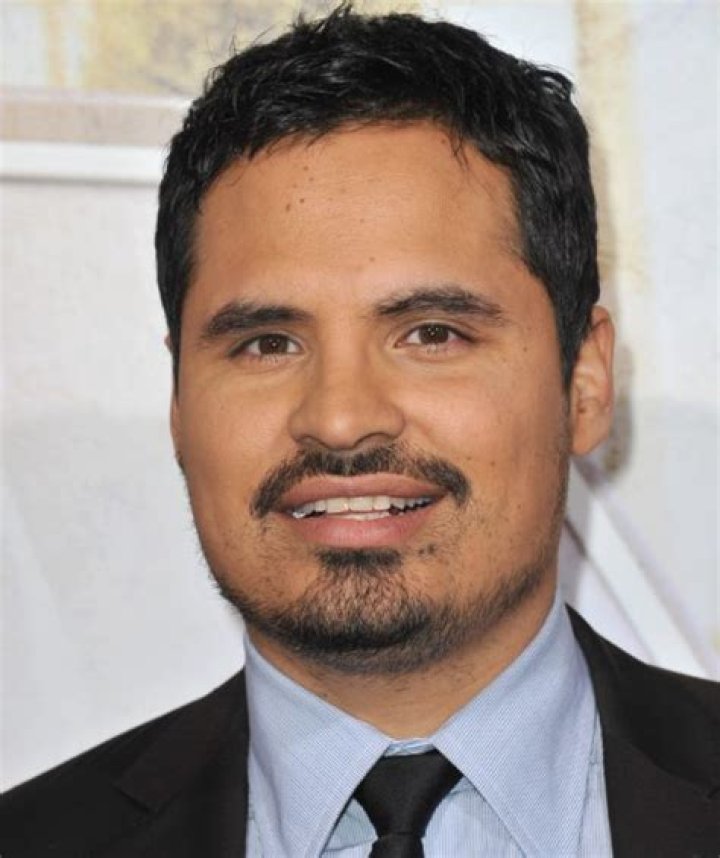
Is He Mixed Race Origin And Religion
Examining the topic of "Is He Mixed Race Origin And Religion" involves exploring various key aspects that shape an individual's identity and experiences. These aspects provide a lens through which we can understand the complexities of mixed racial and religious backgrounds.
- Heritage
- Culture
- Identity
- Discrimination
- Intersectionality
- Social Justice
- Racial and religious dynamics
- Cultural preservation
- Inclusivity
These aspects are interconnected and influence an individual's sense of belonging, experiences of discrimination or privilege, and their overall navigation of society. Understanding these complexities can help foster empathy, break down stereotypes, and promote a more just and equitable world.
Heritage
Heritage plays a crucial role in shaping an individual's identity and experiences, particularly in the context of mixed racial and religious backgrounds. It encompasses the traditions, values, beliefs, and practices passed down through generations, connecting individuals to their ancestors and communities.
- Cultural Heritage: This facet includes the customs, languages, arts, and traditions that are passed down within a particular cultural group. Mixed-race individuals may navigate multiple cultural heritages, influencing their sense of belonging and identity.
- Religious Heritage: Religious heritage refers to the spiritual beliefs and practices that are passed down through generations within a particular religious tradition. Mixed-race individuals may navigate multiple religious heritages, shaping their spiritual beliefs and practices.
- Ancestral Heritage: This facet encompasses the genetic and physical characteristics that are passed down through generations. Mixed-race individuals may have ancestors from different racial backgrounds, influencing their physical appearance and their connection to different racial groups.
- Historical Heritage: Historical heritage refers to the events, experiences, and stories that have shaped the history of a particular group or community. Mixed-race individuals may have a complex historical heritage, as their ancestors may have experienced different forms of discrimination or privilege based on their racial and religious backgrounds.
Understanding the complexities of heritage is essential for comprehending the experiences of mixed-race individuals. It provides a framework for exploring their sense of belonging, identity, and the challenges and opportunities they may encounter in society.
Culture
Culture encompasses the shared beliefs, values, customs, behaviors, and artifacts of a particular group of people. It shapes how individuals perceive the world, interact with others, and make sense of their experiences. In the context of mixed racial and religious backgrounds, culture plays a significant role in shaping identity, community, and belonging.
Mixed-race individuals often navigate multiple cultures, which can influence their sense of self and their experiences of discrimination or privilege. They may identify with different cultural groups based on their racial and religious heritage, leading to a complex and multifaceted cultural identity.
Understanding the cultural dimensions of mixed racial and religious backgrounds is essential for fostering inclusivity and breaking down stereotypes. It allows us to appreciate the richness and diversity of human experiences and to create a more just and equitable society.
Identity
Identity is a complex and multifaceted construct that encompasses an individual's sense of self, including their personal attributes, beliefs, values, and experiences. In the context of mixed racial and religious backgrounds, identity plays a particularly significant role in shaping an individual's self-perception and their experiences in society.
Mixed-race individuals often navigate multiple cultural and racial identities, which can lead to a complex and fluid sense of self. They may identify with different racial and ethnic groups based on their physical appearance, cultural upbringing, and personal experiences. This can lead to a sense of both belonging and otherness, as they may feel connected to multiple communities but also experience discrimination or marginalization based on their mixed heritage.
Understanding the complexities of identity formation in mixed-race individuals is essential for creating a more just and equitable society. It requires recognizing the unique challenges and opportunities that mixed-race individuals face and valuing the diversity of human experiences. By fostering inclusivity and breaking down stereotypes, we can create a society where everyone feels a sense of belonging and acceptance.
Discrimination
Discrimination is a prevalent issue faced by individuals of mixed racial and religious backgrounds. It encompasses unfair treatment, prejudice, and bias based on racial or religious differences. Mixed-race individuals may experience discrimination from both majority and minority groups, leading to social, economic, and psychological challenges.
- Racial Discrimination: Mixed-race individuals may face discrimination based on their perceived racial identity. They may be subjected to prejudice, stereotypes, and social exclusion due to their mixed heritage.
- Religious Discrimination: Mixed-race individuals may also experience discrimination based on their religious beliefs or practices. They may face prejudice, intolerance, or persecution from those who hold different religious views.
- Intersectionality: Mixed-race individuals often face discrimination that intersects with other forms of discrimination, such as racism, sexism, and xenophobia. This can lead to unique and complex challenges in their daily lives.
- Colorism: Mixed-race individuals may experience colorism, which is discrimination based on skin color. They may be treated differently depending on the shade of their skin, leading to social and economic disadvantages.
Discrimination against mixed-race individuals perpetuates social inequalities and undermines their sense of belonging. It is essential to challenge discriminatory attitudes and practices to create a more just and equitable society.
Intersectionality
Intersectionality is a critical framework that recognizes the interconnectedness of various forms of discrimination and oppression. In the context of "Is He Mixed Race Origin And Religion," intersectionality provides a lens to understand the unique experiences and challenges faced by individuals with multiple marginalized identities.
- Race and Religion: Mixed-race individuals may experience discrimination based on both their racial and religious identities. Intersectionality highlights how these forms of discrimination overlap and compound, leading to unique experiences of marginalization.
- Gender: Mixed-race women may face compounded discrimination based on their race, religion, and gender. They may experience sexism and misogynoir, which are specific forms of discrimination that target women of color.
- Class: Socioeconomic status can intersect with race and religion to create additional barriers for mixed-race individuals. They may face economic discrimination, limited access to resources, and reduced opportunities due to their marginalized identities.
- Immigration Status: Mixed-race individuals who are immigrants or children of immigrants may experience discrimination based on their immigration status. Intersectionality highlights how racism and xenophobia can compound the challenges faced by mixed-race individuals in navigating society.
Understanding the intersectionality of mixed racial and religious identities is crucial for creating inclusive and equitable societies. By recognizing the unique experiences and challenges faced by mixed-race individuals, we can develop targeted policies and interventions that address their specific needs.
Social Justice
Social justice is inextricably linked to the topic of "Is He Mixed Race Origin And Religion." It encompasses the quest for equity, fairness, and human rights for all, regardless of their racial or religious background. Understanding this connection is crucial for fostering an inclusive and just society.
Mixed-race individuals often navigate unique challenges and experiences due to their intersectional identities. They may face discrimination, prejudice, and marginalization based on their race, religion, or a combination of both. Social justice advocates work to address these injustices and promote equal opportunities for all.
Real-life examples abound, highlighting the need for social justice in addressing the experiences of mixed-race individuals. For instance, in the United States, mixed-race individuals have historically faced discrimination in housing, education, and employment. Social justice movements have played a vital role in challenging these injustices and advocating for equal rights.
Understanding the connection between social justice and "Is He Mixed Race Origin And Religion" is not merely academic; it has practical significance. By recognizing the unique challenges faced by mixed-race individuals, we can develop policies and interventions that address their specific needs. This includes promoting inclusive education, combating racial and religious discrimination, and ensuring equal access to opportunities.
Ultimately, the pursuit of social justice is essential for creating a society where all individuals, regardless of their racial or religious background, are treated with dignity and respect. By fostering inclusivity, equity, and fairness, we can build a more just and harmonious world for all.
Racial and religious dynamics
In the exploration of "Is He Mixed Race Origin And Religion," racial and religious dynamics play a pivotal role in shaping the experiences and identities of mixed-race individuals. These dynamics encompass the complex interactions between different racial and religious groups, leading to both challenges and opportunities for mixed-race individuals.
- Racial Prejudice and Discrimination: Mixed-race individuals may encounter prejudice and discrimination from both majority and minority racial groups. This can manifest in various forms, such as social exclusion, racial profiling, and barriers to education and employment opportunities.
- Religious Intolerance: Mixed-race individuals may also face religious intolerance and discrimination from individuals or groups who hold different religious beliefs. This can range from subtle biases to overt persecution, affecting their ability to practice their faith freely.
- Intersectionality: The experiences of mixed-race individuals are often compounded by intersectionality, as they may face discrimination based on multiple marginalized identities, such as race, religion, gender, and class. This can lead to unique and complex challenges.
- Cultural and Identity Formation: Racial and religious dynamics significantly influence the cultural and identity formation of mixed-race individuals. They may navigate multiple cultural and religious traditions, which can shape their sense of belonging, self-perception, and worldview.
Understanding the racial and religious dynamics that shape the experiences of mixed-race individuals is crucial for fostering inclusivity and combating discrimination. By recognizing the challenges and opportunities they face, we can create a more just and equitable society where all individuals are valued and respected, regardless of their racial or religious background.
Cultural preservation
Cultural preservation is intertwined with the exploration of "Is He Mixed Race Origin And Religion." Mixed-race individuals often navigate multiple cultures and religious traditions, and cultural preservation plays a significant role in shaping their identities and experiences.
- Preserving Heritage: Mixed-race individuals may actively engage in preserving their cultural heritage by participating in traditional practices, learning ancestral languages, and passing on cultural knowledge to future generations.
- Identity Formation: Cultural preservation contributes to the identity formation of mixed-race individuals, as they draw from multiple cultural backgrounds to construct a unique sense of self and belonging.
- Community Building: Cultural preservation fosters a sense of community among mixed-race individuals who share similar cultural experiences and traditions, providing support and a sense of belonging.
- Countering Stereotypes: Cultural preservation challenges stereotypes and promotes a more nuanced understanding of mixed-race identities by showcasing the richness and diversity of their cultural heritage.
Cultural preservation is essential for mixed-race individuals to maintain a connection to their roots, celebrate their diverse heritage, and contribute to a more inclusive society that values and respects cultural diversity.
Inclusivity
Inclusivity is a fundamental principle that fosters a welcoming and respectful environment for individuals of all backgrounds, creating a sense of belonging and valued participation. In the context of "Is He Mixed Race Origin And Religion," inclusivity plays a crucial role in recognizing and celebrating the unique experiences and identities of mixed-race individuals.
- Embracing Diversity: Inclusivity involves embracing the diversity of racial and religious backgrounds, recognizing that mixed-race individuals possess unique perspectives and experiences that enrich society.
- Challenging Stereotypes: Inclusivity challenges stereotypes and prejudices associated with mixed-race individuals, promoting a more nuanced understanding of their identities and experiences.
- Creating Equitable Opportunities: Inclusivity ensures that mixed-race individuals have equal access to opportunities in all spheres of life, including education, employment, and healthcare.
- Fostering Respectful Dialogue: Inclusivity fosters respectful dialogue and understanding among individuals with different racial and religious backgrounds, promoting empathy and breaking down barriers.
By fostering inclusivity, we create a society where mixed-race individuals feel valued, respected, and empowered to fully participate in all aspects of life. Inclusivity empowers them to embrace their unique identities, contribute to their communities, and challenge societal norms that perpetuate discrimination and marginalization.
Frequently Asked Questions on Mixed Race and Religion
This section provides brief answers to commonly asked questions regarding mixed race and religion. It aims to clarify misconceptions and provide a deeper understanding of the topic.
Question 1: What is the definition of a mixed race individual?
A mixed race individual is someone who has ancestors from different racial backgrounds. This can include individuals who identify as biracial, multiracial, or of mixed heritage.
Question 2: How does religion play a role in the experiences of mixed race individuals?
Religion can intersect with race in complex ways, shaping an individual's cultural identity, values, and experiences. Mixed race individuals may navigate multiple religious traditions or face unique challenges related to religious discrimination or acceptance.
Question 3: What are some of the challenges faced by mixed race individuals?
Mixed race individuals may encounter discrimination, prejudice, or stereotypes based on their racial and religious background. They may also face challenges related to identity formation and belonging, as they navigate multiple cultural influences.
Question 4: How can we promote inclusivity for mixed race individuals?
Promoting inclusivity involves recognizing and valuing the diversity of mixed race identities, challenging stereotypes, and creating equitable opportunities in all spheres of life.
Question 5: What are some resources or organizations that support mixed race individuals?
There are numerous organizations and resources dedicated to supporting mixed race individuals, providing community, advocacy, and resources to address their unique needs.
Question 6: How can we foster understanding and acceptance of mixed race individuals?
Fostering understanding and acceptance requires ongoing education, open dialogue, and a commitment to valuing diversity. It involves recognizing the intersectionality of race and religion and challenging societal norms that perpetuate discrimination.
In summary, understanding the experiences of mixed race individuals requires acknowledging the interplay of race and religion. Promoting inclusivity and fostering understanding are crucial to creating a more just and equitable society for all.
Transition to the next article section:
Tips for Understanding "Is He Mixed Race Origin And Religion"
Understanding the complexities of mixed race and religion requires sensitivity, open-mindedness, and a commitment to inclusivity. Here are several tips to guide your approach:
Tip 1: Recognize the Interplay of Race and ReligionAcknowledge that race and religion are interconnected aspects of an individual's identity. They shape cultural values, beliefs, and experiences, and their intersection can lead to unique challenges and opportunities.Tip 2: Challenge Stereotypes and AssumptionsAvoid making assumptions based on racial or religious stereotypes. Recognize that mixed-race individuals possess diverse backgrounds and experiences that defy simplistic labels.Tip 3: Foster Respectful DialogueEngage in respectful dialogue with mixed-race individuals, seeking to understand their perspectives and experiences. Listen actively, ask thoughtful questions, and be open to learning.Tip 4: Value Cultural DiversityCelebrate the richness and diversity of mixed-race cultures. Recognize the contributions that mixed-race individuals make to society and challenge societal norms that perpetuate discrimination.Tip 5: Promote InclusivityCreate inclusive environments where mixed-race individuals feel valued and respected. Ensure equal access to opportunities and resources, and challenge any forms of exclusion or marginalization.Summary:Understanding "Is He Mixed Race Origin And Religion" involves recognizing the intersectionality of race and religion, challenging stereotypes, fostering respectful dialogue, valuing cultural diversity, and promoting inclusivity. By following these tips, we can contribute to a more just and equitable society that embraces the richness and diversity of human experiences.Conclusion
The exploration of "Is He Mixed Race Origin And Religion" has highlighted the multifaceted nature of identity, shedding light on the unique experiences and challenges faced by mixed-race individuals. This topic demands our attention as we strive to build a more inclusive and equitable society that embraces diversity.
Understanding the intersectionality of race and religion is crucial for fostering empathy and breaking down stereotypes. We must recognize that mixed-race individuals navigate complex cultural and social landscapes, and their experiences are shaped by both their racial and religious backgrounds. By promoting inclusivity, challenging prejudice, and valuing cultural diversity, we can create a world where all individuals feel a sense of belonging and acceptance.
Unveiling Lauren Jasmine: Unlocking Success Secrets From Wiki To Family
Discover The Extraordinary Legacy Of Raul Striker Sr.: Education, Community, And Social Justice
Unveiling The Marital Status Of Olivia Attwood: Surprises And Revelations