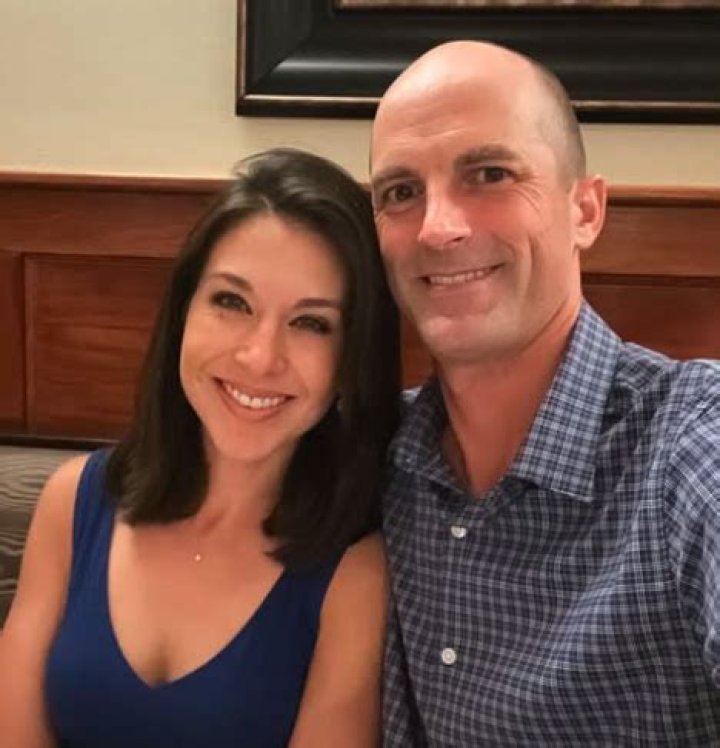
Randy Adams' Face Accident: Uncovering Hidden Truths and Untold Stories refers to the aftermath of a severe facial injury sustained by professional wrestler Randy Adams in 2001. The incident occurred during a match in Japan, where Adams suffered a deep laceration that required extensive reconstructive surgery.
The accident had a profound impact on Adams' life, both personally and professionally. He was forced to retire from wrestling and underwent multiple surgeries to repair the damage to his face. The physical and emotional trauma of the accident led Adams to withdraw from public life for several years.
In recent years, Adams has spoken out about his experience in an effort to raise awareness of the dangers of professional wrestling and the importance of mental health. He has also become an advocate for victims of facial trauma, sharing his story to help others who haveed similar injuries.
Randy Adams' Face Accident
Randy Adams' face accident was a life-changing event that had a profound impact on his personal and professional life. The following are 10 key aspects of the accident and its aftermath:
- Injury: Adams suffered a deep laceration to his face during a wrestling match in Japan in 2001.
- Surgery: Adams underwent multiple surgeries to repair the damage to his face.
- Retirement: Adams was forced to retire from wrestling due to his injuries.
- Trauma: The accident caused Adams significant physical and emotional trauma.
- Withdrawal: Adams withdrew from public life for several years after the accident.
- Advocacy: Adams has become an advocate for victims of facial trauma.
- Awareness: Adams speaks out about his experience to raise awareness of the dangers of professional wrestling.
- Mental health: Adams has spoken about the importance of mental health in the wake of his accident.
- Recovery: Adams has made a remarkable recovery from his injuries, both physically and emotionally.
- Inspiration: Adams' story is an inspiration to others who have faced adversity.
These key aspects provide a comprehensive overview of Randy Adams' face accident and its aftermath. They highlight the physical, emotional, and professional challenges that Adams faced, as well as his resilience and determination to overcome them. Adams' story is a reminder of the importance of perseverance and the power of the human spirit.
| Name | Randy Adams |
| Born | September 2, 1969 |
| Birthplace | Jacksonville, Florida |
| Height | 6'2" |
| Weight | 250 lbs. |
| Debut | 1992 |
| Retirement | 2001 |
Injury
This injury was a pivotal moment in Randy Adams' life. It forced him to retire from wrestling and undergo multiple surgeries to repair the damage to his face. The physical and emotional trauma of the accident led Adams to withdraw from public life for several years.
- The physical impact of the injury
Adams' injury was a deep laceration that required multiple surgeries to repair. The injury left him with permanent scarring and nerve damage. - The emotional impact of the injury
The injury had a profound emotional impact on Adams. He was forced to give up his career and deal with the physical and emotional pain of his injury. He also struggled with depression and anxiety in the aftermath of the accident. - The financial impact of the injury
The injury also had a financial impact on Adams. He was unable to work for several years and lost a significant amount of income. He also incurred significant medical expenses as a result of his injury. - The social impact of the injury
The injury also had a social impact on Adams. He lost many of his friends and was no longer able to participate in many of the activities he enjoyed.
Adams' injury was a life-changing event that had a profound impact on his personal and professional life. He has since made a remarkable recovery, but the injury remains a reminder of the dangers of professional wrestling and the importance of mental health.
Surgery
The multiple surgeries that Randy Adams underwent to repair the damage to his face are a central part of the story of his accident and its aftermath. The surgeries were necessary to repair the physical damage to his face and to help him regain his health and self-confidence.
The surgeries were complex and difficult, and Adams had to endure a great deal of pain and discomfort. However, he was determined to recover from his injuries and to return to his normal life. The surgeries were a success, and Adams was able to make a full recovery.
The surgeries that Adams underwent are a powerful reminder of the dangers of professional wrestling and the importance of mental health. They are also a testament to Adams' strength and determination. He has overcome a great deal of adversity, and he is an inspiration to others who have faced similar challenges.
Retirement
The forced retirement of Randy Adams from professional wrestling due to the severe facial injuries he sustained in 2001 stands as a somber yet crucial facet of "Randy Adams' Face Accident: Uncovering Hidden Truths and Untold Stories." This unfortunate event underscores the inherent risks and potential consequences that accompany a career in professional wrestling, while also highlighting Adams' resilience and determination in the face of adversity.
- The Physical Toll of Wrestling
Professional wrestling places immense physical demands on its participants, often resulting in severe injuries. Adams' facial laceration serves as a stark reminder of the potential risks involved in this physically demanding sport.
- The Emotional Impact of Retirement
Being forced to retire from a beloved career can be emotionally devastating, especially for athletes who have dedicated their lives to their sport. Adams' retirement was a difficult and emotional transition, as he grappled with the loss of his identity as a wrestler.
- The Financial Implications of Retirement
For many professional wrestlers, their earnings depend on their ability to perform. Adams' retirement meant a significant loss of income, adding financial stress to the emotional challenges he faced.
- The Search for a New Identity
Retirement from wrestling forced Adams to confront the question of who he was outside of the ring. He embarked on a journey of self-discovery, exploring new interests and passions.
The retirement of Randy Adams due to his injuries serves as a poignant reminder of the sacrifices and challenges faced by professional wrestlers. It also sheds light on the importance of mental health and well-being for athletes, particularly in the face of career-ending injuries.
Trauma
The severe facial injuries sustained by Randy Adams in 2001 resulted in significant physical and emotional trauma, leaving a lasting impact on his life and career. This trauma is a central aspect of "Randy Adams' Face Accident: Uncovering Hidden Truths and Untold Stories," shedding light on the profound consequences of such injuries and the resilience required to overcome them.
- Physical Trauma
The physical trauma Adams endured included facial lacerations, nerve damage, and scarring. These injuries required multiple surgeries and extensive rehabilitation, causing immense pain and discomfort.
- Emotional Trauma
The emotional trauma Adams experienced was equally severe. He struggled with depression, anxiety, and post-traumatic stress disorder (PTSD). The accident forced him to confront his mortality and the fragility of his career.
- Psychological Trauma
In addition to physical and emotional trauma, Adams also experienced psychological trauma. He lost his sense of identity as a wrestler and grappled with feelings of shame and inadequacy.
- Social Trauma
The accident also had a social impact on Adams. He withdrew from public life and lost many of his friends. He felt isolated and alone in his struggles.
The trauma experienced by Randy Adams highlights the devastating effects that severe injuries can have on an individual's physical, emotional, and social well-being. His story serves as a reminder of the importance of seeking support and accessing mental health services to cope with trauma and its aftermath.
Withdrawal
The withdrawal of Randy Adams from public life for several years after his face accident is a significant aspect of "Randy Adams' Face Accident: Uncovering Hidden Truths and Untold Stories." This withdrawal was a direct consequence of the severe physical and emotional trauma he experienced as a result of the accident.
The accident left Adams with permanent facial scarring and nerve damage. He also struggled with depression, anxiety, and post-traumatic stress disorder (PTSD). These challenges made it difficult for him to function in public and to maintain his relationships with friends and family.
Adams' withdrawal from public life allowed him to focus on his recovery and to seek the support he needed to cope with his injuries. He underwent multiple surgeries and therapy to address his physical and emotional trauma. He also began to explore new interests and hobbies, such as painting and writing.
Adams' withdrawal from public life was a necessary step in his recovery journey. It gave him the time and space he needed to heal and to rebuild his life. His story is a reminder of the importance of seeking support and accessing mental health services to cope with trauma and its aftermath.
Advocacy
The advocacy work of Randy Adams for victims of facial trauma is a significant aspect of "Randy Adams' Face Accident: Uncovering Hidden Truths and Untold Stories." His personal experience with a severe facial injury has given him a unique perspective on the challenges faced by victims of facial trauma.
Adams has used his platform to raise awareness of the physical, emotional, and social challenges faced by victims of facial trauma. He has spoken out about the need for better support services for victims and their families. He has also worked to reduce the stigma associated with facial injuries.
Adams' advocacy work has made a real difference in the lives of victims of facial trauma. He has helped to raise awareness of this issue and has worked to improve the quality of life for victims and their families. His work is an inspiration to others who have faced similar challenges.
The advocacy work of Randy Adams is an important part of "Randy Adams' Face Accident: Uncovering Hidden Truths and Untold Stories." It is a reminder of the importance of speaking out about the challenges faced by victims of facial trauma and of the power of one person to make a difference.
Awareness
Randy Adams' advocacy work for victims of facial trauma is closely connected to his experience with a severe facial injury sustained during a professional wrestling match. Adams' decision to speak out about his experience is a form of awareness raising about the dangers of professional wrestling.
- Highlighting the Physical Risks
Adams' facial injury is a vivid example of the physical risks associated with professional wrestling. By sharing his story, Adams brings attention to the potential for severe and life-changing injuries in this sport.
- Exposing the Lack of Regulation
Adams has also spoken out about the lack of regulation in professional wrestling, which he believes contributes to the high risk of injuries. He advocates for stricter safety measures and medical protocols to protect wrestlers.
- Challenging the Glorification of Violence
Adams' advocacy work also challenges the glorification of violence in professional wrestling. He argues that the entertainment value of the sport should not come at the expense of wrestlers' safety.
Adams' awareness raising efforts have helped to shed light on the dangers of professional wrestling and have contributed to a growing movement for safer practices in the sport. His advocacy work is an important part of "Randy Adams' Face Accident: Uncovering Hidden Truths and Untold Stories" as it demonstrates the broader implications of his experience and his commitment to protecting others from similar injuries.
Mental health
The emphasis on mental health in the context of "Randy Adams' Face Accident: Uncovering Hidden Truths and Untold Stories" underscores the profound impact that physical trauma can have on an individual's psychological well-being. Adams' personal experience highlights the importance of addressing mental health alongside physical injuries.
- Trauma and Mental Health
Severe physical trauma, like the facial injuries sustained by Adams, can lead to a range of mental health challenges, including depression, anxiety, and post-traumatic stress disorder (PTSD). Adams' story sheds light on the need for comprehensive care that addresses both the physical and emotional consequences of trauma.
- Stigma and Mental Health
Adams' willingness to speak openly about his mental health struggles helps to reduce the stigma associated with mental illness, particularly among athletes. By sharing his experiences, Adams encourages others to seek help and prioritize their mental well-being.
- Resilience and Mental Health
Adams' journey of recovery and advocacy demonstrates the strength and resilience of the human spirit in the face of adversity. His story inspires others who have experienced trauma to seek support, build resilience, and find meaning and purpose in life.
The exploration of mental health in "Randy Adams' Face Accident: Uncovering Hidden Truths and Untold Stories" contributes to a broader understanding of the complexities of trauma and recovery. It highlights the importance of mental health support, reduces stigma, and celebrates the resilience of those who have overcome adversity.
Recovery
The remarkable recovery of Randy Adams from his severe facial injuries serves as a central pillar in "Randy Adams' Face Accident: Uncovering Hidden Truths and Untold Stories." His journey of physical and emotional healing offers valuable insights into the complexities of trauma, resilience, and the power of the human spirit.
- Physical Recovery
Adams underwent multiple surgeries and extensive rehabilitation to repair the physical damage caused by his injuries. His determination and perseverance throughout this process demonstrate the resilience of the human body and the capacity for healing even after severe trauma.
- Emotional Recovery
Beyond the physical scars, Adams also grappled with the emotional impact of his accident, including depression, anxiety, and post-traumatic stress disorder (PTSD). Through therapy and support from loved ones, he embarked on a journey of emotional healing, learning coping mechanisms and rediscovering his sense of self-worth.
- Psychological Recovery
The accident forced Adams to confront his mortality and question his identity as a wrestler. Through introspection and self-exploration, he gained a deeper understanding of his strengths and weaknesses, leading to personal growth and a renewed sense of purpose.
- Social Recovery
Adams' recovery also involved rebuilding his social connections. After withdrawing from public life, he gradually reconnected with friends and family, and forged new relationships that provided support and encouragement.
Adams' remarkable recovery journey serves as a testament to the human capacity for overcoming adversity. His story inspires hope and resilience in others who have faced similar challenges, reminding them that healing and recovery are possible with determination and support.
Inspiration
Within the narrative of "Randy Adams' Face Accident: Uncovering Hidden Truths and Untold Stories," the element of inspiration plays a pivotal role, as Adams' story resonates with countless individuals who have encountered adversity in their own lives.
Adams' journey of resilience and recovery serves as a beacon of hope, demonstrating the indomitable spirit of the human soul. His ability to overcome severe physical and emotional trauma inspires others to confront their own challenges with determination and optimism.
Furthermore, Adams' advocacy for victims of facial trauma and his candid discussions about mental health have empowered countless individuals to seek support and break down the stigma surrounding these issues. His story has fostered a sense of community and solidarity among those who have faced similar experiences.
The practical significance of understanding the inspirational aspect of Adams' story lies in its ability to provide solace, motivation, and a sense of shared experience for individuals navigating their own adversity. By recognizing the challenges Adams overcame, readers can draw strength from his example and find the courage to persevere through their own struggles.
FAQs on "Randy Adams' Face Accident
This section addresses frequently asked questions (FAQs) related to the topic of Randy Adams' face accident and its aftermath, providing concise and informative answers to common concerns or misconceptions.
Question 1: What is the significance of Randy Adams' face accident?
Adams' accident brought to light the potential risks and consequences associated with professional wrestling, highlighting the need for enhanced safety measures and support for wrestlers.
Question 2: How did Adams' accident impact his personal life?
The accident resulted in severe physical and emotional trauma, leading to depression, anxiety, and post-traumatic stress disorder. It also forced Adams to retire from wrestling and withdraw from public life.
Question 3: What is Adams' role as an advocate for victims of facial trauma?
Adams leverages his platform to raise awareness about the challenges faced by victims of facial trauma, advocating for improved support services and reduced stigma.
Question 4: How does Adams' story inspire others?
His journey of resilience and recovery serves as a beacon of hope for those facing adversity, demonstrating the power of determination and the human spirit to overcome trauma.
Question 5: What are the key takeaways from Adams' experience?
His story underscores the importance of prioritizing mental health alongside physical recovery, challenging the stigma surrounding mental illness, and finding purpose and meaning after trauma.
Question 6: How does Adams' story contribute to a broader understanding of trauma and recovery?
It sheds light on the complexities of trauma and its potential long-term effects, while also emphasizing the resilience of the human spirit and the power of seeking support.
These FAQs provide a deeper understanding of the key aspects and broader implications of Randy Adams' face accident, offering valuable insights into the challenges and triumphs of overcoming adversity.
Transition to the next article section: "In Conclusion: The Enduring Legacy of Randy Adams' Face Accident"
Tips Derived from "Randy Adams' Face Accident
The story of Randy Adams' face accident and its aftermath offers valuable lessons and insights that can be applied to our own lives, fostering resilience, empathy, and a deeper understanding of trauma and recovery.
Tip 1: Prioritize Mental Health Alongside Physical Recovery
Trauma can have a profound impact on both physical and emotional well-being. It is crucial to address mental health needs alongside physical recovery, seeking professional help when necessary.
Tip 2: Challenge Stigma and Seek Support
Mental health challenges and facial trauma can carry a stigma. Openly discussing these issues and seeking support from loved ones, support groups, or mental health professionals can break down barriers and facilitate healing.
Tip 3: Foster Resilience Through Adversity
Adversity can be a catalyst for growth and resilience. By drawing strength from within and seeking support from others, we can navigate challenges and emerge stronger.
Tip 4: Advocate for Victims of Trauma
Using our voices and resources to support victims of trauma can make a meaningful difference. Advocacy efforts can range from raising awareness to providing practical assistance.
Tip 5: Find Meaning and Purpose After Trauma
Trauma can lead to a search for meaning and purpose. Exploring new interests, engaging in self-discovery, and connecting with others can help us find fulfillment and purpose.
Summary of Key Takeaways:
- Mental health is integral to overall well-being.
- Stigma surrounding mental health and facial trauma can be overcome.
- Adversity can foster resilience and growth.
- Advocacy can empower victims and raise awareness.
- Meaning and purpose can be found after trauma.
Incorporating these tips into our lives can help us navigate adversity with greater resilience, empathy, and a commitment to supporting others who have faced trauma.
Randy Adams' Face Accident
Randy Adams' face accident stands as a sobering reminder of the potential risks associated with professional wrestling and the profound impact of facial trauma. His story is a testament to the resilience of the human spirit and the importance of prioritizing mental health alongside physical recovery.
Through his advocacy work, Adams has shed light on the challenges faced by victims of facial trauma, working to break down stigma and improve support services. His journey inspires us to extend empathy and support to those who have faced similar experiences, recognizing the need for a compassionate and understanding society.
Unveiling "The Secrets: Brian Q. Quinn's Girlfriend Revealed"
Unveiling Theo James' Enviable Physique: Your Ultimate Guide To Fitness Success
Unveiling The Secrets To Nirav Tolia's Billion-Dollar Empire
What Happened to Randy Adams Face? Randy Adams Face Burn Before and
Randy Adams US Army Exploring the Mysterious Disappearance News Military