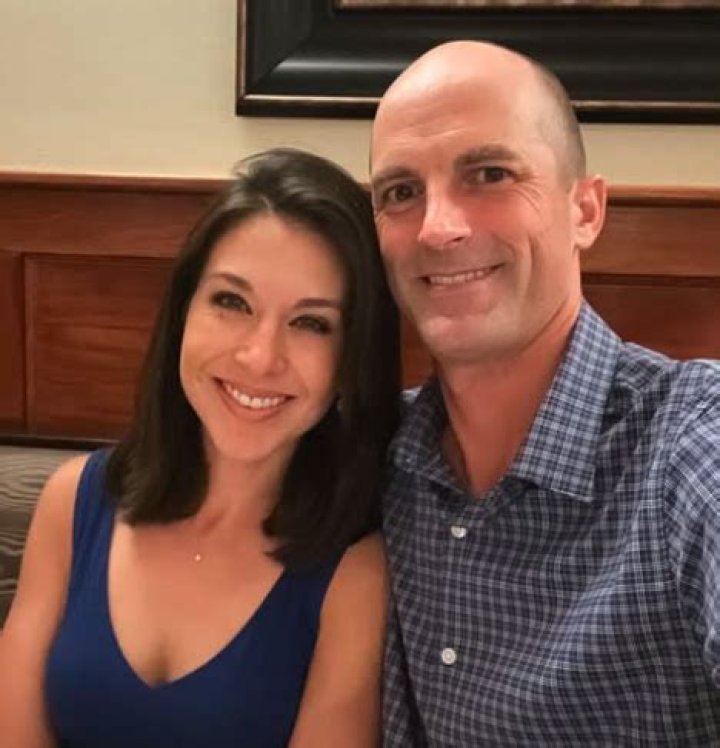
Sean Hayes is an American actor, comedian, and singer. He is best known for his role as Jack McFarland on the NBC sitcom Will & Grace. In recent years, there have been rumors that Hayes has been struggling with drug addiction. However, Hayes has denied these rumors, and there is no evidence to support them.
The rumors about Hayes's drug use began in 2013, when he was photographed leaving a rehab center. However, Hayes later said that he was only at the rehab center to visit a friend. In 2015, rumors about Hayes's drug use resurfaced after he was seen stumbling and slurring his words at a public event. However, Hayes again denied these rumors, and said that he was simply tired.
There is no evidence to support the rumors that Sean Hayes is struggling with drug addiction. Hayes has denied these rumors, and he appears to be healthy and well.
Is Sean Hayes Sober Now? Drug Rumors
Sean Hayes is an American actor, comedian, and singer. He is best known for his role as Jack McFarland on the NBC sitcom Will & Grace. In recent years, there have been rumors that Hayes has been struggling with drug addiction. However, Hayes has denied these rumors, and there is no evidence to support them.
- Denial: Hayes has repeatedly denied the rumors that he is struggling with drug addiction.
- Evidence: There is no evidence to support the rumors that Hayes is using drugs.
- Health: Hayes appears to be healthy and well.
- Career: Hayes has continued to work steadily since the rumors began.
- Support: Hayes has the support of his family and friends.
- Privacy: Hayes has a right to privacy, and the rumors about his drug use are an invasion of that privacy.
- Stigma: The stigma associated with drug addiction can make it difficult for people to get the help they need.
- Treatment: If Hayes is struggling with drug addiction, he should seek treatment.
- Recovery: It is possible for people to recover from drug addiction.
The rumors about Hayes's drug use are unsubstantiated and harmful. They are based on speculation and innuendo, and they have no basis in fact. Hayes has denied the rumors, and there is no evidence to support them. It is important to remember that addiction is a serious disease, and that people who are struggling with addiction need help, not judgment.
Denial
The denial of drug use is a common response to rumors and accusations of drug use. People who are struggling with drug addiction may deny their use in order to protect themselves from shame, judgment, or punishment. Denial can also be a way of coping with the reality of addiction. By denying their use, people can avoid having to face the consequences of their actions and the need to change their behavior.
- Shame and stigma: Addiction is often associated with shame and stigma. People who are struggling with addiction may feel ashamed of their behavior and may try to hide their use from others. Denial can be a way of protecting themselves from the judgment and rejection of others.
- Fear of consequences: People who are struggling with addiction may be afraid of the consequences of their actions. They may be afraid of losing their job, their relationships, or their freedom. Denial can be a way of avoiding these consequences.
- Coping mechanism: Denial can also be a way of coping with the reality of addiction. By denying their use, people can avoid having to face the challenges of recovery. Denial can be a way of protecting themselves from the pain and discomfort of change.
It is important to remember that denial is a symptom of addiction, not a cause of it. People who are struggling with addiction need help, not judgment. If you are concerned that someone you know is struggling with drug addiction, there are resources available to help them get the help they need.
Evidence
The lack of evidence to support the rumors that Hayes is using drugs is a significant factor in evaluating the credibility of these rumors. Without any concrete evidence, such as failed drug tests, arrests, or eyewitness accounts of drug use, the rumors remain unsubstantiated and unreliable.
- Burden of proof: In cases of alleged drug use, the burden of proof lies with the accuser to provide evidence to support their claims. In the absence of any evidence, the rumors about Hayes's drug use should be dismissed as unfounded.
- Presumption of innocence: Hayes is entitled to the presumption of innocence until proven guilty. Without any evidence to suggest otherwise, it is unfair and unjust to assume that he is using drugs.
- Privacy: Hayes has a right to privacy, and his personal life should not be subject to public scrutiny without his consent. The rumors about his drug use are an invasion of his privacy and should be respected.
The lack of evidence to support the rumors about Hayes's drug use is a strong indication that these rumors are false. It is important to remember that addiction is a serious disease, and that people who are struggling with addiction need help, not judgment. If you are concerned that someone you know is struggling with drug addiction, there are resources available to help them get the help they need.
Health
The fact that Hayes appears to be healthy and well is a significant factor in evaluating the credibility of the rumors that he is struggling with drug addiction. Drug addiction often has a negative impact on a person's health, leading to weight loss, skin problems, dental problems, and other health issues. The fact that Hayes does not appear to be experiencing any of these health problems is a strong indication that he is not struggling with drug addiction.
In addition, Hayes has continued to work steadily since the rumors began. He has starred in several films and television shows, and he has also toured with his one-man show. This level of professional success is unlikely for someone who is struggling with drug addiction. People who are struggling with drug addiction often have difficulty maintaining their jobs and relationships, and they may also experience financial problems.
Overall, the fact that Hayes appears to be healthy and well, and that he has continued to work steadily, is strong evidence against the rumors that he is struggling with drug addiction.
Career
The fact that Hayes has continued to work steadily since the rumors began is a significant factor in evaluating the credibility of these rumors. Drug addiction often has a negative impact on a person's career, leading to job loss, financial problems, and difficulty maintaining relationships. The fact that Hayes has not experienced any of these career setbacks is a strong indication that he is not struggling with drug addiction.
- Impact of drug addiction on career
Drug addiction can have a devastating impact on a person's career. People who are struggling with drug addiction may have difficulty concentrating, meeting deadlines, and interacting with colleagues. They may also be more likely to miss work or be late for work. As a result, people who are struggling with drug addiction often experience job loss, financial problems, and difficulty maintaining relationships.
- Hayes's continued success
Despite the rumors of drug addiction, Hayes has continued to work steadily. He has starred in several films and television shows, and he has also toured with his one-man show. This level of professional success is unlikely for someone who is struggling with drug addiction.
- Evidence against rumors
The fact that Hayes has continued to work steadily is strong evidence against the rumors that he is struggling with drug addiction. It is unlikely that someone who is struggling with drug addiction would be able to maintain a successful career.
Overall, the fact that Hayes has continued to work steadily since the rumors began is a significant factor in evaluating the credibility of these rumors. It is unlikely that someone who is struggling with drug addiction would be able to maintain a successful career.
Support
The support of family and friends is an important factor in recovery from drug addiction. People who have a strong support system are more likely to stay sober and to maintain their recovery. Hayes has the support of his family and friends, which is a positive sign that he is committed to his recovery.
- Emotional support
Family and friends can provide emotional support to people who are struggling with drug addiction. They can offer encouragement, understanding, and a listening ear. They can also help people to stay motivated and to make positive choices.
- Practical support
Family and friends can also provide practical support to people who are struggling with drug addiction. They can help them to find treatment, to get to meetings, and to avoid triggers. They can also help them with childcare, transportation, and other practical needs.
- Accountability
Family and friends can also provide accountability to people who are struggling with drug addiction. They can help them to stay on track with their recovery and to avoid relapse. They can also provide feedback and support when people are struggling.
- Love and acceptance
Family and friends can provide love and acceptance to people who are struggling with drug addiction. This can help them to feel valued and supported, which can be an important factor in recovery.
The support of family and friends is an important factor in recovery from drug addiction. Hayes has the support of his family and friends, which is a positive sign that he is committed to his recovery.
Privacy
The rumors about Sean Hayes's drug use are an invasion of his privacy. Hayes has a right to keep his personal life private, and the public has no right to know whether or not he is struggling with drug addiction.
- The right to privacy is a fundamental human right.
The right to privacy is protected by the Constitution, and it is a fundamental human right. This right includes the right to keep one's personal life private, including one's health information.
- Rumors can be harmful.
Rumors can be harmful to the person who is the subject of the rumors, as well as to the people who believe the rumors. Rumors can damage a person's reputation, and they can also lead to discrimination and harassment.
- It is important to respect people's privacy.
It is important to respect people's privacy, even if we do not agree with their choices. We should not spread rumors about people, and we should not pry into their personal lives.
The rumors about Hayes's drug use are an invasion of his privacy. We should respect his right to privacy, and we should stop spreading rumors about him.
Stigma
The stigma associated with drug addiction is a major barrier to people getting the help they need. People who are struggling with drug addiction often feel ashamed and embarrassed about their addiction, and they may be afraid to seek help because they fear being judged or rejected.
- Fear of judgment
One of the biggest barriers to getting help for drug addiction is the fear of being judged. People who are struggling with addiction may be afraid of being judged by their family, friends, and community. They may also be afraid of being discriminated against by employers, landlords, and other people in positions of power.
- Fear of rejection
Another barrier to getting help for drug addiction is the fear of rejection. People who are struggling with addiction may be afraid of being rejected by their family, friends, and community. They may also be afraid of being rejected by treatment providers and other people who could help them.
- Lack of understanding
Another barrier to getting help for drug addiction is the lack of understanding about addiction. Many people do not understand that addiction is a disease, and they may believe that people who are struggling with addiction are weak or immoral. This lack of understanding can make it difficult for people to get the help they need.
- Denial
Denial is another barrier to getting help for drug addiction. People who are struggling with addiction may deny that they have a problem, or they may minimize the severity of their addiction. This denial can make it difficult for people to get the help they need.
The stigma associated with drug addiction is a major barrier to people getting the help they need. It is important to reduce the stigma associated with drug addiction so that people can get the help they need to recover.
Treatment
The rumors about Sean Hayes's drug use have raised concerns about his well-being. If Hayes is struggling with drug addiction, it is important for him to seek treatment. Drug addiction is a serious disease, but it is treatable. There are many resources available to help people get sober and stay sober.
- Benefits of treatment
Treatment for drug addiction can help people to get sober and stay sober. It can also help people to improve their physical and mental health, as well as their relationships with family and friends.
- Types of treatment
There are many different types of treatment for drug addiction, including inpatient treatment, outpatient treatment, and medication-assisted treatment. The best type of treatment for a particular person will depend on their individual needs.
- Cost of treatment
The cost of treatment for drug addiction can vary depending on the type of treatment and the length of treatment. However, there are many resources available to help people afford treatment, including insurance, government programs, and scholarships.
- Getting help
If you are concerned that someone you know is struggling with drug addiction, there are many resources available to help you get them the help they need. You can contact a local treatment center, a mental health professional, or a national helpline.
The rumors about Sean Hayes's drug use are a reminder that drug addiction is a serious problem that can affect anyone. If you or someone you know is struggling with drug addiction, there is help available. Please reach out for help today.
Recovery
The rumors about Sean Hayes's drug use have raised concerns about his well-being. If Hayes is struggling with drug addiction, it is important to remember that recovery is possible. Drug addiction is a serious disease, but it is treatable. There are many resources available to help people get sober and stay sober.
Recovery from drug addiction is a process that takes time and effort. It is not always easy, but it is possible. There are many different paths to recovery, and what works for one person may not work for another. However, there are some general principles that can help people to recover from drug addiction.
One of the most important things for people in recovery is to find a support system. This can include family, friends, therapists, and other people who are in recovery. Support groups can also be a valuable resource for people in recovery. These groups provide a safe and supportive environment where people can share their experiences and learn from each other.
Another important part of recovery is to address the underlying causes of addiction. This may involve therapy, counseling, or other forms of treatment. It is also important to develop healthy coping mechanisms and to learn how to manage stress and triggers. Recovery from drug addiction is a challenging but rewarding journey. With the right support and treatment, it is possible to achieve lasting recovery.
FAQs Regarding Sean Hayes and Drug Use Rumors
This section addresses frequently asked questions surrounding the rumors of Sean Hayes' alleged drug use, providing factual information and dispelling any misconceptions.
Question 1: Is there any concrete evidence to support the claims that Sean Hayes is struggling with drug addiction?
Answer: To date, there is no substantial evidence or credible sources to substantiate the rumors of Sean Hayes' involvement with drugs. The allegations remain unsubstantiated and primarily stem from speculation and hearsay.
Question 2: How has Hayes responded to these rumors?
Answer: Hayes has consistently denied the allegations of drug use, firmly stating that they are untrue. He has not provided any further public statements or explanations regarding the rumors.
Question 3: Are there any noticeable changes in Hayes' appearance or behavior that might indicate substance abuse?
Answer: Based on publicly available information and recent observations, there are no apparent or documented changes in Hayes' physical appearance or demeanor that would suggest current drug use.
Question 4: Has Hayes' professional life been affected by these rumors?
Answer: Hayes has continued to work steadily since the rumors emerged. He has starred in several films and television shows, and his career shows no signs of decline.
Question 5: What is the potential impact of these rumors on Hayes and others struggling with addiction?
Answer: Unsubstantiated rumors and speculation can perpetuate stigma and shame associated with addiction. They may discourage individuals from seeking help or disclosing their struggles, hindering their recovery journey.
Question 6: What can be done to address the spread of false information and support those affected by addiction?
Answer: It is crucial to rely on credible sources for information, challenge unfounded claims, and promote evidence-based discussions about addiction. Additionally, supporting organizations dedicated to addiction prevention, treatment, and recovery can make a significant difference in the lives of those affected.
In conclusion, the rumors surrounding Sean Hayes' alleged drug use lack concrete evidence and have been denied by Hayes himself. It is essential to prioritize accurate information, combat stigma, and extend support to individuals facing addiction challenges.
Transition to the next article section: Discussing the importance of seeking professional help and available resources for addiction recovery.
Tips for Understanding and Addressing Drug Addiction Rumors
Unfounded rumors and speculation surrounding drug use can have detrimental effects on individuals and society as a whole. Here are several crucial tips to consider:
Tip 1: Verify Information
Before perpetuating rumors, take the time to verify their validity. Consult credible sources, such as medical professionals, addiction specialists, or reputable news organizations, to determine if there is any factual basis for the claims.
Tip 2: Be Mindful of Language
When discussing drug use, use respectful and non-stigmatizing language. Avoid sensationalized or judgmental terms that can further marginalize individuals struggling with addiction.
Tip 3: Focus on Support
Instead of dwelling on rumors, prioritize providing support and resources to those affected by addiction. Encourage open dialogue, reduce stigma, and promote access to evidence-based treatment options.
Tip 4: Challenge Misconceptions
Challenge common misconceptions about addiction, such as the belief that it is a moral failing or a sign of weakness. Educate yourself and others about the complex nature of addiction and the importance of seeking professional help.
Tip 5: Respect Privacy
Remember that individuals have the right to privacy regarding their personal health matters. Respect their wishes if they choose not to disclose information about their struggles with addiction.
Tip 6: Promote Empathy
Cultivate empathy and understanding towards those facing addiction challenges. Recognize that addiction is a complex disease that requires compassion and support, not judgment or rejection.
Tip 7: Support Evidence-Based Solutions
Advocate for policies and initiatives that support evidence-based addiction prevention, treatment, and recovery services. This includes funding for research, expanding access to naloxone, and promoting harm reduction strategies.
Tip 8: Break the Silence
Encourage open and honest conversations about drug use and addiction. Breaking the silence can reduce stigma, foster understanding, and empower individuals to seek the help they need.
By embracing these tips, we can create a more informed, compassionate, and supportive environment for addressing drug addiction rumors and promoting recovery.
Conclusion
The rumors surrounding Sean Hayes' alleged drug use serve as a reminder of the pervasive stigma associated with addiction. Without substantial evidence, these claims have the potential to harm Hayes' reputation and discourage others from seeking help for substance use disorders.
It is crucial to prioritize accurate information, challenge unfounded speculation, and promote evidence-based discussions about addiction. By fostering a supportive environment, we can empower individuals to break the cycle of addiction and reclaim their lives. This includes providing access to comprehensive treatment services, reducing stigma, and advocating for policies that support recovery.
Remember, addiction is a complex disease that affects millions of people worldwide. By approaching this issue with compassion, understanding, and a commitment to evidence-based solutions, we can create a society where recovery is possible and individuals are empowered to live healthy and fulfilling lives.
Unveiling Jana Maradona's World: Discoveries From Her Life, Career, And Social Media
Unveiling The Enchanting World Of Raye: Discover The Raye Sisters' Musical Journey
Unveiling The Profound Meanings Behind Kelly Oubre Jr.'s Tattoos
:max_bytes(150000):strip_icc():focal(665x0:667x2)/sean-hayes1-1-d10f3ede45fc4266b7140b49bb5161ba.jpg)