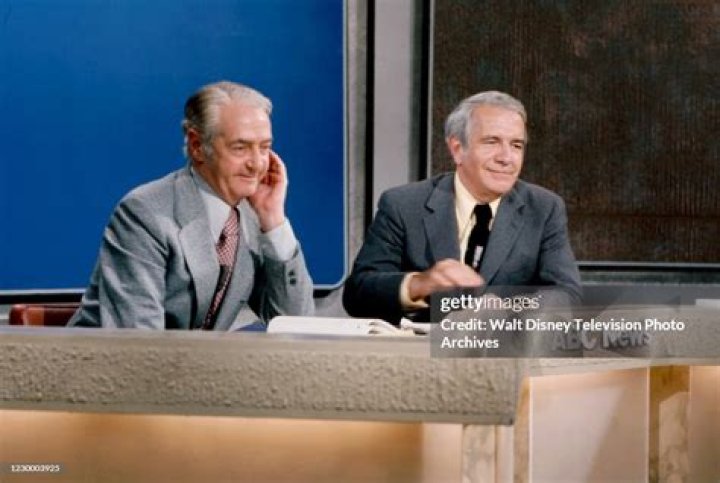
Richard Stark is the pseudonym of Donald Edwin Westlake (1933 - 2008), an American crime writer known for his hardboiled detective novels.
Stark's iconic character, Parker, is a professional thief who operates outside the law and often targets other criminals. Parker has been featured in over 20 novels by Stark, including "The Hunter" (1962) and "The Outfit" (1963).
Stark's writing style is characterized by its realism, violence, and dark humor. He is considered one of the most influential crime writers of the 20th century, and his work has been adapted into several films and television series.
Stark has also written under the pseudonyms Alan Grofield, John B. Allan, and Curt Clark.
Richard Stark
Richard Stark is the pseudonym of Donald Edwin Westlake (1933 - 2008), an American crime writer known for his hardboiled detective novels.
- Prolific: Westlake wrote over 100 novels under various pseudonyms, including Richard Stark.
- Influential: Stark's writing style and characters have influenced generations of crime writers.
- Realistic: Stark's novels are known for their gritty realism and unflinching portrayal of violence.
- Darkly Humorous: Despite the violence, Stark's novels often contain a dark sense of humor.
- Character-Driven: Stark's novels focus on the development of complex and flawed characters.
- Parker: Stark's most famous character is Parker, a professional thief who operates outside the law.
- Adaptations: Stark's novels have been adapted into several films and television series.
- Pseudonyms: Westlake also wrote under the pseudonyms Alan Grofield, John B. Allan, and Curt Clark.
- Legacy: Stark is considered one of the most important crime writers of the 20th century.
Stark's novels have been praised for their realism, violence, and dark humor. He is considered one of the most influential crime writers of the 20th century, and his work has been adapted into several films and television series.
| Name | Birth | Death |
|---|---|---|
| Donald Edwin Westlake | July 12, 1933 | December 31, 2008 |
Prolific
Donald E. Westlake was a prolific writer, publishing over 100 novels under various pseudonyms, including Richard Stark. The pseudonym Richard Stark is most closely associated with his hardboiled crime novels featuring the character Parker, a professional thief who operates outside the law. Westlake also wrote under the pseudonyms Alan Grofield, John B. Allan, and Curt Clark, each with their own distinct style and subject matter.
Westlake's use of pseudonyms allowed him to explore different genres and styles of writing without being constrained by the expectations associated with his own name. The Richard Stark pseudonym, in particular, became synonymous with his hardboiled crime novels, which are known for their gritty realism, violence, and dark humor. Westlake's ability to write under multiple pseudonyms allowed him to reach a wider audience and establish himself as a master of multiple genres.
Westlake's prolificacy and use of pseudonyms highlight the importance of versatility and adaptability in the writing world. By writing under different names, Westlake was able to experiment with different styles and genres, and reach a wider audience. His success demonstrates the value of being able to adapt to different writing styles and genres, and the importance of being able to connect with readers on multiple levels.
Influential
Richard Stark, the pseudonym of Donald E. Westlake, is widely recognized as one of the most influential crime writers of the 20th century. His hardboiled detective novels, featuring the iconic character Parker, have had a profound impact on the genre, shaping the way crime fiction is written and read.
Stark's writing style is characterized by its realism, violence, and dark humor. His novels are often set in the gritty underworld of crime, and his characters are complex and flawed individuals. Stark's ability to create believable and relatable characters, combined with his unflinching portrayal of violence, has earned him a reputation as a master of the crime genre.
Stark's influence on crime writing can be seen in the work of numerous contemporary crime writers, including Elmore Leonard, James Ellroy, and Dennis Lehane. These writers have all cited Stark as an inspiration, and his influence can be seen in their own writing styles and characters.
The enduring influence of Richard Stark's writing is a testament to his skill as a writer and his ability to create characters and stories that resonate with readers. His novels continue to be read and enjoyed by millions around the world, and his influence on the crime genre is likely to continue for many years to come.
Realistic
Richard Stark's novels are known for their gritty realism and unflinching portrayal of violence. This realism is evident in several aspects of his writing:
- Stark's characters are flawed and complex. They are not simply good or evil, but rather complex individuals with their own motivations and weaknesses. This realism makes his characters more relatable and believable.
- Stark's settings are often dark and dangerous. His novels are set in the underbelly of society, where violence and crime are commonplace. This setting helps to create a sense of realism and immersion for the reader.
- Stark's writing style is straightforward and unadorned. He uses simple language and short sentences to create a sense of immediacy and realism. This style helps to convey the gritty reality of his characters' world.
Stark's realism is one of the things that makes his novels so compelling. He does not shy away from the dark and violent aspects of life, but instead embraces them. This realism gives his novels a sense of authenticity and power that is unmatched by many other crime writers.
Darkly Humorous
Richard Stark's novels are known for their gritty realism and unflinching portrayal of violence. However, despite the violence, Stark's novels often contain a dark sense of humor. This humor is often used to highlight the absurdity of the criminal underworld and the futility of violence.
For example, in the novel "The Hunter" (1962), Parker is hired to kill a man who has stolen a large sum of money from a crime boss. Parker tracks down the man and kills him, but not before the man has a chance to spend some of the money on a lavish party. Parker is disgusted by the man's extravagance and the fact that he has wasted his life on meaningless pleasures. This scene is both violent and humorous, and it highlights the emptiness of the criminal lifestyle.
Stark's dark humor is also used to create a sense of detachment from the violence. By using humor, Stark is able to distance himself from the violence and make it more palatable for the reader. This allows the reader to experience the violence without being overwhelmed by it.
The dark humor in Richard Stark's novels is an important part of his writing style. It helps to create a sense of realism and immersion for the reader, and it also allows Stark to explore the absurdity and futility of violence.
Character-Driven
Richard Stark's novels are character-driven, meaning that the focus of the story is on the development of complex and flawed characters. This is in contrast to plot-driven stories, which focus on the action and events that drive the story forward.
- Complex Characters: Stark's characters are not simply good or evil, but rather complex individuals with their own motivations, strengths, and weaknesses. This makes them more relatable and believable to readers.
- Flawed Characters: Stark's characters are also flawed, which makes them even more realistic. They make mistakes, have bad habits, and are sometimes driven by their own selfish desires. This makes them more relatable to readers, who can see themselves in Stark's characters.
- Character Development: Stark's novels often focus on the development of his characters over time. We see them change and grow as they go through different experiences. This character development helps readers to connect with the characters on a deeper level.
The focus on character development is one of the things that sets Stark's novels apart from other crime fiction. His characters are not simply plot devices, but rather fully-developed individuals who drive the story forward. This makes his novels more engaging and memorable.
Parker
Richard Stark's most famous character is Parker, a professional thief who operates outside the law. Parker is a complex and enigmatic figure, driven by his own code of ethics and a desire for justice. He is a master of disguise and deception, and he is always one step ahead of the police.
Parker is a product of Stark's unique writing style and his own personal experiences. Stark was a master of the hardboiled crime genre, and his novels are known for their gritty realism and unflinching portrayal of violence. Parker is a reflection of Stark's own cynicism and his belief that the world is a dangerous place. However, Parker is also a symbol of hope, and he represents the possibility of redemption, even in the darkest of times.
Parker has been featured in over 20 novels by Stark, and he has also been adapted into several films and television series. He is one of the most iconic characters in crime fiction, and he continues to inspire and fascinate readers and viewers today.
Adaptations
The adaptations of Richard Stark's novels into films and television series have played a significant role in shaping the legacy and impact of his work.
Firstly, these adaptations have introduced Stark's characters and stories to a wider audience. The films and television series have reached millions of viewers who may not have otherwise encountered Stark's novels. This has helped to increase the popularity of Stark's work and has ensured that his characters and stories continue to be enjoyed by new generations of readers and viewers.
Secondly, the adaptations have helped to shape the public perception of Stark's work. The films and television series have often been praised for their faithfulness to Stark's novels, and they have helped to establish Stark as a major figure in the crime fiction genre. The adaptations have also helped to introduce Stark's work to new audiences, who may not have been familiar with his novels.
Thirdly, the adaptations have helped to create a lasting legacy for Stark's work. The films and television series have ensured that Stark's characters and stories will continue to be enjoyed by new generations of viewers. They have also helped to preserve Stark's work and to ensure that it will continue to be studied and enjoyed for many years to come.
In conclusion, the adaptations of Richard Stark's novels into films and television series have played a significant role in shaping the legacy and impact of his work. These adaptations have introduced Stark's characters and stories to a wider audience, have helped to shape the public perception of Stark's work, and have helped to create a lasting legacy for his work.
Pseudonyms
Richard Stark was one of the many pseudonyms used by Donald E. Westlake, an acclaimed American crime writer known for his gritty, hard-boiled novels. While each pseudonym represented a distinct facet of Westlake's writing style and subject matter, they all contributed to the overarching legacy of "Richard Stark" and his iconic character, Parker.
Westlake's use of pseudonyms allowed him to explore different genres and styles without being constrained by the expectations associated with his own name. Under the pseudonym Alan Grofield, he wrote humorous crime capers featuring the character Dortmunder. John B. Allan was used for more traditional mystery novels, while Curt Clark was employed for westerns. This versatility not only showcased Westlake's range as a writer but also allowed him to reach a wider audience.
The pseudonym "Richard Stark" became synonymous with Westlake's hard-boiled crime novels, which are characterized by their unflinching realism, violence, and dark humor. The character Parker, a professional thief operating outside the law, became one of the most iconic figures in crime fiction. The success of the Parker novels under the "Richard Stark" pseudonym solidified Westlake's reputation as a master of the genre.
Understanding the connection between "Richard Stark" and Westlake's other pseudonyms provides a deeper appreciation of his multifaceted talent and the strategic use of pseudonyms in the literary world. It highlights the importance of versatility, adaptability, and the ability to connect with readers on multiple levels.
Legacy
Richard Stark, the pseudonym of Donald E. Westlake, has left an indelible mark on the crime fiction genre. His gritty, hard-boiled novels, featuring the iconic character Parker, have earned him widespread recognition as one of the most influential crime writers of the 20th century.
- Literary Significance: Stark's novels are lauded for their exceptional literary merit. His ability to craft compelling characters, intricate plots, and evocative prose elevates his work beyond mere genre fiction, establishing it as a significant contribution to American literature.
- Genre-Defining: Stark's writing style and approach to crime fiction have profoundly shaped the genre. His unflinching realism, dark humor, and exploration of moral ambiguity have become hallmarks of hard-boiled crime writing, influencing countless subsequent authors.
- Cultural Impact: Stark's novels have resonated with readers and critics alike, transcending the boundaries of crime fiction to become cultural touchstones. His characters and stories have been adapted into numerous films, television shows, and other media, further solidifying his impact on popular culture.
- Enduring Appeal: Despite the passage of time, Stark's novels continue to be widely read and enjoyed by new generations of readers. His ability to capture the complexities of the human condition and explore timeless themes ensures the enduring appeal of his work.
In conclusion, Richard Stark's legacy as one of the most important crime writers of the 20th century is firmly established. His literary significance, genre-defining contributions, cultural impact, and enduring appeal have cemented his place in the pantheon of great American writers.
Frequently Asked Questions about Richard Stark
This section addresses common questions and misconceptions surrounding Richard Stark, the renowned crime fiction writer and creator of the iconic character Parker.
Question 1: Who is Richard Stark?
Answer: Richard Stark is the pseudonym of Donald E. Westlake, an American crime writer known for his hard-boiled, gritty novels featuring the professional thief Parker.
Question 2: What is Richard Stark's writing style?
Answer: Stark's writing style is characterized by its unflinching realism, dark humor, and exploration of moral ambiguity. His novels often delve into the complexities of the human condition and the criminal underworld.
Question 3: What is Richard Stark's most famous work?
Answer: Stark's most famous work is the series of novels featuring the character Parker, a professional thief who operates outside the law. These novels have been widely praised for their originality, suspense, and psychological depth.
Question 4: What are some of the recurring themes in Richard Stark's novels?
Answer: Stark's novels often explore themes of alienation, morality, and the nature of crime. His characters are often flawed and complex, struggling with their own inner demons and the harsh realities of the world around them.
Question 5: Has Richard Stark's work been adapted for other media?
Answer: Yes, several of Stark's novels have been adapted into films and television shows. Notable adaptations include "Point Blank" (1967), "The Outfit" (1973), and the television series "Parker" (2010).
Question 6: What is Richard Stark's legacy in the crime fiction genre?
Answer: Richard Stark is widely regarded as one of the most influential crime fiction writers of the 20th century. His work has had a profound impact on the genre, shaping the way crime fiction is written and perceived.
In summary, Richard Stark's distinctive writing style, compelling characters, and exploration of complex themes have established him as a master of crime fiction. His work continues to be enjoyed and studied by readers and scholars alike, solidifying his status as a literary icon.
Transition to the next article section:
Tips from Richard Stark
Richard Stark, the pseudonym of Donald E. Westlake, was a renowned crime fiction writer known for his gritty, hard-boiled novels featuring the iconic character Parker.
Here are some valuable tips inspired by Richard Stark's writing and insights:
Tip 1: Craft Compelling Characters
Stark's characters are complex, flawed, and deeply human. To create compelling characters, focus on developing their motivations, backstories, and inner conflicts. Give them strengths and weaknesses, and make them relatable to readers.
Tip 2: Embrace Realism
Stark's novels are known for their unflinching realism. Avoid romanticizing crime or glorifying violence. Instead, depict the harsh realities of the criminal underworld and the consequences of criminal actions.
Tip 3: Explore Moral Ambiguity
Stark's characters often operate in morally gray areas. Explore the complexities of good and evil, and avoid clear-cut distinctions between heroes and villains. This will add depth and nuance to your writing.
Tip 4: Use Dark Humor Sparingly
Stark's novels often incorporate dark humor, but it's used sparingly and effectively. Avoid excessive or gratuitous humor that undermines the serious tone of your writing. Instead, use humor to highlight the absurdity or irony of certain situations.
Tip 5: Write with Precision and Economy
Stark's writing is known for its precision and economy of language. Avoid unnecessary descriptions or flowery prose. Use clear and direct language to convey your ideas and create a sense of immediacy.
Tip 6: Develop a Distinctive Voice
Stark's writing has a unique and distinctive voice. Develop your own writing style that sets you apart from others. Experiment with different techniques, such as rhythm, pacing, and tone, to find your own voice.
Incorporating these tips into your writing can help you create compelling crime fiction that resonates with readers. By studying Richard Stark's work, you can learn from a master of the genre and elevate your own writing to new heights.
Conclusion
Richard Stark, the pseudonym of Donald E. Westlake, has left an indelible mark on the crime fiction genre. His gritty, hard-boiled novels, featuring the iconic character Parker, have earned him widespread recognition as one of the most influential crime writers of the 20th century.
Stark's novels are characterized by their unflinching realism, dark humor, and exploration of moral ambiguity. He crafted compelling characters, intricate plots, and evocative prose that transcended mere genre fiction and established him as a significant contributor to American literature.
Stark's legacy extends beyond his literary contributions. His writing style and approach to crime fiction have profoundly shaped the genre, influencing countless subsequent authors. His work continues to be widely read and enjoyed, captivating new generations of readers with its timeless themes and enduring appeal.
Uncovering Dmitry Bivol's Net Worth In 2023: Discoveries And Insights
Unveiling Notehall's Net Worth: Discoveries And Insights
Unveil The Secrets: Gavin Casalegno's Net Worth Explored