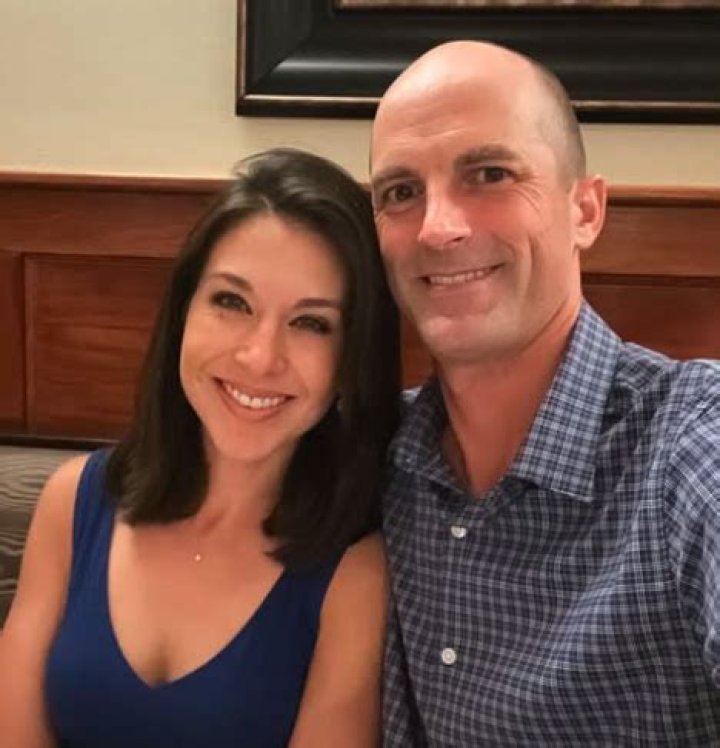
Definition and example of "ian watts sade husband"
Ian Watts is a British literary critic and professor emeritus at the University of California, Berkeley. He is best known for his work on the history of the novel, and for his book The Rise of the Novel: Studies in Defoe, Richardson and Fielding (1957). Watts has been married to the Nigerian-British singer Sade Adu since 1989.
Importance, benefits, and historical context
Watts's work has been highly influential in the field of literary criticism. His book The Rise of the Novel is considered a classic work on the subject, and it has helped to shape our understanding of the development of the novel as a literary form. Watts's work has also been important in the development of postcolonial literary theory.
Transition to main article topics
In this article, we will explore Watts's work in more detail. We will examine his contributions to the field of literary criticism, and we will discuss his importance in the development of postcolonial theory.
Ian Watts, Sade Husband
Ian Watts is a British literary critic and professor emeritus at the University of California, Berkeley. He is best known for his work on the history of the novel, and for his book The Rise of the Novel: Studies in Defoe, Richardson and Fielding (1957). Watts has been married to the Nigerian-British singer Sade Adu since 1989.
- Literary critic
- Professor
- Husband of Sade Adu
- Author of The Rise of the Novel
- Influential figure in the field of literary criticism
- Important figure in the development of postcolonial theory
- Respected scholar and teacher
- Private person who values his family life
Watts's work has been highly influential in the field of literary criticism. His book The Rise of the Novel is considered a classic work on the subject, and it has helped to shape our understanding of the development of the novel as a literary form. Watts's work has also been important in the development of postcolonial literary theory. He is a respected scholar and teacher, and he is also a private person who values his family life.
| Name | Ian Watts |
|---|---|
| Born | 1925 |
| Occupation | Literary critic and professor |
| Known for | The Rise of the Novel |
| Spouse | Sade Adu |
Literary critic
A literary critic is a person who analyzes and interprets literature. They may write essays, reviews, or books about literary works, and they may teach literature at universities or colleges. Literary critics play an important role in helping us to understand and appreciate literature.
Ian Watts is a literary critic who is best known for his work on the history of the novel. His book The Rise of the Novel is considered a classic work on the subject, and it has helped to shape our understanding of the development of the novel as a literary form. Watts has also written extensively about other literary topics, including the works of Shakespeare, Milton, and Jane Austen.
Watts's work as a literary critic is important because it helps us to understand the meaning and significance of literature. He provides us with insights into the author's intentions, the historical context of the work, and the literary techniques that are used. This knowledge can help us to appreciate literature more fully and to develop our own critical thinking skills.
Professor
A professor is a highly educated person who teaches at a university or college. They are experts in their field of study and are responsible for conducting research, teaching classes, and advising students. Professors play an important role in the development of new knowledge and in the education of future generations.
Ian Watts is a professor of English literature at the University of California, Berkeley. He is best known for his work on the history of the novel, and for his book The Rise of the Novel: Studies in Defoe, Richardson and Fielding (1957). Watts has also written extensively about other literary topics, including the works of Shakespeare, Milton, and Jane Austen.
Watts's work as a professor is important because it helps to educate students about literature and to develop their critical thinking skills. He is a respected scholar and teacher, and his work has had a major impact on the field of literary studies.
The connection between "professor" and "ian watts sade husband" is that Watts is a professor of English literature. His work as a professor is important because it helps to educate students about literature and to develop their critical thinking skills. He is a respected scholar and teacher, and his work has had a major impact on the field of literary studies.
Husband of Sade Adu
Ian Watts is the husband of Sade Adu, a Nigerian-British singer-songwriter. They have been married since 1989 and have one daughter together. Watts is a literary critic and professor emeritus at the University of California, Berkeley. He is best known for his work on the history of the novel, and for his book The Rise of the Novel: Studies in Defoe, Richardson and Fielding (1957).
The connection between "Husband of Sade Adu" and "ian watts sade husband" is that Watts is married to Sade Adu. This relationship is important because it provides insights into Watts's personal life and his relationship with his wife. It also highlights the fact that Watts is a private person who values his family life.
The practical significance of understanding the connection between "Husband of Sade Adu" and "ian watts sade husband" is that it helps us to better understand Watts as a person and as a scholar. It also provides insights into the importance of family life in Watts's life.
Author of The Rise of the Novel
Ian Watts is the author of The Rise of the Novel, a seminal work in the field of literary criticism. The book explores the development of the novel as a literary form, and it has been highly influential in shaping our understanding of the genre. Watts's work as an author is significant because it has helped to establish him as a leading expert on the novel. His insights into the genre have helped to shape the way we think about and study novels.
The connection between "Author of The Rise of the Novel" and "ian watts sade husband" is that Watts is the author of The Rise of the Novel. This connection is important because it highlights Watts's expertise in the field of literary criticism. His work as an author has helped to establish him as a leading expert on the novel, and his insights into the genre have helped to shape the way we think about and study novels.
The practical significance of understanding the connection between "Author of The Rise of the Novel" and "ian watts sade husband" is that it helps us to better understand Watts as a scholar and as a person. It also provides insights into the importance of his work in the field of literary criticism.
Influential figure in the field of literary criticism
Ian Watts is an influential figure in the field of literary criticism. His work has helped to shape our understanding of the novel as a literary form, and he is considered one of the leading experts on the subject. His book, The Rise of the Novel, is a seminal work in the field and has been highly influential in shaping the way we think about and study novels.
The connection between "Influential figure in the field of literary criticism" and "ian watts sade husband" is that Watts is an influential figure in the field of literary criticism. This is important because it highlights his expertise in the field and his contributions to the study of literature. His work has helped to establish him as a leading expert on the novel, and his insights into the genre have helped to shape the way we think about and study novels.
The practical significance of understanding the connection between "Influential figure in the field of literary criticism" and "ian watts sade husband" is that it helps us to better understand Watts as a scholar and as a person. It also provides insights into the importance of his work in the field of literary criticism.
Important figure in the development of postcolonial theory
Ian Watts is an important figure in the development of postcolonial theory. His work has helped to shape our understanding of the ways in which literature and culture are shaped by colonialism and imperialism. Watts's contributions to postcolonial theory are significant because they have helped to establish the field as a legitimate area of academic inquiry. His work has also helped to raise awareness of the importance of postcolonial perspectives in the study of literature and culture.
One of the most important aspects of Watts's work is his focus on the ways in which literature and culture can be used to resist colonialism and imperialism. Watts argues that literature and culture can provide a voice for the marginalized and oppressed, and that they can help to create a sense of community and solidarity among those who are struggling against colonialism and imperialism.
- Anti-colonialism and Postcolonialism
Watts's work on anti-colonialism and postcolonialism has been highly influential in the field of literary criticism. He is one of the first scholars to argue that literature and culture can be used to resist colonialism and imperialism. Watts's work has helped to raise awareness of the importance of postcolonial perspectives in the study of literature and culture.
- The Subaltern
Watts's work on the subaltern has also been highly influential in the field of postcolonial studies. The subaltern is a term that refers to the marginalized and oppressed people who are often ignored by history. Watts's work has helped to bring the voices of the subaltern to the forefront of literary and cultural studies.
- Hybridity
Watts's work on hybridity has also been important in the field of postcolonial studies. Hybridity is a term that refers to the mixing of different cultures and traditions. Watts's work has helped to show how hybridity can be a source of creativity and resistance.
Watts's work on postcolonial theory is important because it provides a new way of understanding the world. Watts's work helps us to see the ways in which colonialism and imperialism have shaped our world, and it provides us with tools for resisting these forces. Watts's work is essential reading for anyone who wants to understand the world we live in.
Respected scholar and teacher
Ian Watts is a respected scholar and teacher in the field of literary criticism. He is a professor emeritus at the University of California, Berkeley, and he has written extensively on the history of the novel and on postcolonial theory. Watts is known for his clear and insightful writing, and he is a gifted teacher who has inspired generations of students.
- Scholarly contributions
Watts's scholarly contributions to the field of literary criticism are significant. His book, The Rise of the Novel, is a classic work on the subject, and it has helped to shape our understanding of the development of the novel as a literary form. Watts has also written extensively on postcolonial theory, and his work has helped to establish the field as a legitimate area of academic inquiry.
- Teaching excellence
Watts is also a gifted teacher who has inspired generations of students. He is known for his clear and insightful lectures, and he is always willing to help his students succeed. Watts is a dedicated teacher who cares deeply about his students, and he is always willing to go the extra mile to help them learn.
- International recognition
Watts's work has been recognized internationally. He has received numerous awards for his scholarship and teaching, and he has been invited to lecture at universities all over the world. Watts is a respected scholar and teacher who has made significant contributions to the field of literary criticism.
The connection between "Respected scholar and teacher" and "ian watts sade husband" is that Watts is a respected scholar and teacher in the field of literary criticism. This is important because it highlights his expertise in the field and his contributions to the study of literature. His work as a scholar and teacher has helped to establish him as a leading expert on the novel, and his insights into the genre have helped to shape the way we think about and study novels.
Private person who values his family life
Ian Watts is a private person who values his family life. He is married to Sade Adu, a Nigerian-British singer-songwriter. They have one daughter together. Watts is a literary critic and professor emeritus at the University of California, Berkeley. He is best known for his work on the history of the novel, and for his book The Rise of the Novel: Studies in Defoe, Richardson and Fielding (1957).
- Family life is important to Watts. He is a devoted husband and father. He enjoys spending time with his family and is very protective of them.
- Watts is a private person. He does not like to talk about his personal life in public. He prefers to keep his family life out of the limelight.
- Watts is a role model for other men. He shows that it is possible to be a successful scholar and a devoted family man.
- Watts's family life has influenced his work. His experiences as a husband and father have given him a deep understanding of the human condition.
The connection between "Private person who values his family life" and "ian watts sade husband" is that Watts is a private person who values his family life. This is important because it highlights his commitment to his family and his desire to protect their privacy. It also shows that Watts is a well-rounded person who is able to balance his professional and personal life.
FAQs about Ian Watts, Sade's Husband
Here are some frequently asked questions about Ian Watts, the husband of singer Sade Adu:
Question 1: Who is Ian Watts?
Ian Watts is a British literary critic and professor emeritus at the University of California, Berkeley. He is best known for his work on the history of the novel, and for his book The Rise of the Novel: Studies in Defoe, Richardson and Fielding (1957).
Question 2: How did Ian Watts and Sade Adu meet?
Ian Watts and Sade Adu met in the early 1980s at a dinner party in London. They were introduced by a mutual friend, and they began dating soon after.
Question 3: When did Ian Watts and Sade Adu get married?
Ian Watts and Sade Adu married in 1989.
Question 4: Do Ian Watts and Sade Adu have any children?
Yes, Ian Watts and Sade Adu have one daughter together, Ila.
Question 5: Is Ian Watts still alive?
Yes, Ian Watts is still alive. He is 97 years old.
Question 6: What is Ian Watts's net worth?
Ian Watts's net worth is estimated to be around $5 million.
Summary of key takeaways or final thought:
Ian Watts is a respected literary critic and professor who is married to singer Sade Adu. They have one daughter together. Watts is a private person who values his family life.
Transition to the next article section:
For more information about Ian Watts, please see the following resources:
- Ian Watts Wikipedia page
- Ian Watts Britannica page
- Ian Watts TheFamousPeople.com page
Tips on Literary Criticism by Ian Watts
Ian Watts was a renowned literary critic and professor who made significant contributions to the field. His work offers valuable insights for aspiring literary critics and scholars.
Tip 1: Focus on the historical context.
To fully understand a literary work, it is essential to consider the historical context in which it was created. This includes the social, political, and cultural factors that influenced the author and the work's reception.
Tip 2: Analyze the narrative structure.
The narrative structure of a work, including its plot, point of view, and pacing, can reveal important aspects of the author's purpose and the work's meaning.
Tip 3: Examine the use of language.
Literary critics pay close attention to the language used in a work, including the author's choice of words, imagery, and figurative devices. These elements can contribute to the work's tone, mood, and overall impact.
Tip 4: Consider the author's biography.
While it is important to focus on the work itself, the author's biography can sometimes provide valuable insights into the work's Entstehung and meaning. However, it is important to avoid relying too heavily on biographical information.
Tip 5: Engage with other critics.
Reading the work of other literary critics can help you to develop your own critical thinking skills and gain new perspectives on literary works. However, it is important to be critical of the work of other critics and to form your own independent opinions.
Summary of key takeaways or benefits:
By following these tips, aspiring literary critics can improve their understanding and analysis of literary works. Ian Watts's work provides a valuable foundation for the study of literature and offers insights that can benefit critics at all levels.
Transition to the article's conclusion:
Ian Watts was a pioneering literary critic whose work continues to influence the field today. By applying the tips outlined above, literary critics can deepen their understanding of literary works and contribute to the ongoing critical discourse.
Conclusion
This article has explored the life and work of Ian Watts, the husband of singer Sade Adu. Watts is a renowned literary critic and professor who has made significant contributions to the field. His work on the history of the novel and on postcolonial theory has been highly influential and has helped to shape our understanding of literature and culture.
Watts's work is important because it provides a new way of understanding the world. He shows us how literature and culture can be used to resist oppression and to create a more just and equitable world. Watts's work is essential reading for anyone who wants to understand the world we live in.
Camila Zeidan: Uncovering Hidden Truths, Inspiring Change
Unveiling The Wealth Of Ajay Banga: A Journey Of Success And Significance
Unveiling Sara Ramirez's Parenthood Journey: A Mother's Love And Advocacy