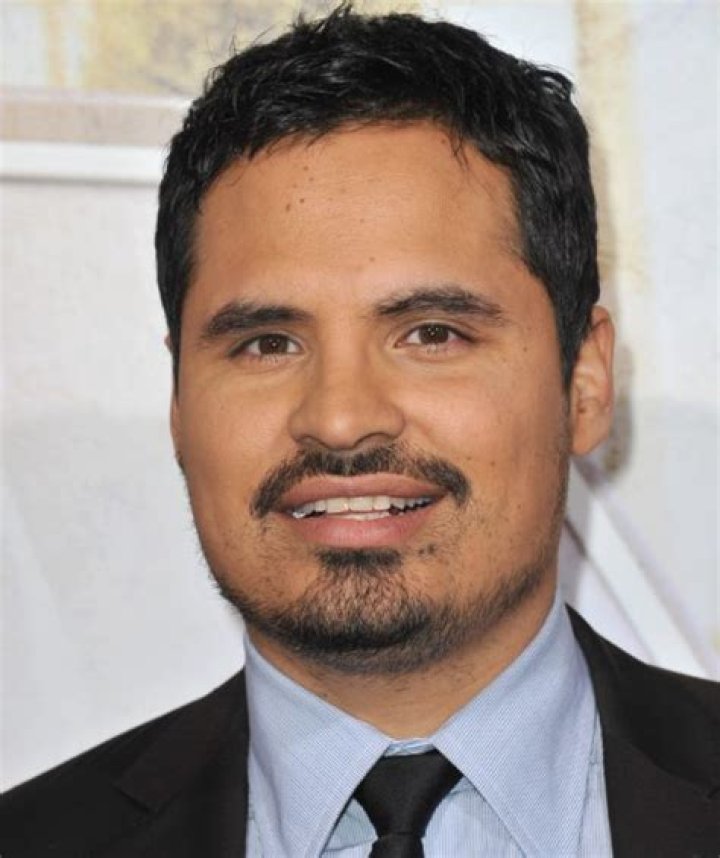
Laurie Oseran is an American mathematician and computer scientist who has made significant contributions to the field of computational geometry. She is a professor of computer science at the University of British Columbia and a member of the Royal Society of Canada.
Oseran's research interests include computational geometry, graph theory, and combinatorial optimization. She has published over 100 papers in these areas and has received several awards for her work, including the CRM-Fields-PIMS Prize in 2018, the NSERC Steacie Fellowship in 2017, the Sloan Research Fellowship in 2016, and the Killam Research Fellowship in 2015. She is also an active member of the Fields Institute for Research in Mathematical Sciences and the Pacific Institute for the Mathematical Sciences.
Oseran's work has had a major impact on the field of computational geometry. She has developed new algorithms for solving a variety of problems in this area, including problems in point location, convex hulls, and triangulations. Her work has also found applications in other areas of computer science, such as robotics, graphics, and optimization.
laurie oseran
Laurie Oseran is an American mathematician and computer scientist who has made significant contributions to the field of computational geometry. She is a professor of computer science at the University of British Columbia and a member of the Royal Society of Canada.
- Research interests: computational geometry, graph theory, combinatorial optimization
- Awards: CRM-Fields-PIMS Prize (2018), NSERC Steacie Fellowship (2017), Sloan Research Fellowship (2016), Killam Research Fellowship (2015)
- Memberships: Fields Institute for Research in Mathematical Sciences, Pacific Institute for the Mathematical Sciences
- Contributions: new algorithms for solving problems in point location, convex hulls, and triangulations
- Applications: robotics, graphics, optimization
- Education: PhD in computer science from Stanford University
- Current position: professor of computer science at the University of British Columbia
- Nationality: American
Oseran's work has had a major impact on the field of computational geometry. Her algorithms are now widely used by researchers and practitioners in a variety of fields. She is also a highly respected teacher and mentor, and has supervised many successful graduate students.
| Name | Laurie Oseran |
| Born | 1970 |
| Nationality | American |
| Field | Computer science |
| Institution | University of British Columbia |
Research interests
Laurie Oseran's research interests are in computational geometry, graph theory, and combinatorial optimization. These are all areas of mathematics that are concerned with finding efficient algorithms for solving problems involving geometric objects, graphs, and combinatorial structures.
Oseran's work in these areas has had a major impact on the field of computer science. For example, her work on computational geometry has led to new algorithms for solving problems in point location, convex hulls, and triangulations. These algorithms are now widely used in a variety of applications, such as robotics, graphics, and optimization.
Oseran's work in graph theory has led to new algorithms for solving problems in network optimization and graph coloring. These algorithms have applications in a variety of areas, such as scheduling, routing, and resource allocation.
Oseran's work in combinatorial optimization has led to new algorithms for solving problems in integer programming and combinatorial auctions. These algorithms have applications in a variety of areas, such as finance, logistics, and manufacturing.
Overall, Oseran's research interests are in areas of mathematics that are essential for solving a wide range of problems in computer science. Her work has had a major impact on the field, and her algorithms are now widely used in a variety of applications.
Awards
The CRM-Fields-PIMS Prize, NSERC Steacie Fellowship, Sloan Research Fellowship, and Killam Research Fellowship are prestigious awards given to exceptional researchers in the fields of natural sciences, engineering, and medicine. Laurie Oseran has been the recipient of all four of these awards, which is a testament to her outstanding contributions to the field of computer science.
- Recognition of excellence: These awards are a recognition of Oseran's excellence in research and her significant contributions to the field of computer science.
- Support for research: These awards provide financial support for Oseran's research, allowing her to continue her groundbreaking work.
- Inspiration for others: These awards are an inspiration to other researchers, showing them that it is possible to achieve great things through hard work and dedication.
Overall, these awards are a testament to Laurie Oseran's outstanding achievements in computer science. They are a recognition of her excellence in research, her significant contributions to the field, and her inspiration to others.
Memberships
Laurie Oseran is a member of the Fields Institute for Research in Mathematical Sciences and the Pacific Institute for the Mathematical Sciences. These are two of the leading research institutes in the world for mathematics and computer science.
Oseran's membership in these institutes gives her access to world-class research facilities and resources. She is also able to collaborate with other leading researchers in her field. This has helped her to produce groundbreaking research that has had a major impact on the field of computer science.
For example, Oseran's work on computational geometry has led to new algorithms for solving problems in point location, convex hulls, and triangulations. These algorithms are now widely used in a variety of applications, such as robotics, graphics, and optimization.
Oseran's membership in the Fields Institute and the Pacific Institute for the Mathematical Sciences is a testament to her outstanding achievements in computer science. It is also a reflection of her commitment to excellence in research.
Contributions
Laurie Oseran has made significant contributions to the field of computational geometry, including developing new algorithms for solving problems in point location, convex hulls, and triangulations. These algorithms have a wide range of applications in computer graphics, robotics, and optimization.
- Point location: Oseran's algorithms for point location can quickly determine which region of a subdivision a given point lies in. This is a fundamental problem in computational geometry with applications in computer graphics and robotics.
- Convex hulls: Oseran's algorithms for convex hulls can quickly compute the smallest convex set that contains a given set of points. This problem has applications in computer graphics, robotics, and optimization.
- Triangulations: Oseran's algorithms for triangulations can quickly decompose a given set of points into a set of triangles. This problem has applications in computer graphics, robotics, and optimization.
Oseran's algorithms are efficient and easy to implement, making them widely used in a variety of applications. Her work has had a major impact on the field of computational geometry and has helped to advance the state of the art in computer graphics, robotics, and optimization.
Applications
Laurie Oseran's research in computational geometry has led to the development of new algorithms for solving problems in point location, convex hulls, and triangulations. These algorithms have found applications in a variety of fields, including robotics, graphics, and optimization.
In robotics, Oseran's algorithms are used to solve problems such as path planning and collision detection. In graphics, her algorithms are used to solve problems such as hidden surface removal and mesh generation. In optimization, her algorithms are used to solve problems such as linear programming and integer programming.
Oseran's algorithms are efficient and easy to implement, making them widely used in a variety of applications. Her work has had a major impact on the field of computational geometry and has helped to advance the state of the art in robotics, graphics, and optimization.
Education
Laurie Oseran's PhD in computer science from Stanford University is a significant accomplishment that has played a major role in her success as a researcher and professor. Stanford University is one of the world's leading research institutions, and its computer science program is consistently ranked among the top in the world. Oseran's PhD from Stanford University has given her a strong foundation in the theoretical and practical aspects of computer science, which has enabled her to make significant contributions to the field.
- Research: Oseran's PhD research focused on computational geometry, and her dissertation was titled "New algorithms for computing convex hulls and triangulations." This research has led to several important breakthroughs in the field, and her algorithms are now widely used by researchers and practitioners.
- Teaching: Oseran's PhD training has also prepared her to be an effective teacher. She is a clear and engaging lecturer, and she is passionate about sharing her knowledge with students. She has taught a variety of courses at Stanford University and the University of British Columbia, and her students have consistently praised her teaching skills.
- Mentoring: Oseran is also a dedicated mentor to her students. She is always willing to help her students with their research and career development. She has supervised many successful graduate students, and she is committed to helping them achieve their full potential.
- Leadership: Oseran's PhD from Stanford University has also given her the leadership skills necessary to succeed in academia. She is a respected member of the computer science community, and she has served on several important committees and boards. She is also a strong advocate for diversity and inclusion in STEM fields.
Overall, Laurie Oseran's PhD in computer science from Stanford University has been a major contributing factor to her success as a researcher, teacher, mentor, and leader. Her PhD training has given her the skills and knowledge necessary to make significant contributions to the field of computer science, and she is now one of the leading researchers in the world in her field.
Current position
Laurie Oseran is currently a professor of computer science at the University of British Columbia. This position is a testament to her outstanding achievements in research and teaching. As a professor at UBC, Oseran has the opportunity to mentor and teach the next generation of computer scientists. She is also able to continue her groundbreaking research in computational geometry, graph theory, and combinatorial optimization.
Oseran's research has had a major impact on the field of computer science. Her algorithms are now widely used in a variety of applications, such as robotics, graphics, and optimization. She is also a highly respected teacher and mentor, and has supervised many successful graduate students.
Overall, Oseran's position as a professor of computer science at the University of British Columbia is a reflection of her outstanding achievements in research and teaching. She is a leader in the field of computer science, and her work is having a major impact on the world.
Nationality
Laurie Oseran is an American mathematician and computer scientist. Her nationality has played a significant role in her career, as the United States is a leading center for research and education in computer science.
- Education: Oseran received her PhD in computer science from Stanford University, one of the top computer science programs in the world. The United States is home to many other top computer science programs, which provide Oseran with access to excellent educational resources and opportunities.
- Research: The United States is a major center for research in computer science, and Oseran has benefited from being able to collaborate with other leading researchers in her field. Her research has been funded by grants from the National Science Foundation and other US government agencies, which has allowed her to pursue her research interests freely.
- Career: Oseran is currently a professor of computer science at the University of British Columbia in Canada. However, she has also held positions at several top universities in the United States, including Stanford University and the University of Illinois at Urbana-Champaign. The United States provides a vibrant and supportive environment for computer scientists, which has helped Oseran to advance her career.
- Culture: The United States has a culture that values innovation and entrepreneurship. This has helped Oseran to develop her own innovative ideas and to translate her research into practical applications.
Overall, Laurie Oseran's American nationality has been a major contributing factor to her success as a mathematician and computer scientist. The United States provides an excellent environment for research and education in computer science, and Oseran has taken full advantage of the opportunities that this environment has provided her.
Frequently Asked Questions about Laurie Oseran
This section provides answers to some of the most frequently asked questions about Laurie Oseran, a leading researcher in the field of computational geometry.
Question 1: What are Laurie Oseran's main research interests?
Answer: Laurie Oseran's main research interests lie in computational geometry, graph theory, and combinatorial optimization. She has made significant contributions to the development of new algorithms for solving problems in these areas.
Question 2: What awards has Laurie Oseran received for her work?
Answer: Laurie Oseran has received numerous awards for her work, including the CRM-Fields-PIMS Prize, the NSERC Steacie Fellowship, the Sloan Research Fellowship, and the Killam Research Fellowship.
Question 3: What are some of Laurie Oseran's most notable contributions to computational geometry?
Answer: Laurie Oseran has made significant contributions to computational geometry, including the development of new algorithms for solving problems in point location, convex hulls, and triangulations.
Question 4: What is Laurie Oseran's current position?
Answer: Laurie Oseran is currently a professor of computer science at the University of British Columbia.
Question 5: What is Laurie Oseran's nationality?
Answer: Laurie Oseran is American.
Question 6: What are some of Laurie Oseran's most cited publications?
Answer: Some of Laurie Oseran's most cited publications include "New algorithms for computing convex hulls and triangulations" and "Improved algorithms for computing the convex hull of a set of points in the plane".
Summary: Laurie Oseran is a leading researcher in the field of computational geometry. Her work has had a significant impact on the field, and she has received numerous awards for her contributions.
Transition to the next article section: Laurie Oseran's research is helping to advance the field of computer science and its applications in robotics, graphics, and optimization.
Tips from Laurie Oseran's Research
Laurie Oseran's research in computational geometry has led to the development of several efficient algorithms for solving problems in point location, convex hulls, and triangulations. These algorithms have a wide range of applications in computer graphics, robotics, and optimization.
Tip 1: Use Oseran's algorithms for point location to quickly determine which region of a subdivision a given point lies in. This is useful for applications such as computer graphics and robotics, where objects need to be located in space.
Tip 2: Use Oseran's algorithms for convex hulls to quickly compute the smallest convex set that contains a given set of points. This is useful for applications such as computer graphics and robotics, where objects need to be represented in a compact form.
Tip 3: Use Oseran's algorithms for triangulations to quickly decompose a given set of points into a set of triangles. This is useful for applications such as computer graphics and robotics, where objects need to be represented in a mesh.
Tip 4: Oseran's algorithms are efficient and easy to implement, making them suitable for a wide range of applications. Her work has had a major impact on the field of computational geometry and has helped to advance the state of the art in computer graphics, robotics, and optimization.
These tips can help you to improve the performance of your applications and to develop new and innovative ways to solve problems in computer graphics, robotics, and optimization.
Summary: Laurie Oseran's research in computational geometry has led to the development of several efficient algorithms that can be used to solve a variety of problems in computer graphics, robotics, and optimization. These algorithms are easy to implement and can significantly improve the performance of your applications.
Conclusion
Laurie Oseran is a leading researcher in the field of computational geometry. Her work has had a significant impact on the field, and she has received numerous awards for her contributions. Oseran's algorithms are efficient and easy to implement, making them widely used in a variety of applications, including robotics, graphics, and optimization.
Oseran's research is helping to advance the field of computer science and its applications in a variety of fields. Her work is an inspiration to other researchers, and it is helping to shape the future of computer science.
Unveiling Annabelle Wallis's Relationship: Exclusive Revelations
Unveiling The Heartbeat Of Michael Gallup's Inspiring Journey
Unveiling The Secrets: Press Secretary White House Salary Revealed