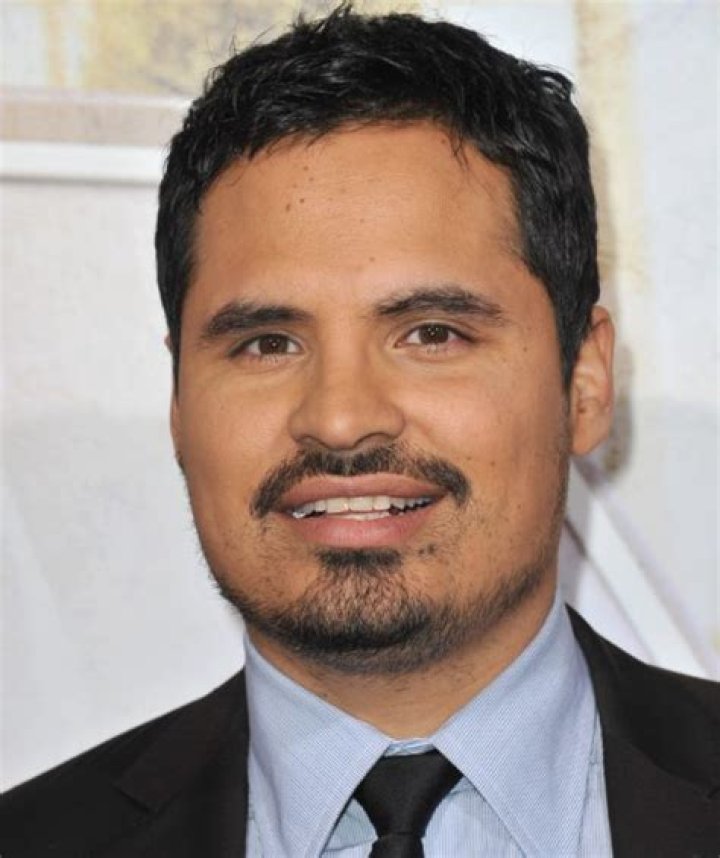
Romeo Baca is widely recognized as a pioneer in the field of environmental justice and a tireless advocate for marginalized communities disproportionately affected by environmental pollution.
As early as the 1970s, Baca was actively involved in organizing local residents to address environmental concerns in Southwest Denver, a predominantly Latino neighborhood. His efforts were instrumental in bringing national attention to the issue of environmental racism and the need for equitable environmental protection. Baca's work has since expanded to encompass broader environmental and social justice issues, including climate change and sustainable development.
Baca's unwavering commitment to environmental justice has earned him numerous accolades, including the prestigious Goldman Environmental Prize in 2004 and the MacArthur Foundation "genius" grant in 2009. His tireless advocacy has not only improved the lives of countless individuals and communities but has also helped shape environmental policies at the local, state, and national levels.
Romeo Baca
Romeo Baca, a renowned environmental justice advocate and community organizer, has dedicated his life to fighting for the rights of marginalized communities disproportionately affected by environmental pollution. Baca's work encompasses a wide range of key aspects:
- Environmental racism
- Climate justice
- Community organizing
- Policy advocacy
- Environmental health
- Sustainable development
- Social justice
- Human rights
Baca's unwavering commitment to environmental justice has not only improved the lives of countless individuals and communities but has also helped shape environmental policies at the local, state, and national levels. His work has been recognized with numerous prestigious awards, including the Goldman Environmental Prize and the MacArthur Foundation "genius" grant.
Environmental Racism
Environmentalracism refers to the disproportionate impact of environmental hazards on marginalized communities, often due to systemic racism and discrimination. Romeo Baca has been at the forefront of the fight against environmental racism for decades, advocating for environmental justice and the rights of communities of color.
- Unequal Exposure to Pollution:
Communities of color are more likely to live near polluting industries, landfills, and other sources of environmental hazards. This is often due to historical patterns of redlining and other discriminatory practices that have segregated communities based on race.
- Lack of Access to Environmental Amenities:
Marginalized communities often have less access to green spaces, parks, and other environmental amenities that can provide physical and mental health benefits. This lack of access can contribute to health disparities and lower quality of life.
- Climate Change Impacts:
Climate change is expected to disproportionately impact communities of color, who are more likely to live in areas vulnerable to sea-level rise, flooding, and other climate-related disasters. Baca has been a strong advocate for climate justice, working to ensure that environmental protection efforts prioritize the needs of marginalized communities.
- Community Organizing and Advocacy:
Baca has played a critical role in organizing and empowering communities of color to advocate for environmental justice. Through his work with organizations such as the Southwest Organizing Project (SWOP), Baca has helped communities develop the skills and knowledge necessary to hold polluters accountable and shape environmental policies.
Baca's work on environmental racism has helped raise awareness of this critical issue and has led to concrete improvements in the lives of countless people. He continues to be a leading voice in the fight for environmental justice and a powerful example of how one person can make a difference.
Climate Justice
Climate justice is a term used to describe the fair and equitable distribution of the benefits and burdens of climate change. It recognizes that climate change has a disproportionate impact on marginalized communities, who are often the least responsible for causing the problem but who suffer the most from its consequences.
- Recognition of Historical Injustice: Climate justice acknowledges the historical injustices that have contributed to the disproportionate vulnerability of marginalized communities to climate change. These injustices include colonialism, slavery, and ongoing systemic racism and discrimination.
- Equity and Inclusion: Climate justice calls for equity and inclusion in climate change decision-making and policymaking. This means ensuring that the voices and needs of marginalized communities are heard and that their priorities are taken into account.
- Just Transition: Climate justice advocates for a just transition to a clean energy economy that leaves no one behind. This means providing support and resources to workers and communities that are impacted by the transition to renewable energy.
- Reparations and Liability: Climate justice recognizes the need for reparations and liability for the historical and ongoing harms caused by climate change. This includes holding corporations and governments accountable for their role in causing climate change and providing compensation to communities that have been impacted.
Romeo Baca has been a leading voice in the climate justice movement for decades. He has worked tirelessly to raise awareness of the disproportionate impact of climate change on marginalized communities and to advocate for policies that promote equity and justice. Baca's work has helped to shape the climate justice movement and has made a real difference in the lives of countless people.
Community Organizing
Community organizing is a powerful tool for social change that involves mobilizing people to take collective action to address issues that affect their lives. Romeo Baca has been a leading figure in the community organizing movement for decades, using it as a strategy to fight for environmental justice and empower marginalized communities.
- Building Power:
Community organizing helps build collective power among community members, enabling them to advocate for their needs and hold decision-makers accountable. Baca has used community organizing to mobilize residents in Southwest Denver to address environmental pollution and secure environmental protections for their community.
- Raising Awareness:
Community organizing raises awareness about important issues and helps to educate the public. Baca's work has helped to raise awareness about environmental racism and the disproportionate impact of pollution on communities of color.
- Developing Leadership:
Community organizing develops leadership skills among community members, empowering them to take ownership of their struggles and work towards solutions. Baca has been instrumental in developing the leadership of community organizers and environmental justice advocates, particularly among women and people of color.
- Creating Change:
Community organizing can lead to concrete changes in policies and practices. Baca's work has helped to secure environmental protections, improve housing conditions, and expand access to healthcare for marginalized communities.
Romeo Baca's commitment to community organizing has made a real difference in the lives of countless people. His work has helped to build a more just and equitable society and has inspired a new generation of activists to fight for social change.
Policy Advocacy
Policy advocacy is a critical component of Romeo Baca's work for environmental justice. He believes that systemic change can only be achieved through changes in policies and laws. Baca has been involved in policy advocacy at the local, state, and national levels, working to shape policies that protect the environment and the health of marginalized communities.
One of Baca's most notable policy advocacy achievements was his work on the Clean Air Act. In the 1970s, Baca and other activists successfully lobbied for amendments to the Clean Air Act that required the Environmental Protection Agency (EPA) to set national air quality standards. These standards have helped to reduce air pollution and improve public health, particularly in communities that are disproportionately impacted by air pollution.
Baca has also been a strong advocate for climate justice. He has worked to ensure that climate change policies prioritize the needs of marginalized communities and that these communities have a voice in decision-making. Baca's policy advocacy work has helped to shape climate change policies at the local, state, and national levels, including the Paris Agreement on climate change.
Policy advocacy is a powerful tool for social change, and Romeo Baca has used it effectively to improve the lives of countless people. His work has helped to create a more just and equitable society and has inspired a new generation of activists to fight for environmental justice.
Environmental health
Environmental health encompasses the study and practice of protecting human health from environmental hazards. Romeo Baca's work on environmental justice is closely intertwined with environmental health, as he recognizes that environmental pollution and degradation have a profound impact on the health of marginalized communities.
- Air pollution: Baca's work has focused on reducing air pollution in communities disproportionately impacted by industrial pollution. He has fought for stricter air quality standards and regulations to protect the health of these communities.
- Water pollution: Baca has also worked to address water pollution, particularly in low-income communities and communities of color. He has advocated for access to clean water and sanitation, as well as for policies to prevent water contamination.
- Toxics and hazardous materials: Baca has worked to reduce exposure to toxic chemicals and hazardous materials in marginalized communities. He has supported policies to regulate the use and disposal of toxic substances and to provide health care and other support services to people who have been exposed to these hazards.
- Climate change: Baca recognizes that climate change poses a major threat to environmental health. He has advocated for policies to reduce greenhouse gas emissions and to prepare communities for the impacts of climate change, such as extreme weather events and sea level rise.
Baca's work on environmental health has made a real difference in the lives of countless people. He has helped to reduce exposure to environmental hazards, improve air and water quality, and protect the health of marginalized communities. His work has also helped to raise awareness about the importance of environmental health and to inspire a new generation of activists to fight for environmental justice.
Sustainable development
Sustainable development is a concept that encompasses economic growth, social progress, and environmental protection. It recognizes that these three elements are interdependent and that sustainable development cannot be achieved without addressing all three. Romeo Baca's work on environmental justice is closely aligned with the principles of sustainable development, as he recognizes that environmental protection is essential for the health and well-being of communities, particularly marginalized communities that are disproportionately impacted by environmental pollution.
- Environmental conservation: Baca's work has focused on protecting the environment and natural resources, particularly in low-income communities and communities of color. He has fought to preserve open spaces, green spaces, and other natural areas that provide environmental and recreational benefits to communities.
- Economic development: Baca recognizes that economic development is essential for improving the quality of life in marginalized communities. However, he believes that economic development must be sustainable and not come at the expense of the environment or the health of communities.
- Social justice: Baca's work is rooted in social justice and equity. He believes that everyone has the right to live in a healthy and sustainable environment, regardless of their race, income, or zip code.
Baca's work on sustainable development has made a real difference in the lives of countless people. He has helped to create more sustainable and resilient communities, while also fighting for environmental justice and social equity. His work is an inspiration to all who are working to build a more just and sustainable world.
Social justice
Social justice is a term that encompasses the fair and equitable distribution of resources, opportunities, and rights in society. It is a concept that is closely aligned with the work of Romeo Baca, an environmental justice advocate who has dedicated his life to fighting for the rights of marginalized communities disproportionately impacted by environmental pollution.
- Environmental racism: Environmental racism is a form of systemic racism that results in the disproportionate exposure of minority and low-income communities to environmental hazards. Baca has been a leading voice in the fight against environmental racism, working to raise awareness of this issue and to advocate for policies that protect the health of marginalized communities.
- Climate justice: Climate justice is a term used to describe the fair and equitable distribution of the benefits and burdens of climate change. Baca recognizes that climate change is a major threat to social justice, as it is likely to disproportionately impact marginalized communities that are already facing environmental injustices.
- Community organizing: Baca believes that community organizing is essential for achieving social justice. He has worked with community groups across the country to help them build power and advocate for their needs. Baca's work has helped to empower marginalized communities and to give them a voice in decision-making processes that affect their lives.
- Policy advocacy: Baca is a strong advocate for policies that promote social justice. He has worked to shape policies at the local, state, and national levels on issues such as environmental protection, affordable housing, and healthcare. Baca's policy advocacy work has helped to make a real difference in the lives of countless people.
Baca's work on social justice is an inspiration to all who are working to build a more just and equitable world. He has shown that it is possible to make a difference, even when the odds are stacked against you. Baca's work is a reminder that we all have a role to play in creating a more just and sustainable future.
Human rights
Human rights are the inherent and fundamental rights that all human beings are entitled to, regardless of their race, sex, nationality, religion, or any other status. Romeo Baca's work on environmental justice is deeply rooted in the belief that environmental protection is a human right. He argues that everyone has the right to live in a healthy and sustainable environment, and that this right is essential for the enjoyment of all other human rights.
Baca's work has focused on protecting the human rights of marginalized communities that are disproportionately impacted by environmental pollution. He has fought for the right to clean air, clean water, and a healthy environment for all communities, regardless of their income or zip code. Baca's work has helped to raise awareness about the human rights dimensions of environmental justice, and has inspired a new generation of activists to fight for environmental justice.
The connection between human rights and environmental justice is a crucial one. Environmental degradation and pollution can have a devastating impact on human health, well-being, and livelihoods. By protecting the environment, we are also protecting human rights. Romeo Baca's work has shown us that the fight for environmental justice is also a fight for human rights.
Frequently Asked Questions about Romeo Baca
This section addresses commonly asked questions about Romeo Baca, an influential environmental justice advocate and community organizer. These questions aim to clarify misconceptions and provide a deeper understanding of Baca's work and its significance.
Question 1: What is environmental justice, and how does Romeo Baca contribute to the movement?
Environmental justice is a field dedicated to addressing the disproportionate environmental burdens faced by marginalized communities. Romeo Baca is a pioneer in this movement, fighting for equal protection from environmental hazards and advocating for policies that promote environmental equity.
Question 2: How does Baca's work relate to climate justice?
Climate justice acknowledges the unequal distribution of climate change impacts, with marginalized communities often bearing the brunt of its consequences. Baca advocates for climate policies that prioritize the needs of these communities, ensuring they have a voice in decision-making and access to resources for adaptation and resilience.
Question 3: What role does community organizing play in Baca's approach?
Baca strongly believes in the power of community organizing as a tool for social change. He works alongside local residents, empowering them to identify environmental issues affecting their communities and collectively advocate for solutions that improve their health and well-being.
Question 4: How does Baca's work contribute to policy advocacy?
Baca recognizes the importance of policy change in achieving environmental justice. He actively engages in policy advocacy at local, state, and national levels, pushing for regulations that protect the environment and safeguard the health of marginalized communities.
Question 5: What is the significance of Baca's focus on environmental health?
Baca understands the close connection between environmental pollution and human health. He advocates for policies that reduce exposure to environmental hazards, improve air and water quality, and promote healthy living conditions in marginalized communities.
Question 6: How does Baca's work intersect with the broader concept of social justice?
For Baca, environmental justice is inextricably linked to social justice. He recognizes that environmental degradation often stems from systemic inequalities and discrimination. His work aims to address these root causes, creating a more just and equitable society where all communities can thrive.
Romeo Baca's dedication to environmental justice has inspired countless individuals and organizations to join the fight for a cleaner, healthier, and more just world.
Transition to the next article section:
Romeo Baca's Impact on Environmental Policy
Tips for Environmental Advocacy, Inspired by Romeo Baca's Work
Romeo Baca's dedication to environmental justice provides valuable lessons for effective advocacy:
Tip 1: Prioritize Community Engagement: Engage directly with affected communities to understand their concerns and empower them as advocates for their own well-being and the environment.
Tip 2: Focus on Policy Change: Advocate for policies that address systemic environmental injustices, ensuring regulations protect marginalized communities from pollution and promote environmental equity.
Tip 3: Build Coalitions and Alliances: Collaborate with diverse organizations, community groups, and individuals to amplify your message and increase the impact of advocacy efforts.
Tip 4: Utilize Storytelling and Data: Effectively communicate the human impact of environmental issues using compelling stories and data to raise awareness and influence decision-makers.
Tip 5: Practice Intersectional Advocacy: Recognize the interconnectedness of environmental justice with other social justice issues, and advocate for policies that address multiple marginalized communities.
Tip 6: Foster Youth Leadership: Engage and empower youth as environmental advocates, ensuring their voices are heard and their perspectives shape the future of environmental policy.
Tip 7: Embrace Diversity and Inclusion: Create inclusive spaces that welcome and value the contributions of individuals from all backgrounds, fostering a diverse and representative environmental movement.
Tip 8: Stay Resilient and Persistent: Environmental advocacy is an ongoing journey that requires resilience and persistence. Celebrate successes, learn from setbacks, and remain committed to the long-term fight for environmental justice.
By adopting these principles, inspired by Romeo Baca's work, we can strengthen our collective efforts to create a more just and sustainable world for all.
Conclusion
Romeo Baca's pioneering work in environmental justice has left an indelible mark on the fight for a more just and sustainable world. Through his relentless advocacy, community organizing, and policy engagement, Baca has brought the plight of marginalized communities disproportionately impacted by environmental pollution to the forefront of public discourse.
Baca's unwavering commitment to environmental equity has inspired a new generation of activists and policymakers to prioritize the health and well-being of all communities. His legacy reminds us that environmental protection is not just an environmental issue but a fundamental human right. By embracing the principles of environmental justice, we can create a society where everyone has the opportunity to live in a healthy and sustainable environment.