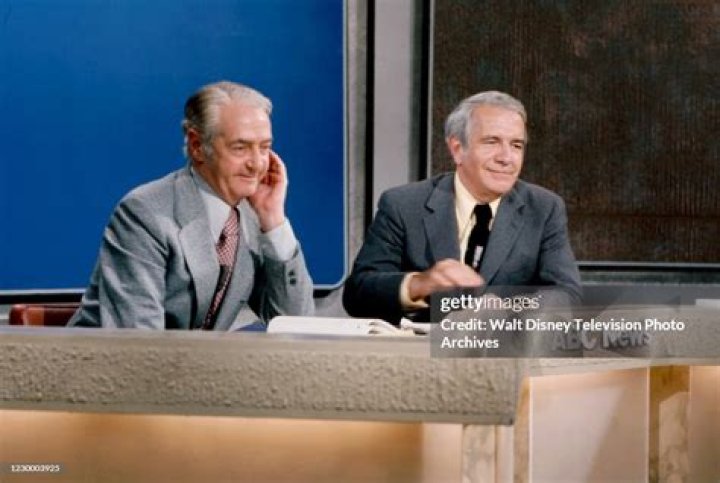
"They act like two legends cannot coexist" refers to a perceived rivalry or conflict between two individuals, often in the entertainment industry or other fields, who are seen as being incompatible or unable to co-exist. This phrase suggests that there is a limited space or recognition for both individuals to succeed or thrive, creating a sense of competition or animosity between them.
The importance of understanding this phrase lies in its ability to highlight the dynamics of competition and the perception of rivalry in various industries. By examining the reasons behind such perceived conflicts and the consequences they may have, we can gain insights into the nature of human relationships, professional competition, and the challenges of co-existence in the face of perceived limitations.
Moving forward, the main article will delve into specific examples of "they act like two legends cannot coexist" in different contexts, exploring the reasons behind these perceived rivalries, their impact on the individuals involved, and the broader implications for society.
They Act Like Two Legends Cannot Coexist
The phrase "they act like two legends cannot coexist" highlights the dynamics of competition and the perception of rivalry in various industries. By examining the reasons behind such perceived conflicts and the consequences they may have, we can gain insights into the nature of human relationships, professional competition, and the challenges of co-existence in the face of perceived limitations.
- Perception of Rivalry: The belief that two individuals cannot succeed or thrive simultaneously.
- Limited Resources: The perception that there is not enough recognition or opportunity for both individuals to succeed.
- Competitive Dynamics: The drive to outdo or surpass one another, leading to conflict and tension.
- Industry Norms: Unwritten rules or expectations that create a sense of competition and exclusivity.
- Media Portrayal: The way in which the media frames and sensationalizes rivalries, amplifying their impact.
- Historical Precedents: Past examples of rivalries that have shaped perceptions and expectations.
- Ego and Ambition: The personal motivations and desires that can fuel perceived conflicts.
- Fan Loyalty: The tendency for fans to align themselves with one individual, creating divisions and animosity.
- Social Media: The role of social media in perpetuating and intensifying perceived rivalries.
- Personal Insecurity: The underlying feelings of inadequacy or self-doubt that can contribute to perceived conflicts.
In conclusion, the key aspects of "they act like two legends cannot coexist" offer a nuanced understanding of the complex dynamics that shape perceived rivalries. These aspects highlight the interplay of individual motivations, industry norms, media portrayal, and social factors. By recognizing and examining these key aspects, we can gain insights into the challenges and opportunities of co-existence in competitive environments.
Perception of Rivalry
The perception of rivalry is closely intertwined with the notion of "they act like two legends cannot coexist". This belief stems from the assumption that there is a limited amount of recognition, success, or resources available, leading to a competitive dynamic where individuals are seen as vying for the same prize.
- Competitive Mindset: In competitive environments, individuals may adopt a mindset that views others as obstacles to their own success. This can lead to a zero-sum mentality, where one person's gain is perceived as another person's loss.
- Historical Precedents: Past examples of intense rivalries, such as those between famous athletes or artists, can shape the perception that rivalry is an inevitable part of competitive success.
- Media Portrayal: The media often sensationalizes rivalries, portraying them as dramatic and unavoidable conflicts. This can reinforce the perception that two individuals cannot coexist peacefully or cooperatively.
- Limited Opportunities: In some industries or fields, there may be a limited number of opportunities for advancement or recognition. This can create a sense of scarcity and competition, leading individuals to believe that they must outshine others to succeed.
Ultimately, the perception of rivalry can have significant implications for the individuals involved. It can create unnecessary tension, conflict, and a lack of collaboration. By recognizing and challenging this belief, we can foster a more cooperative and supportive environment where multiple individuals can succeed and thrive.
Limited Resources
The perception of limited resources is closely tied to the notion of "they act like two legends cannot coexist". When individuals believe that there is not enough recognition or opportunity for both of them to succeed, it can create a competitive dynamic where they view each other as obstacles rather than potential collaborators.
This perception can be driven by several factors, including:
- Industry Norms: In some industries, there may be unwritten rules or expectations that create a sense of exclusivity and competition. For example, in the entertainment industry, there is often a perception that there is only room for a few top stars, leading to intense rivalries between actors, singers, or other performers.
- Media Portrayal: The media often portrays rivalries as dramatic and unavoidable conflicts, reinforcing the perception that two individuals cannot coexist peacefully or cooperatively. This portrayal can create a sense of scarcity and competition, even when there is no real basis for it.
- Personal Insecurity: Underlying feelings of inadequacy or self-doubt can contribute to the perception of limited resources. Individuals who feel insecure about their own abilities may be more likely to see others as threats, leading to competitive behavior.
The perception of limited resources can have a significant impact on the individuals involved. It can create unnecessary tension, conflict, and a lack of collaboration. It can also lead to feelings of envy, resentment, and bitterness. By recognizing and challenging this perception, we can foster a more cooperative and supportive environment where multiple individuals can succeed and thrive.
Competitive Dynamics
Competitive dynamics are a fundamental aspect of the notion "they act like two legends cannot coexist". When individuals are driven to outdo or surpass one another, it can create a competitive environment where conflict and tension arise.
This dynamic can be fueled by several factors, including:
- Ego and Ambition: Individuals with strong egos and ambitious goals may be more likely to engage in competitive behavior in order to achieve recognition and success.
- Industry Norms: In some industries, such as entertainment or sports, there is a strong emphasis on competition and winning. This can lead to individuals feeling pressure to outdo their rivals in order to succeed.
- Personal Insecurity: Individuals who feel insecure about their own abilities may be more likely to engage in competitive behavior in order to prove their worth.
Competitive dynamics can have a significant impact on the individuals involved. It can lead to feelings of envy, resentment, and bitterness. It can also damage relationships and create a hostile work environment.
However, it is important to note that competition can also be a positive force. It can motivate individuals to improve their skills and abilities. It can also lead to innovation and creativity.
The key is to find a healthy balance between competition and cooperation. When competition becomes too intense, it can be destructive. However, when competition is managed in a healthy way, it can be a positive force that drives individuals and organizations to achieve great things.
Industry Norms
Industry norms play a significant role in shaping the dynamics of competition and exclusivity in various fields. These unwritten rules or expectations often create an environment where individuals feel pressure to conform and compete in order to succeed.
- Gatekeeping: Industry norms often dictate who is considered a legitimate member of a particular field or industry. This can create barriers to entry for newcomers and outsiders, making it difficult for them to gain recognition or success.
- Hierarchy and Status: Industry norms often establish a hierarchy of status and prestige, with certain individuals or organizations holding more power and influence than others. This can lead to competition for and recognition, as individuals strive to climb the ladder of success.
- Conformity and Homogeneity: Industry norms can also promote conformity and homogeneity, as individuals are expected to adhere to certain standards and expectations. This can stifle creativity and innovation, as people are discouraged from challenging the status quo.
- Competition and Rivalry: Industry norms can foster a sense of competition and rivalry among individuals, as they vie for recognition, status, and resources. This can lead to conflict and tension, as individuals compete for the same opportunities and rewards.
In the context of "they act like two legends cannot coexist," industry norms can contribute to the perception that there is only room for a limited number of successful individuals at the top. This can lead to intense competition and rivalry, as individuals feel pressure to outshine their peers and solidify their position within the industry.
Media Portrayal
The media plays a significant role in shaping public perception and influencing the dynamics of rivalry. By framing and sensationalizing rivalries, the media can amplify their impact and contribute to the notion that "they act like two legends cannot coexist."
- Selective Coverage and Framing: The media often chooses to focus on and sensationalize rivalries that fit certain narratives or generate controversy. This selective coverage can create a distorted perception of the actual dynamics between individuals and exaggerate the extent of their conflict.
- Simplification and Polarization: The media often simplifies complex rivalries into clear-cut battles between good and evil or hero and villain. This polarization can further intensify the perceived conflict and make it more difficult for individuals to see beyond the simplified narrative.
- Personalization and Dramatization: The media frequently personalizes rivalries by focusing on the personalities and private lives of the individuals involved. This can lead to the public developing strong emotional attachments to one side or the other, further fueling the rivalry.
- Constant Scrutiny and Amplification: The 24-hour news cycle and the rise of social media have led to constant scrutiny and amplification of rivalries. This relentless attention can create a sense of inevitability and make it seem like the conflict is unresolvable.
By engaging in these practices, the media can contribute to a public perception that rivalries are inherent and unavoidable. This can make it more difficult for individuals to recognize the complexity of human relationships and the possibility of co-existence and collaboration.
Historical Precedents
Historical precedents play a significant role in shaping the notion that "they act like two legends cannot coexist." Past examples of intense and enduring rivalries, whether in entertainment, sports, politics, or other fields, have left a lasting impression on our collective consciousness.
These historical rivalries serve as a reference point for understanding and interpreting present-day conflicts. When we see similarities between current rivalries and past examples, we tend to adopt similar expectations and beliefs about their nature and trajectory. For instance, if a rivalry is reminiscent of a famous historical rivalry that ended in acrimony or tragedy, the public may be more likely to believe that the current rivalry is destined for a similar outcome.
Historical precedents can also shape our expectations about the behavior of individuals involved in rivalries. We may expect them to act in ways that are consistent with the behaviors exhibited by their historical counterparts. For example, if a politician engages in mudslinging and personal attacks, we may view this as a sign of their unsuitability for office, based on our knowledge of similar behavior by corrupt or unethical politicians in the past.
Understanding the connection between historical precedents and the perception that "they act like two legends cannot coexist" is important for several reasons. First, it helps us to recognize the influence of the past on our present-day beliefs and expectations. Second, it allows us to critically evaluate the validity of these beliefs and expectations, and to challenge them if necessary. Finally, it can help us to avoid perpetuating harmful stereotypes and patterns of behavior that may have been inherited from the past.
Ego and Ambition
The notion that "they act like two legends cannot coexist" is often driven by the interplay of ego and ambition. Ego, or an inflated sense of self-importance, can lead individuals to believe that they are superior to others and deserving of special treatment.
When two individuals with strong egos are in competition, they may perceive each other as threats to their own success and status. This can lead to a dynamic where they act in ways that are designed to diminish or discredit the other person, even if it means engaging in unethical or harmful behavior.
Ambition, or a strong desire for success and achievement, can also contribute to perceived conflicts. When individuals are highly ambitious, they may be willing to do whatever it takes to achieve their goals, even if it means stepping on others or engaging in unethical behavior.
In the context of "they act like two legends cannot coexist," ego and ambition can create a self-fulfilling prophecy. If two individuals believe that they cannot coexist, they may act in ways that make it impossible for them to do so. For example, they may refuse to collaborate on projects, spread rumors about each other, or engage in other forms of sabotage.
Understanding the connection between ego and ambition and perceived conflicts is important for several reasons. First, it can help us to recognize the role that our own ego and ambition may play in our relationships with others. Second, it can help us to be more understanding and compassionate towards others who may be driven by ego and ambition.
Fan Loyalty
The intense rivalry between two individuals can often be fueled by the unwavering loyalty of their respective fan bases. This phenomenon, known as "fan loyalty," plays a significant role in perpetuating the notion that "they act like two legends cannot coexist." Here are a few key facets that illustrate this connection:
- Tribalism and In-Group Bias:
Fans tend to identify strongly with their chosen individual, creating an "us versus them" mentality. This tribalism can lead to a negative bias towards the other individual and their supporters, fostering animosity and division.
- Selective Perception and Confirmation Bias:
Fans often selectively perceive information that supports their preferred individual while disregarding or downplaying information that contradicts their beliefs. This confirmation bias reinforces their existing views and further widens the perceived gap between the two individuals.
- Emotional Investment and Cognitive Dissonance:
Fans have an emotional investment in the success of their chosen individual. When the other individual achieves success or recognition, it can create cognitive dissonance, which fans may resolve by disparaging the other person or engaging in negative behavior towards their supporters.
- Social Media and Echo Chambers:
Social media platforms have amplified the voices of fans and created echo chambers where they can reinforce their beliefs and engage in negative discourse about the other individual. This further exacerbates the divisions and animosity between fan bases.
In conclusion, fan loyalty is a significant factor that contributes to the perception that "they act like two legends cannot coexist." The tribalism, selective perception, emotional investment, and social media echo chambers that characterize fan loyalty can create a hostile environment where animosity and division thrive.
Social Media
The advent of social media has significantly amplified the dynamics surrounding perceived rivalries, contributing to the notion that "they act like two legends cannot coexist." Social media platforms have become breeding grounds for fan loyalty, echo chambers, and the dissemination of biased information, all of which exacerbate the divide between rival parties.
One of the primary ways social media perpetuates rivalries is through the creation of echo chambers. These are online spaces where like-minded individuals congregate and reinforce their existing beliefs. In the context of rivalries, this means that fans of one individual are more likely to encounter content that supports their favored party while being shielded from opposing viewpoints. This selective exposure can lead to increased polarization and a distorted perception of reality, where the flaws of one's favored individual are minimized, and those of the rival are exaggerated.
Furthermore, the fast-paced and often anonymous nature of social media can facilitate the spread of rumors and misinformation. Unverified claims and malicious gossip can spread like wildfire, further fueling animosity and mistrust between rival parties. The lack of accountability and the ease with which individuals can hide behind online personas embolden them to engage in behaviors they might not otherwise exhibit in real life.
Real-life examples abound of how social media has intensified perceived rivalries. In the realm of sports, the rivalry between Cristiano Ronaldo and Lionel Messi has been amplified by the constant stream of debates and comparisons on social media platforms. Fans of both players engage in heated discussions, often resorting to personal attacks and belittling the achievements of the other side. Similarly, in the entertainment industry, social media has been used to pit celebrities against each other, creating a narrative of animosity and competition that may not accurately reflect their actual relationship.
Understanding the role of social media in perpetuating and intensifying perceived rivalries is crucial for several reasons. First, it helps us recognize the potential negative impact of social media on our perceptions and interactions with others. Second, it highlights the importance of critical thinking and media literacy in the digital age. By being aware of the echo chambers and biases present on social media, we can make more informed decisions about the information we consume and share.
Personal Insecurity
The notion of "they act like two legends cannot coexist" often stems from deep-seated personal insecurities and feelings of inadequacy or self-doubt. When individuals feel insecure about their own abilities or worth, they may perceive others as threats to their own sense of self.
- Fear of inadequacy: Insecure individuals may fear that they are not good enough or that they will not measure up to the standards of others. This fear can drive them to engage in competitive or aggressive behavior in order to prove their worth.
- Projection of insecurities: Personal insecurities can manifest as projections onto others. Insecure individuals may attribute their own negative feelings or shortcomings to others, creating a sense of rivalry or conflict.
- Need for external validation: Individuals with low self-esteem may rely heavily on external validation to feel good about themselves. When they perceive that someone else is receiving more attention or recognition, they may feel threatened and engage in behaviors that undermine the other person.
- Self-sabotage: In some cases, personal insecurity can lead to self-sabotaging behaviors. Insecure individuals may subconsciously create obstacles or conflicts in their own lives in order to avoid facing their own inadequacies.
Understanding the connection between personal insecurity and perceived conflicts is crucial for several reasons. First, it highlights the importance of self-awareness and self-acceptance. By recognizing our own insecurities, we can take steps to address them and prevent them from negatively impacting our relationships with others. Second, it emphasizes the need for empathy and compassion. When we understand that others may be acting out of their own insecurities, we can be more understanding and less likely to engage in conflict.
FAQs on "They Act Like Two Legends Cannot Coexist"
This section addresses common concerns and misconceptions surrounding the notion of "they act like two legends cannot coexist." It provides brief answers to frequently asked questions, offering a deeper understanding of the topic.
Question 1: What are the underlying factors that contribute to the perception that two legends cannot coexist?
Answer: Several factors can contribute to this perception, including limited resources, competitive industry norms, personal insecurities, and the media's portrayal of rivalries.
Question 2: How does fan loyalty impact perceived rivalries?
Answer: Fan loyalty can intensify rivalries by creating divisions and animosity between fan bases. Fans may engage in tribalistic behavior, selective perception, and emotional investment, which can further widen the gap between the perceived rivals.
Question 3: What role does social media play in perpetuating rivalries?
Answer: Social media platforms can amplify rivalries by creating echo chambers, facilitating the spread of rumors and misinformation, and providing a space for fans to engage in negative discourse. This can exacerbate animosity and make it more difficult to bridge the divide between rival parties.
Question 4: How can personal insecurities contribute to perceived conflicts?
Answer: Individuals with low self-esteem or feelings of inadequacy may perceive others as threats to their own sense of self. This can lead to competitive or aggressive behavior, projection of insecurities, and self-sabotaging actions.
Question 5: What are the consequences of perpetuating the notion that two legends cannot coexist?
Answer: This notion can foster a competitive and divisive environment, hinder collaboration and innovation, and prevent individuals from recognizing the value of diversity and mutual respect.
Question 6: How can we challenge and overcome the perception that two legends cannot coexist?
Answer: By promoting empathy, understanding the root causes of rivalries, valuing diversity, and encouraging collaboration, we can create a more inclusive and harmonious environment where multiple individuals can thrive and coexist.
Summary: The notion of "they act like two legends cannot coexist" is a complex issue influenced by various factors. Understanding the underlying causes and consequences of perceived rivalries is crucial for fostering a more positive and cooperative environment. By challenging misconceptions, promoting empathy, and valuing diversity, we can create a society where multiple individuals can coexist and contribute to a richer and more vibrant world.
Transition to the next article section: This section has explored the FAQs surrounding the notion of "they act like two legends cannot coexist." The following section will delve deeper into the historical and cultural contexts that shape perceived rivalries and explore strategies for fostering coexistence and mutual respect.
Tips for Challenging the Notion of "They Act Like Two Legends Cannot Coexist"
To foster a more harmonious and inclusive environment, it is essential to challenge the notion that two legends cannot coexist. Here are five tips to help cultivate a mindset that embraces diversity, values collaboration, and promotes mutual respect:
Tip 1: Recognize and Challenge Biases: Examine your own beliefs and assumptions about rivalry and competition. Identify any biases or preconceived notions that may be influencing your perception of others.
Tip 2: Focus on Commonalities: Instead of dwelling on differences, make an effort to identify shared values, interests, or goals with others. This can help build bridges and foster a sense of unity.
Tip 3: Promote Empathy and Understanding: Try to see the world from different perspectives. Understand that others may have different experiences, motivations, and aspirations. Empathy can help break down barriers and create a more compassionate society.
Tip 4: Encourage Collaboration: Recognize that collaboration and teamwork can lead to greater innovation and success. Create opportunities for individuals to work together and learn from each other.
Tip 5: Celebrate Diversity: Value and appreciate the unique qualities and contributions of all individuals. Diversity enriches our lives and makes society more vibrant. Celebrate the differences that make each person special.
Summary: By challenging our biases, focusing on commonalities, promoting empathy, encouraging collaboration, and celebrating diversity, we can create a world where multiple legends can coexist and thrive, contributing to a richer and more harmonious society.
Transition to the article's conclusion: This section has provided practical tips for fostering coexistence and mutual respect. The following section will conclude the article by emphasizing the importance of embracing diversity and collaboration in all aspects of life.
Conclusion
Throughout this article, we have explored the multifaceted notion of "they act like two legends cannot coexist." We have examined the underlying factors that contribute to perceived rivalries, the consequences of perpetuating such beliefs, and the importance of challenging them.
The key to fostering a more harmonious and inclusive society lies in embracing coexistence and mutual respect. By recognizing and challenging our biases, focusing on commonalities, promoting empathy, encouraging collaboration, and celebrating diversity, we create an environment where multiple individuals can thrive and contribute to a richer and more vibrant world.
Let us move forward with a mindset that values diversity and collaboration in all aspects of life. Only then can we truly dispel the notion that two legends cannot coexist and unlock the full potential of our collective human spirit.
Discover The Secrets Of The Maple And Ash Birthday Menu: A Culinary Journey Awaits
Unveiling The Truth: Are Niki And Nate Still Together? Discoveries And Insights
Unveiling The Truth Behind "Whitneywren Of Leaked": Privacy, Consent, And The Digital Age