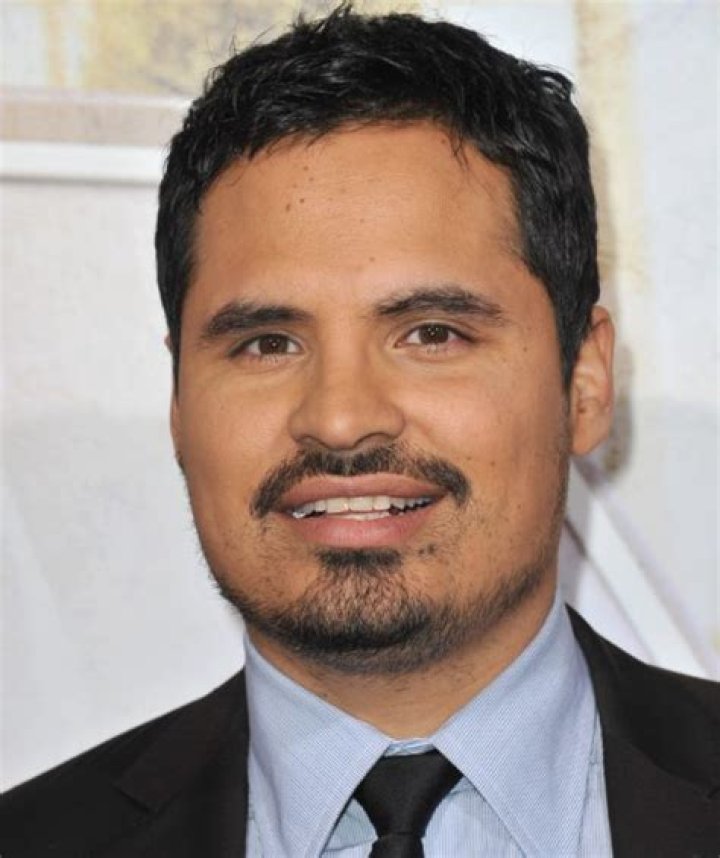
Quavo dead, a trending search query, refers to the false rumor of the death of Quavo, a member of the hip-hop group Migos.
The rumor originated from a fake news article that claimed Quavo had been shot and killed. The article quickly spread on social media, causing widespread concern and panic among Quavo's fans.
However, the rumor was quickly debunked by Quavo himself, who took to social media to assure his fans that he was alive and well.
The false rumor highlights the dangers of spreading misinformation on social media. It also serves as a reminder of the importance of verifying information before sharing it with others.
Quavo Dead
The false rumor of Quavo's death has highlighted several key aspects of the topic:
- Misinformation: The rumor spread quickly on social media, demonstrating the dangers of sharing unverified information.
- Celebrity culture: The rumor highlights the intense public interest in the lives of celebrities and the impact of rumors on their reputations.
- Social media: The rumor spread primarily through social media, highlighting the platform's role in both spreading information and misinformation.
- Mental health: The rumor caused widespread concern and panic among Quavo's fans, underscoring the potential impact of false information on mental health.
- Media literacy: The rumor emphasizes the importance of media literacy and the ability to critically evaluate information before sharing it.
- Trust in media: The rumor also highlights the public's trust in the media and the need for responsible reporting.
- Public figures and responsibility: The rumor raises questions about the responsibility of public figures to correct false information about themselves.
- Online harassment: The rumor led to online harassment and threats against Quavo, highlighting the potential consequences of spreading false information.
These aspects underscore the importance of verifying information before sharing it, the dangers of misinformation, and the impact of social media on both our personal lives and public discourse.
| Name | Quavious Keyate Marshall |
|---|---|
| Birthdate | April 2, 1991 |
| Birthplace | Athens, Georgia |
| Occupation | Rapper, singer, songwriter |
| Group affiliation | Migos |
Misinformation
The false rumor of Quavo's death highlights the dangers of sharing unverified information, particularly on social media. Social media platforms allow information to spread rapidly, often without being fact-checked or verified.
- Speed and reach: Social media enables information to reach a wide audience quickly and easily. This can be beneficial for spreading accurate information, but it also allows misinformation to spread just as quickly.
- Confirmation bias: Social media users tend to follow and interact with others who share their views, which can lead to confirmation bias. This can make people more likely to believe and share information that confirms their existing beliefs, even if it is inaccurate.
- Lack of accountability: Social media users can often post anonymously or under pseudonyms, which can make it difficult to hold them accountable for spreading misinformation.
The rumor of Quavo's death is a reminder of the importance of being critical of information encountered on social media. It is always best to verify information from multiple sources before sharing it with others.
Celebrity culture
The false rumor of Quavo's death highlights the intense public interest in the lives of celebrities. Celebrities are often seen as role models and trendsetters, and their personal lives are often the subject of public fascination.
Rumors about celebrities can spread quickly and have a significant impact on their reputations. In the case of Quavo, the false rumor of his death caused widespread concern and panic among his fans. It also led to online harassment and threats against Quavo.
The rumor of Quavo's death is a reminder of the importance of celebrity culture in our society. Celebrities are often held to a higher standard than, and their personal lives are often scrutinized by the media and the public.
The rumor also highlights the need for responsible reporting by the media. The media has a responsibility to verify information before reporting it, and to avoid spreading rumors and misinformation.
Social media
The false rumor of Quavo's death spread primarily through social media, highlighting the platform's role in both spreading information and misinformation.
Social media platforms allow information to spread quickly and easily, reaching a wide audience in a short amount of time. This can be beneficial for spreading accurate information, such as news and updates, but it can also allow misinformation to spread just as quickly.
In the case of the Quavo death rumor, the false information originated from a fake news article that was shared on social media. The article quickly spread, causing widespread concern and panic among Quavo's fans.
The rumor of Quavo's death is a reminder of the importance of being critical of information encountered on social media. It is always best to verify information from multiple sources before sharing it with others.
Social media platforms have a responsibility to combat the spread of misinformation. They can do this by fact-checking content, removing false information, and promoting media literacy.
Mental health
The false rumor of Quavo's death highlights the potential impact of false information on mental health. The rumor caused widespread concern and panic among Quavo's fans, many of whom were deeply affected by the news of his supposed death.
False information can have a significant impact on mental health, particularly when it involves the death of a celebrity or public figure. This is because many people feel a connection to celebrities, and their deaths can be experienced as a personal loss. In the case of Quavo, many of his fans were devastated by the news of his supposed death, and they experienced feelings of grief, sadness, and anxiety.
The rumor of Quavo's death is a reminder of the importance of mental health and the need to be critical of information encountered online. It is important to remember that not everything that is read or heard is true, and it is always best to verify information from multiple sources before believing it.
Media literacy
The false rumor of Quavo's death highlights the importance of media literacy, which is the ability to critically evaluate information and determine its credibility. In the age of social media, where information can spread quickly and easily, it is more important than ever to be able to distinguish between accurate and inaccurate information.
In the case of the Quavo death rumor, many people were quick to share the news on social media without first verifying its accuracy. This is a dangerous trend, as it can lead to the spread of misinformation and panic.
Media literacy is essential for understanding the world around us and making informed decisions. It allows us to evaluate the credibility of information, identify bias, and understand the different perspectives on an issue.
The rumor of Quavo's death is a reminder of the importance of media literacy. It is important to be critical of information encountered online, and to verify it from multiple sources before sharing it with others.
Trust in media
The false rumor of Quavo's death highlights the public's trust in the media and the need for responsible reporting. Many people initially believed the rumor because it was reported by several reputable news outlets. However, it was later revealed that the rumor was false, and the news outlets that had reported it were forced to retract their stories.
This incident highlights the importance of responsible reporting. News outlets have a responsibility to verify information before reporting it, and to correct any errors that are made. When news outlets fail to meet this responsibility, it can damage the public's trust in the media.
The rumor of Quavo's death is a reminder that not everything that is reported in the media is true. It is important to be critical of information encountered online, and to verify it from multiple sources before believing it.
Public figures and responsibility
In the wake of the false rumor of Quavo's death, many have questioned the responsibility of public figures to correct false information about themselves. Some argue that public figures have a duty to set the record straight when false information is spread about them, while others believe that public figures should not be held responsible for correcting every false rumor.
- The right to privacy: Public figures have a right to privacy, and they should not be expected to respond to every false rumor that is spread about them. However, when false information could have a significant impact on their reputation or career, public figures may feel obligated to correct it.
- The spread of misinformation: In the age of social media, false information can spread quickly and easily. Public figures may be hesitant to correct false information if they are concerned that it will only further spread the misinformation.
- The impact on fans and the public: Public figures have a large following, and their words and actions can have a significant impact on their fans and the public. When false information is spread about a public figure, it can damage their reputation and trust with their fans.
Ultimately, the decision of whether or not to correct false information is a personal one for each public figure. There is no easy answer, and there are valid arguments to be made on both sides of the issue.
Online harassment
The false rumor of Quavo's death led to a wave of online harassment and threats against the rapper. Many of these attacks were racially motivated, and some even threatened violence against Quavo and his family.
The online harassment directed at Quavo is a reminder of the potential consequences of spreading false information. When false information is spread about a public figure, it can lead to real-world harm. In this case, the false rumor of Quavo's death led to online harassment and threats against the rapper.
It is important to be aware of the potential consequences of spreading false information. Before sharing information online, it is important to verify its accuracy. If you are not sure whether or not information is accurate, it is best to err on the side of caution and not share it.
Spreading false information can have a negative impact on the individual who is the target of the false information, as well as on society as a whole. It is important to be mindful of the potential consequences of spreading false information and to only share information that you know to be accurate.
Quavo Dead
This section addresses frequently asked questions and misconceptions surrounding the false rumor of Quavo's death.
Question 1: Is Quavo actually dead?
Answer: No, Quavo is not dead. The rumor of his death was false and has been debunked.
Question 2: Where did the rumor of Quavo's death originate?
Answer: The rumor originated from a fake news article that claimed Quavo had been shot and killed. The article quickly spread on social media, causing widespread concern and panic.
Question 3: Why did the rumor spread so quickly?
Answer: The rumor spread quickly due to the popularity of Quavo and the use of social media. Many people shared the news without verifying its accuracy.
Question 4: What are the dangers of spreading false information?
Answer: Spreading false information can have a negative impact on the individual who is the target of the false information, as well as on society as a whole. In this case, the false rumor of Quavo's death led to online harassment and threats against the rapper.
Question 5: How can we prevent the spread of false information?
Answer: There are several things that can be done to prevent the spread of false information. First, it is important to be critical of information encountered online. Second, it is important to verify information from multiple sources before sharing it. Third, it is important to be aware of the potential consequences of spreading false information.
Question 6: What should you do if you see false information being spread online?
Answer: If you see false information being spread online, the best thing to do is to report it to the platform where you saw it. You can also share accurate information from credible sources to help combat the spread of false information.
In conclusion, it is important to be aware of the dangers of spreading false information and to take steps to prevent it. By being critical of information encountered online, verifying information from multiple sources, and being aware of the potential consequences of spreading false information, we can help to combat the spread of false information and protect ourselves and others from its harmful effects.
Transition to the next article section:
Quavo Dead
The false rumor of Quavo's death highlights the dangers of spreading misinformation and the importance of taking steps to prevent it. Here are five tips for preventing the spread of misinformation:
Tip 1: Be critical of information encountered online.
Not everything that is read or heard online is true. Be skeptical of information that seems too good to be true or that is emotionally charged. Consider the source of the information and whether it is a credible and authoritative source.
Tip 2: Verify information from multiple sources.
Before sharing information, take the time to verify it from multiple sources. This will help to ensure that the information is accurate and reliable.
Tip 3: Be aware of the potential consequences of spreading false information.
Spreading false information can have a negative impact on the individual who is the target of the false information, as well as on society as a whole. Consider the potential consequences before sharing information.
Tip 4: Report false information.
If you see false information being spread online, report it to the platform where you saw it. You can also share accurate information from credible sources to help combat the spread of false information.
Tip 5: Educate yourself about media literacy.
Media literacy is the ability to critically evaluate information and determine its credibility. Educating yourself about media literacy will help you to be more discerning about the information you encounter online.
By following these tips, you can help to prevent the spread of misinformation and protect yourself and others from its harmful effects.
Summary of key takeaways:
- Be critical of information encountered online.
- Verify information from multiple sources.
- Be aware of the potential consequences of spreading false information.
- Report false information.
- Educate yourself about media literacy.
By following these tips, you can be a more informed and responsible consumer of information and help to combat the spread of misinformation.
Conclusion
The false rumor of Quavo's death highlights the dangers of spreading misinformation and the importance of being critical of information encountered online. It is important to verify information from multiple sources before sharing it, and to be aware of the potential consequences of spreading false information.
By following the tips outlined in this article, you can help to prevent the spread of misinformation and protect yourself and others from its harmful effects. Be a responsible consumer of information, and help to create a more informed and accurate online environment.
Unveiling The Surprising Connections Between Kellyanne Conway And Tim Conway
Unveiling Paloma Cuevas: Discoveries And Insights From Her Wikipedia
Unlock Unseen Truths: The Enigmatic Height Of Chase Sui Wonders Unveiled