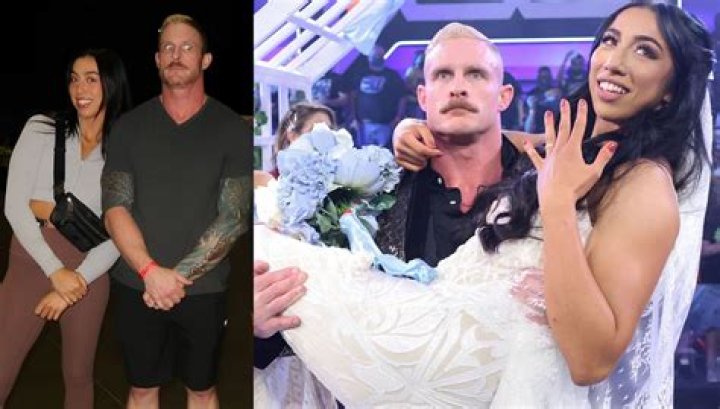
"Blond hotty" is a phrase used to describe a physically attractive person with blond hair. The term is often used in a complimentary context to describe someone who is considered to be beautiful or desirable.
The term "blond hotty" has been used in popular culture for many years, and it has been featured in songs, movies, and television shows. The term is often associated with the idea of beauty and desirability, and it is often used to describe someone who is considered to be a "catch."
While the term "blond hotty" is often used to describe women, it can also be used to describe men. The term is often used in a playful or affectionate way, and it is not typically meant to be taken seriously.
blond hotty
"Blond hotty" is a phrase used to describe a physically attractive person with blond hair. The term is often used in a complimentary context to describe someone who is considered to be beautiful or desirable. This phrase is an adjective which gives more information about a noun.
- Physical attractiveness
- Blond hair
- Beauty
- Desirability
- Complimentary
- Popular culture
- Media
- Fashion
- Beauty standards
The term "blond hotty" has been used in popular culture for many years, and it has been featured in songs, movies, and television shows. The term is often associated with the idea of beauty and desirability, and it is often used to describe someone who is considered to be a "catch." While the term "blond hotty" is often used to describe women, it can also be used to describe men. The term is often used in a playful or affectionate way, and it is not typically meant to be taken seriously.
Physical attractiveness
Physical attractiveness is a key component of the "blond hotty" stereotype. People who are considered to be physically attractive are often seen as being more desirable, successful, and popular than those who are not. This is because physical attractiveness is often associated with positive qualities such as health, youth, and fertility.
- Facial symmetry
One of the most important factors in physical attractiveness is facial symmetry. People with symmetrical faces are often considered to be more attractive than those with asymmetrical faces. This is because symmetry is often associated with health and good genes.
- Body shape
Another important factor in physical attractiveness is body shape. People with hourglass figures are often considered to be more attractive than those with other body shapes. This is because the hourglass figure is often associated with fertility and good health.
- Skin complexion
Skin complexion is another factor that can affect physical attractiveness. People with fair skin are often considered to be more attractive than those with darker skin. This is because fair skin is often associated with youth and health.
- Hair color
Hair color can also affect physical attractiveness. Blondes are often considered to be more attractive than brunettes or redheads. This is because blonde hair is often associated with youth and innocence.
Of course, physical attractiveness is not the only factor that contributes to the "blond hotty" stereotype. Personality, intelligence, and sense of humor are also important factors. However, physical attractiveness is often the first thing that people notice about someone, and it can play a significant role in shaping our initial impressions.
Blond hair
Blond hair is a common feature of the "blond hotty" stereotype. In many cultures, blond hair is associated with beauty, youth, and innocence. This is likely due to the fact that blond hair is relatively rare, and it is often seen as a sign of good health.
In some cultures, blond hair is also associated with wealth and status. This is because, in the past, only wealthy people could afford to have their hair lightened. Today, blond hair is still often seen as a sign of luxury and glamour.
The connection between blond hair and the "blond hotty" stereotype is a complex one. It is based on a number of factors, including culture, history, and personal preference. However, there is no doubt that blond hair is a significant component of the "blond hotty" stereotype.
Here are some real-life examples of the connection between blond hair and the "blond hotty" stereotype:
- In the media, blond women are often portrayed as being more attractive and desirable than women with other hair colors.
- In fashion, blond hair is often seen as a sign of beauty and glamour.
- In advertising, blond women are often used to sell products that are targeted at women who want to be seen as attractive and desirable.
The connection between blond hair and the "blond hotty" stereotype is a powerful one. It is a stereotype that is based on a number of factors, including culture, history, and personal preference. However, there is no doubt that blond hair is a significant component of the "blond hotty" stereotype.
Beauty
Beauty is a complex and multifaceted concept that has been studied by philosophers, artists, and scientists for centuries. There is no one definitive definition of beauty, but it is generally agreed that beauty is a quality that gives pleasure to the senses and the mind. Beauty can be found in many different forms, including art, nature, and people.
In the context of the "blond hotty" stereotype, beauty is a key component. Blond hair is often seen as a sign of beauty, and people with blond hair are often considered to be more attractive than those with other hair colors. This is likely due to the fact that blond hair is relatively rare, and it is often seen as a sign of good health.
There is a strong correlation between beauty and the "blond hotty" stereotype. This is because blond hair is often seen as a sign of beauty, and people with blond hair are often considered to be more attractive than those with other hair colors.
Real-life examples of the connection between beauty and the "blond hotty" stereotype include:- In the media, blond women are often portrayed as being more attractive and desirable than women with other hair colors.
- In fashion, blond hair is often seen as a sign of beauty and glamour.
- In advertising, blond women are often used to sell products that are targeted at women who want to be seen as attractive and desirable.
The connection between beauty and the "blond hotty" stereotype is a powerful one. It is a stereotype that is based on a number of factors, including culture, history, and personal preference. However, there is no doubt that beauty is a significant component of the "blond hotty" stereotype.
Desirability
Desirability is a complex and multifaceted concept that can be defined as the quality of being attractive or appealing. In the context of the "blond hotty" stereotype, desirability is a key component. Blond hair is often seen as a sign of beauty and attractiveness, and people with blond hair are often considered to be more desirable than those with other hair colors.
- Physical attractiveness
One of the most important factors in desirability is physical attractiveness. People who are considered to be physically attractive are often seen as being more desirable than those who are not. This is because physical attractiveness is often associated with positive qualities such as health, youth, and fertility.
- Personality
Personality is another important factor in desirability. People who are considered to be kind, funny, and intelligent are often seen as being more desirable than those who are not. This is because personality is often seen as a reflection of a person's inner beauty.
- Status
Status is another factor that can affect desirability. People who are considered to be successful, wealthy, or powerful are often seen as being more desirable than those who are not. This is because status is often seen as a sign of a person's value and worth.
- Culture
Culture can also play a role in desirability. In some cultures, certain physical features or personality traits are considered to be more desirable than others. For example, in some cultures, fair skin is considered to be more desirable than dark skin. In other cultures, thinness is considered to be more desirable than obesity.
The connection between desirability and the "blond hotty" stereotype is a complex one. It is based on a number of factors, including culture, history, and personal preference. However, there is no doubt that desirability is a significant component of the "blond hotty" stereotype.
Complimentary
The term " complimentary" is often used to describe the "blond hotty" stereotype. This is because blond hair is often seen as a sign of beauty and attractiveness, and people with blond hair are often considered to be more desirable than those with other hair colors. As a result, many people compliment blondes on their appearance.
There are a number of reasons why blond hair is often seen as complimentary. First, blond hair is relatively rare. This makes it stand out from other hair colors, and it can make people with blond hair appear more unique and attractive. Second, blond hair is often associated with youth and innocence. This can make people with blond hair appear more approachable and friendly.
The connection between " complimentary" and "blond hotty" is a complex one. It is based on a number of factors, including culture, history, and personal preference. However, there is no doubt that " complimentary" is a significant component of the "blond hotty" stereotype.
Here are some real-life examples of the connection between " complimentary" and "blond hotty":
- In the media, blond women are often portrayed as being more attractive and desirable than women with other hair colors.
- In fashion, blond hair is often seen as a sign of beauty and glamour.
- In advertising, blond women are often used to sell products that are targeted at women who want to be seen as attractive and desirable.
The connection between " complimentary" and "blond hotty" is a powerful one. It is a stereotype that is based on a number of factors, including culture, history, and personal preference. However, there is no doubt that " complimentary" is a significant component of the "blond hotty" stereotype.
Popular culture
The "blond hotty" stereotype is a common trope in popular culture. Blond women are often portrayed as being more attractive, desirable, and successful than women with other hair colors. This is likely due to the fact that blond hair is often associated with beauty, youth, and innocence.
In the media, blond women are often portrayed as being more attractive and desirable than women with other hair colors. This is especially true in movies and television shows, where blond women are often cast as the romantic lead or the object of desire. For example, some famous blondes in popular culture include Marilyn Monroe, Brigitte Bardot, and Cameron Diaz.
The "blond hotty" stereotype is not just limited to the media. It is also prevalent in fashion and advertising. In fashion, blond hair is often seen as a sign of beauty and glamour. This is why many fashion models are blond. In advertising, blond women are often used to sell products that are targeted at women who want to be seen as attractive and desirable. For example, many hair care products and cosmetics are marketed towards blond women.
The "blond hotty" stereotype has a significant impact on our culture. It can shape our perceptions of beauty and desirability, and it can also influence our behavior. For example, many women feel pressure to dye their hair blond in order to conform to the "blond hotty" stereotype. This can lead to negative consequences, such as damage to the hair and scalp.
It is important to be aware of the "blond hotty" stereotype and its impact on our culture. We need to challenge this stereotype and promote a more diverse and inclusive view of beauty.
Media
The media plays a significant role in perpetuating the "blond hotty" stereotype. Blond women are often portrayed as being more attractive, desirable, and successful than women with other hair colors. This is especially true in movies and television shows, where blond women are often cast as the romantic lead or the object of desire. For example, some famous blondes in popular culture include Marilyn Monroe, Brigitte Bardot, and Cameron Diaz.
There are a number of reasons why the media favors blond women. First, blond hair is often associated with beauty, youth, and innocence. This makes blond women appear more approachable and friendly. Second, blond hair is relatively rare, which makes it stand out from other hair colors. This can make blond women appear more unique and attractive.
The media's portrayal of blond women has a significant impact on our culture. It can shape our perceptions of beauty and desirability, and it can also influence our behavior. For example, many women feel pressure to dye their hair blond in order to conform to the "blond hotty" stereotype. This can lead to negative consequences, such as damage to the hair and scalp.
It is important to be aware of the media's role in perpetuating the "blond hotty" stereotype. We need to challenge this stereotype and promote a more diverse and inclusive view of beauty.
Fashion
The fashion industry has a significant impact on the "blond hotty" stereotype. Blond hair is often seen as a sign of beauty and glamour, and this is reflected in the way that blond women are portrayed in fashion magazines and on the runway. For example, many high-fashion models are blond, and blond hair is often featured in fashion editorials and advertising campaigns.
There are a number of reasons why blond hair is so popular in the fashion industry. First, blond hair is relatively rare, which makes it stand out from other hair colors. This can make blond women appear more unique and attractive. Second, blond hair is often associated with youth and innocence, which can make blond women appear more approachable and friendly.
The fashion industry's preference for blond hair has a significant impact on our culture. It can shape our perceptions of beauty and desirability, and it can also influence our behavior. For example, many women feel pressure to dye their hair blond in order to conform to the "blond hotty" stereotype. This can lead to negative consequences, such as damage to the hair and scalp.
It is important to be aware of the fashion industry's role in perpetuating the "blond hotty" stereotype. We need to challenge this stereotype and promote a more diverse and inclusive view of beauty.
Beauty standards
The "blond hotty" stereotype is closely linked to beauty standards. Beauty standards are the socially constructed ideals of physical appearance that are considered attractive and desirable within a particular culture or society. These standards can vary greatly from culture to culture and can change over time.
In many cultures, blond hair is seen as a sign of beauty. This is likely due to the fact that blond hair is relatively rare, and it is often associated with youth and innocence. As a result, blond women are often seen as more attractive and desirable than women with other hair colors.
The beauty standards that favor blond hair can have a significant impact on women's lives. Many women feel pressure to dye their hair blond in order to conform to these standards. This can lead to negative consequences, such as damage to the hair and scalp.
It is important to challenge the beauty standards that favor blond hair. We need to promote a more diverse and inclusive view of beauty that celebrates all hair colors and textures.
Frequently Asked Questions about "Blond Hotty"
This section addresses common concerns or misconceptions surrounding the term "blond hotty" and provides informative answers.
Question 1: What is the origin of the term "blond hotty"?
Answer: The exact origin of the term is uncertain, but it is believed to have emerged in the early 20th century, possibly influenced by popular culture and media portrayals of attractive blond women.
Question 2: Is the "blond hotty" stereotype harmful?
Answer: While the stereotype may not be explicitly intended to harm, it can perpetuate narrow and unrealistic beauty standards that can negatively impact individuals who do not conform to this idealized image.
Question 3: How does the "blond hotty" stereotype affect women?
Answer: The stereotype can create pressure on women to conform to a specific appearance, leading to feelings of inadequacy or low self-esteem. It can also reinforce the idea that physical attractiveness is the primary measure of a woman's worth.
Question 4: Is it possible to challenge the "blond hotty" stereotype?
Answer: Yes, by promoting diversity and inclusivity in media, fashion, and society, we can challenge narrow beauty standards and celebrate the beauty of all individuals, regardless of hair color or physical appearance.
Question 5: What are some positive ways to view the term "blond hotty"?
Answer: Rather than focusing on physical appearance, the term can be reframed to appreciate the qualities of confidence, charisma, or intelligence that may be associated with certain individuals.
Question 6: How can we promote a more positive and inclusive view of beauty?
Answer: By embracing diversity, challenging societal norms, and celebrating the unique beauty of all individuals, we can create a more inclusive and empowering society.
In conclusion, the "blond hotty" stereotype is a complex and multifaceted concept that has both positive and negative connotations. By understanding its origins, potential impact, and ways to challenge it, we can promote a more inclusive and diverse view of beauty that values all individuals.
Transition to the next article section:
Tips for Embracing a Positive and Inclusive View of Beauty
To challenge the narrow and unrealistic beauty standards associated with the "blond hotty" stereotype, here are some practical tips to promote a more inclusive and positive view of beauty:
Tip 1: Celebrate Diversity and InclusivityEmbrace and appreciate the diverse range of physical appearances, skin tones, hair textures, and body types that exist. Celebrate the beauty of all individuals, regardless of their conformity to traditional beauty standards.Tip 2: Challenge Societal NormsCritically examine societal messages and media portrayals that reinforce narrow beauty ideals. Question and challenge these norms by promoting diverse and inclusive representation in all aspects of society.Tip 3: Focus on Inner QualitiesValue individuals for their intelligence, kindness, humor, and other positive attributes rather than solely focusing on physical appearance. Nurture a culture that recognizes and appreciates inner beauty.Tip 4: Promote Self-AcceptanceEncourage individuals to embrace their unique qualities and foster a sense of self-worth that is not tied to external validation or societal beauty standards. Promote self-love and body positivity.Tip 5: Use Language MindfullyAvoid using language that perpetuates stereotypes or reinforces narrow beauty ideals. Use inclusive and respectful language that celebrates diversity and challenges traditional beauty norms.Tip 6: Support Inclusive MediaChoose to consume and support media that features diverse representation and promotes positive body image. Support creators who challenge traditional beauty standards and showcase diverse perspectives.Tip 7: Advocate for ChangeActively advocate for changes in industries such as fashion, media, and entertainment to promote greater inclusivity and diversity. Encourage the representation of individuals from all backgrounds and body types.By embracing these tips, we can work towards creating a more inclusive and diverse society that values all individuals for their unique qualities, regardless of their physical appearance.
Transition to the article's conclusion:
Conclusion
The exploration of the "blond hotty" stereotype has revealed its multifaceted nature, encompassing physical attractiveness, desirability, beauty standards, and societal perceptions. While the stereotype may evoke positive connotations of glamour and allure, it is crucial to critically examine its potential impact on individuals and society as a whole.
To promote a more inclusive and equitable view of beauty, it is imperative to challenge narrow and unrealistic beauty standards. By celebrating diversity, valuing inner qualities, and using language mindfully, we can create a more positive and empowering environment for all. This shift requires conscious effort from individuals, media, and society at large to promote representation, challenge stereotypes, and foster a culture of self-acceptance.
Embracing a broader and more inclusive definition of beauty allows us to recognize and appreciate the unique qualities of all individuals, regardless of their physical appearance. It is through this collective effort that we can redefine beauty standards and create a society where everyone feels valued and celebrated for their own unique attributes.
Unveiling The Magic: Discover Fantasia's Enchanting World Through Recent Pictures
Unveiling The Symphony Of Music Tattoo Notes: Discoveries & Insights For The Cult
Unlock The Secrets Of Birthday Buddy Images: A Guide To Unforgettable Celebrations