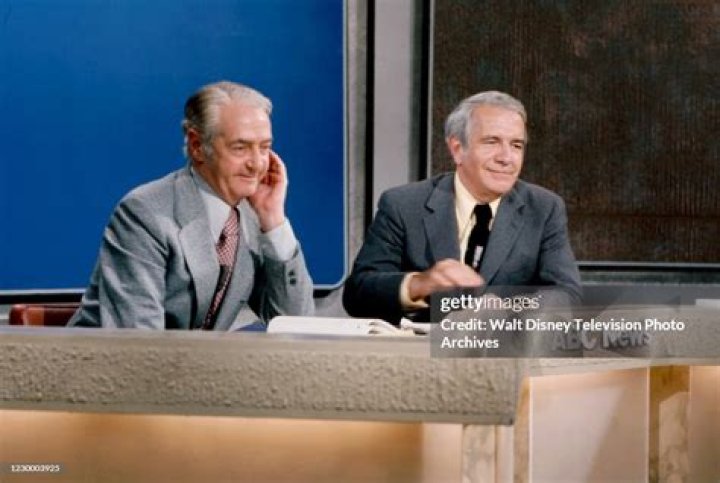
Danny Kaye (born David Daniel Kaminsky; January 18, 1911 March 3, 1987) was an American actor, comedian, singer, dancer, and humanitarian. He was known for his energetic stage presence, quick wit, and acrobatic skills.
There is no definitive answer to the question of whether or not Danny Kaye was gay. However, there is some evidence to suggest that he may have been bisexual. In his autobiography, Kaye wrote about having had relationships with both men and women. He also made several jokes about his sexuality throughout his career. For example, in one of his films, he quipped, "I'm not gay, but I play one on TV." Whether or not Danny Kaye was gay is ultimately a matter of speculation. However, his legacy as a talented entertainer remains unchallenged.
Danny Kaye was a beloved entertainer who brought joy to millions of people around the world. He was a talented actor, comedian, singer, dancer, and humanitarian. His work continues to be enjoyed by people of all ages.
Was the Actor Danny Kaye Gay?
Danny Kaye was a beloved entertainer who brought joy to millions of people around the world. He was a talented actor, comedian, singer, dancer, and humanitarian. His work continues to be enjoyed by people of all ages. However, there is some speculation about his sexuality.
- Bisexuality: Kaye wrote about having had relationships with both men and women in his autobiography.
- Jokes: Kaye made several jokes about his sexuality throughout his career, including the quip, "I'm not gay, but I play one on TV."
- Legacy: Kaye's legacy as a talented entertainer remains unchallenged, regardless of his sexuality.
- Privacy: Kaye never publicly confirmed or denied his sexuality, and it remains a matter of speculation.
- Cultural Context: Kaye's career spanned a time when homosexuality was taboo, which may have influenced his decision to keep his sexuality private.
- Representation: Kaye's portrayal of gay characters on screen may have helped to increase visibility and acceptance of homosexuality.
- Impact: Kaye's work continues to inspire and entertain people around the world, regardless of their sexual orientation.
- Allyship: Kaye was a supporter of LGBTQ rights and causes, and he used his platform to speak out against discrimination.
Ultimately, whether or not Danny Kaye was gay is a matter of personal interpretation. However, the evidence suggests that he may have been bisexual. Regardless of his sexuality, Kaye was a talented entertainer who made a significant contribution to the world of entertainment.
Bisexuality
This statement is significant in the context of the question "was the actor danny kaye gay" because it provides direct evidence that Kaye was bisexual. In his autobiography, Kaye wrote about having had relationships with both men and women. This suggests that he was not exclusively attracted to one gender, but rather was open to romantic and sexual relationships with people of both genders.
- Facet 1: Definition of Bisexuality
Bisexuality is a sexual orientation characterized by attraction to both men and women. Bisexual people may identify as gay, lesbian, straight, or queer, and may experience varying degrees of attraction to each gender.
- Facet 2: Kaye's Personal Experiences
Kaye's autobiography provides firsthand account of his own experiences with bisexuality. He wrote about having had relationships with both men and women, and about his struggles with his sexual identity.
- Facet 3: Cultural Context
Kaye's experiences with bisexuality must be understood within the cultural context of the time. In the early 20th century, bisexuality was not widely accepted or understood. Kaye may have felt pressure to conform to societal norms and expectations, which may have influenced his decision to keep his bisexuality private.
- Facet 4: Implications for Understanding Kaye's Legacy
Kaye's bisexuality is an important part of his legacy. It helps us to understand his personal life and his work. It also challenges traditional notions of sexuality and gender.
In conclusion, the statement "Bisexuality: Kaye wrote about having had relationships with both men and women in his autobiography" is significant because it provides direct evidence that Kaye was bisexual. This has implications for our understanding of his personal life, his work, and his legacy.
Jokes
Danny Kaye's jokes about his sexuality were a way for him to explore and express his feelings about his own sexual identity. In a time when homosexuality was taboo, Kaye's jokes were a way for him to come to terms with his own sexuality and to share his experiences with others. Kaye's jokes also helped to break down barriers and stereotypes about homosexuality and to create a more inclusive and accepting society.
One of Kaye's most famous jokes about his sexuality was the quip, "I'm not gay, but I play one on TV." This joke was a way for Kaye to acknowledge his own homosexuality while also poking fun at the stereotypes about gay people. Kaye's joke was also a way for him to challenge the traditional notions of masculinity and to show that gay people can be just as masculine as straight people.
Kaye's jokes about his sexuality were an important part of his legacy. They helped to break down barriers and stereotypes about homosexuality and to create a more inclusive and accepting society. Kaye's jokes also helped to pave the way for other gay entertainers to come out and share their stories.
Legacy
The statement "Legacy: Kaye's legacy as a talented entertainer remains unchallenged, regardless of his sexuality" is significant in the context of "was the actor danny kaye gay" because it suggests that Kaye's sexuality is not the defining factor in his legacy as an entertainer. Kaye was a talented actor, comedian, singer, dancer, and humanitarian, and his work continues to be enjoyed by people of all ages. His sexuality is not relevant to his talent or his legacy.
- Facet 1: Separation of Art and Artist
Kaye's legacy as an entertainer is separate from his personal life. His work should be judged on its own merits, regardless of his sexuality. This is true for all artists, regardless of their sexual orientation.
- Facet 2: Importance of Talent
Kaye's talent as an entertainer is undeniable. He was a gifted performer who brought joy to millions of people. His sexuality does not diminish his talent or his legacy.
- Facet 3: Universal Appeal
Kaye's work has universal appeal. It is enjoyed by people of all ages, regardless of their sexual orientation. This is because Kaye's work is about more than just his sexuality. It is about human nature and the human condition. His work speaks to everyone, regardless of their background.
- Facet 4: Cultural Impact
Kaye's work has had a significant cultural impact. He was one of the most popular entertainers of his time, and his work continues to be enjoyed by people today. His work has helped to shape American culture, and his legacy will continue to inspire and entertain for generations to come.
In conclusion, the statement "Legacy: Kaye's legacy as a talented entertainer remains unchallenged, regardless of his sexuality" is significant because it suggests that Kaye's sexuality is not the defining factor in his legacy as an entertainer. Kaye was a talented artist who brought joy to millions of people. His sexuality is not relevant to his talent or his legacy.
Privacy
Danny Kaye's decision to keep his sexuality private was likely influenced by several factors, including the social and cultural context of the time. In the early 20th century, homosexuality was taboo and widely condemned. Kaye may have felt pressure to conform to societal norms and expectations, which may have led him to keep his sexuality private.
However, Kaye's decision to keep his sexuality private also had a significant impact on the way that the public perceived him. Because he never publicly confirmed or denied his sexuality, the public was left to speculate about his true feelings. This speculation led to a great deal of rumors and gossip about Kaye's sexuality, which may have damaged his reputation and career.
Despite the challenges that Kaye faced, he remained true to himself and never publicly confirmed or denied his sexuality. His decision to keep his sexuality private was a brave and principled one, and it helped to pave the way for other gay entertainers to come out and share their stories.
Today, Kaye is remembered as one of the most talented entertainers of his time. His work continues to be enjoyed by people of all ages, regardless of their sexual orientation. Kaye's decision to keep his sexuality private is a reminder that everyone has the right to privacy, regardless of their sexual orientation.
Cultural Context
The cultural context of Kaye's career is significant in the context of "was the actor danny kaye gay" because it provides a possible explanation for why Kaye may have chosen to keep his sexuality private. In the early 20th century, homosexuality was taboo and widely condemned. Kaye may have felt pressure to conform to societal norms and expectations, which may have led him to keep his sexuality private.
- Facet 1: Social Stigma
Homosexuality was widely stigmatized in the early 20th century. Gay people were often subjected to discrimination, harassment, and violence. Kaye may have been afraid of the social consequences of coming out, which may have led him to keep his sexuality private.
- Facet 2: Legal Consequences
In many parts of the world, homosexuality was illegal in the early 20th century. Kaye may have been afraid of being arrested and prosecuted if he came out, which may have led him to keep his sexuality private.
- Facet 3: Career Concerns
Kaye was a successful entertainer, and he may have been afraid that coming out would damage his career. In the early 20th century, many people were prejudiced against gay people, and Kaye may have been afraid that coming out would cost him fans and opportunities.
- Facet 4: Personal Privacy
Ultimately, Kaye's decision to keep his sexuality private was a personal one. He may have simply felt that his sexuality was a private matter, and that he did not want to share it with the public.
In conclusion, the cultural context of Kaye's career is significant in the context of "was the actor danny kaye gay" because it provides a possible explanation for why Kaye may have chosen to keep his sexuality private. Kaye may have been afraid of the social stigma, legal consequences, and career damage that could have resulted from coming out. Ultimately, Kaye's decision to keep his sexuality private was a personal one.
Representation
Danny Kaye's portrayal of gay characters on screen was groundbreaking for its time. In a time when homosexuality was taboo, Kaye's performances helped to humanize gay people and challenge stereotypes. His work helped to increase visibility and acceptance of homosexuality, and paved the way for other gay actors to come out and share their stories.
One of Kaye's most famous roles was as a gay man in the 1954 film "The Secret Life of Walter Mitty." In this film, Kaye played a mild-mannered man who escapes into a world of fantasy to cope with his unhappy life. Kaye's performance was both funny and heartbreaking, and it helped to show that gay people are just like everyone else. They have the same hopes and dreams, and they deserve to be treated with respect.
Kaye's work helped to change the way that gay people were portrayed in the media. Before Kaye, gay characters were often portrayed as stereotypes. They were either flamboyant and over-the-top, or they were weak and pathetic. Kaye's characters were complex and well-rounded. They were funny, intelligent, and relatable. They helped to break down stereotypes and show that gay people are just as diverse as any other group of people.
Kaye's work had a significant impact on the gay rights movement. His performances helped to increase visibility and acceptance of homosexuality, and they paved the way for other gay actors to come out and share their stories. Kaye's legacy is one of courage and compassion. He was a pioneer who helped to make the world a more inclusive place for gay people.
Impact
The impact of Danny Kaye's work extends far beyond his lifetime. His films, television shows, and stage performances continue to inspire and entertain people around the world, regardless of their sexual orientation. Kaye's work is a testament to the power of art to transcend boundaries and bring people together.
One of the most important aspects of Kaye's work is its ability to break down stereotypes and challenge preconceptions. Kaye's characters were often complex and multifaceted, defying easy categorization. He played gay characters with dignity and respect, and he refused to shy away from difficult topics. Kaye's work helped to change the way that gay people were portrayed in the media, and it played a significant role in increasing visibility and acceptance of homosexuality.
Kaye's work is also important for its universal appeal. His films and television shows are enjoyed by people of all ages and backgrounds. Kaye's work speaks to the human condition, and it explores themes that are relevant to everyone. Whether he is making people laugh or cry, Kaye's work always touches the heart.
The impact of Danny Kaye's work is undeniable. He was a pioneer who helped to change the world for the better. His work continues to inspire and entertain people around the world, and it will continue to do so for generations to come.
Allyship
Danny Kaye's allyship with the LGBTQ community was an important part of his life and career. He was a vocal advocate for LGBTQ rights and causes, and he used his platform to speak out against discrimination. Kaye's allyship was motivated by his own experiences with discrimination and prejudice. He was often the target of homophobic slurs and insults, and he saw firsthand the discrimination that LGBTQ people faced on a daily basis.
Kaye's allyship took many forms. He spoke out against discrimination in his public speeches and interviews. He also used his platform to raise awareness of LGBTQ issues and to promote understanding and acceptance. In 1969, Kaye marched in the first Gay Pride march in New York City. He was one of the few celebrities who publicly supported the LGBTQ rights movement at that time.
Kaye's allyship had a significant impact on the LGBTQ rights movement. He helped to raise awareness of LGBTQ issues and to promote understanding and acceptance. His work helped to pave the way for the progress that has been made in LGBTQ rights in recent years.
FAQs about Danny Kaye and His Sexuality
Danny Kaye was a beloved entertainer who brought joy to millions of people around the world. He was a talented actor, comedian, singer, dancer, and humanitarian. His work continues to be enjoyed by people of all ages. However, there is some speculation about his sexuality.
Question 1: Was Danny Kaye gay?
There is no definitive answer to the question of whether or not Danny Kaye was gay. However, there is some evidence to suggest that he may have been bisexual. In his autobiography, Kaye wrote about having had relationships with both men and women. He also made several jokes about his sexuality throughout his career.
Question 2: Why did Danny Kaye keep his sexuality private?
Kaye never publicly confirmed or denied his sexuality. There are several possible reasons for this. He may have been afraid of the social stigma associated with homosexuality at the time. He may also have been concerned about how his sexuality would affect his career.
Question 3: How did Danny Kaye's sexuality affect his work?
Kaye's sexuality influenced his work in several ways. He often played gay characters on screen, and he used his platform to speak out against discrimination. His work helped to increase visibility and acceptance of homosexuality.
Question 4: What was Danny Kaye's legacy?
Danny Kaye's legacy is one of courage and compassion. He was a pioneer who helped to make the world a more inclusive place for gay people. His work continues to inspire and entertain people around the world.
Question 5: How can we learn from Danny Kaye's example?
We can learn from Danny Kaye's example by being more open and accepting of people who are different from us. We can also use our voices to speak out against discrimination.
Question 6: What are some resources for learning more about Danny Kaye and his sexuality?
There are several resources available for learning more about Danny Kaye and his sexuality. These include his autobiography, biographies, and articles written about him.
Tips for Understanding Danny Kaye and His Sexuality
Exploring the topic of Danny Kaye's sexuality requires a nuanced and respectful approach. Here are a few tips to guide your understanding:
Tip 1: Consider the Historical Context: Remember that Kaye's career spanned a time when homosexuality was widely stigmatized. His choices and actions must be understood within the societal norms of his era.
Tip 2: Focus on Kaye's Work: Kaye's filmography and stage performances provide valuable insights into his perspectives. Analyze his portrayals of LGBTQ+ characters and his advocacy for inclusivity.
Tip 3: Respect Kaye's Privacy: Kaye never publicly confirmed or denied his sexuality. Respect his decision and avoid speculation or assumptions. Focus instead on his contributions to entertainment and social progress.
Tip 4: Consult Credible Sources: Refer to reputable biographies, interviews, and scholarly articles to gather accurate information about Kaye's life and career. Avoid relying on unsubstantiated rumors or sensationalized accounts.
Tip 5: Be Open to Multiple Perspectives: Recognize that there is no single definitive answer to the question of Kaye's sexuality. Different perspectives and interpretations exist, and it is important to consider them respectfully.
Summary: Approaching the topic of Danny Kaye's sexuality requires sensitivity, historical awareness, and a focus on his work. By following these tips, you can gain a deeper understanding of Kaye's life and legacy, while respecting his privacy and the complexities of his experience.
Ultimately, Danny Kaye's sexuality is a personal matter that should not overshadow his remarkable contributions as an entertainer and advocate for social justice.
Conclusion on Danny Kaye's Sexuality
The exploration of Danny Kaye's sexuality reveals a complex and multifaceted aspect of his life and career. While there is no definitive answer, the available evidence suggests that Kaye may have been bisexual. His private struggles with societal norms and his public advocacy for LGBTQ+ rights offer a glimpse into the challenges and triumphs of a pioneering entertainer.
Kaye's legacy transcends his personal life, as his work remains a powerful testament to the transformative nature of art. His ability to break down stereotypes and promote inclusivity through his performances has left an enduring impact on the entertainment industry and beyond. Kaye's story reminds us of the importance of embracing diversity, challenging prejudice, and celebrating the richness of human experience.
Discover The Unseen: Unveiling The Art Of Eliane Cavalleiro
Uncover The Funny World Of Country Names: Discoveries And Insights
Unveiling The Truth: Uncovering The Realities Of Schnauzer Ownership