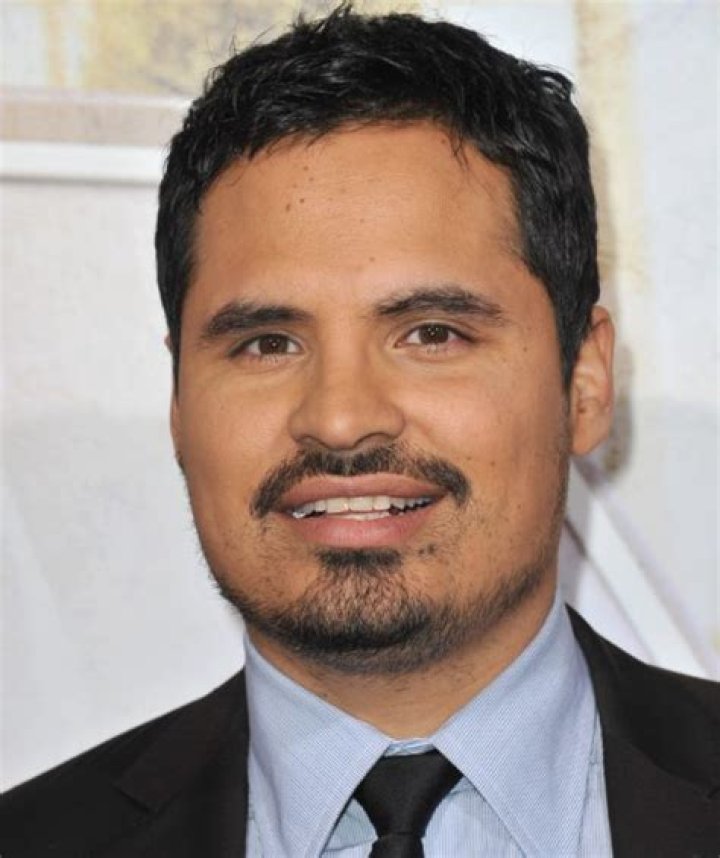
William Patrick Slayton (1920-1993) was an American astronaut and United States Air Force officer. He was one of the original seven Mercury astronauts selected by NASA in 1959, and he commanded the Apollo-Soyuz mission in 1975, which was the first joint spaceflight between the United States and the Soviet Union.
Slayton was born in Sparta, Wisconsin, and he graduated from the United States Military Academy at West Point in 1942. He served as a fighter pilot in the United States Air Force during World War II and the Korean War, and he was awarded the Distinguished Flying Cross and the Air Medal.
After the war, Slayton became a test pilot and was selected to be one of the original seven Mercury astronauts. He was originally scheduled to command the second Mercury mission, but he was grounded due to a heart condition. He eventually flew on the Apollo-Soyuz mission in 1975, which was the first joint spaceflight between the United States and the Soviet Union.
William Patrick Slayton
William Patrick Slayton was an American astronaut and United States Air Force officer. He was one of the original seven Mercury astronauts selected by NASA in 1959, and he commanded the Apollo-Soyuz mission in 1975, which was the first joint spaceflight between the United States and the Soviet Union.
- Birth: Sparta, Wisconsin, June 9, 1920
- Death: Seattle, Washington, June 13, 1993
- Education: United States Military Academy at West Point (1942)
- Military service: United States Air Force (1942-1969)
- NASA career: Mercury astronaut (1959-1963), Apollo astronaut (1969-1975)
- Spaceflights: Apollo-Soyuz (1975)
- Awards: Distinguished Flying Cross, Air Medal
Slayton was a pioneer in the field of space exploration. He was one of the first Americans to orbit the Earth, and he commanded the first joint spaceflight between the United States and the Soviet Union. Slayton's contributions to space exploration helped to pave the way for future missions to the Moon and Mars.
Birth
William Patrick Slayton was born in Sparta, Wisconsin, on June 9, 1920. His birth in Sparta, Wisconsin, is significant because it was the beginning of his life and the start of his journey to becoming an astronaut. Slayton's birthplace helped to shape who he became and the contributions he made to the field of space exploration.
Slayton grew up in Sparta, Wisconsin, and he was always fascinated by airplanes and space travel. He attended the United States Military Academy at West Point, where he graduated in 1942. After graduating from West Point, Slayton served as a fighter pilot in the United States Air Force during World War II and the Korean War. He was awarded the Distinguished Flying Cross and the Air Medal for his service.
In 1959, Slayton was selected as one of the original seven Mercury astronauts. He was originally scheduled to command the second Mercury mission, but he was grounded due to a heart condition. He eventually flew on the Apollo-Soyuz mission in 1975, which was the first joint spaceflight between the United States and the Soviet Union.
Slayton's birthplace in Sparta, Wisconsin, is a reminder of his humble beginnings and the journey he took to become an astronaut. He is an inspiration to all who dream of achieving great things.
Death
The death of William Patrick Slayton on June 13, 1993, in Seattle, Washington, marked the end of an era in space exploration. Slayton was one of the original seven Mercury astronauts, and he commanded the Apollo-Soyuz mission in 1975, which was the first joint spaceflight between the United States and the Soviet Union.
- Legacy: Slayton's legacy as an astronaut and space explorer is secure. He was one of the pioneers of space exploration, and he helped to pave the way for future missions to the Moon and Mars.
- Inspiration: Slayton's life and career are an inspiration to all who dream of achieving great things. He overcame adversity to become one of the most successful astronauts in history.
- Loss: Slayton's death was a great loss to the space community and to the world. He was a brilliant astronaut, a skilled leader, and a true pioneer.
Slayton's death is a reminder that even the most accomplished people are mortal. However, his legacy will continue to inspire generations to come.
Education
William Patrick Slayton's education at the United States Military Academy at West Point in 1942 played a pivotal role in shaping his career as an astronaut and space explorer.
- Military Training and Discipline: West Point instilled in Slayton the discipline, leadership skills, and physical fitness necessary for the rigors of space travel.
- Engineering and Science Education: The academy provided Slayton with a strong foundation in engineering and science, which was essential for understanding the complex systems of spacecraft and space missions.
- Camaraderie and Teamwork: West Point fostered a sense of camaraderie and teamwork among its graduates, which was crucial for the success of space missions that required close collaboration among astronauts.
- Patriotism and Service: West Point instilled in Slayton a deep sense of patriotism and service, which motivated him to dedicate his life to serving his country through space exploration.
Slayton's education at West Point was a major factor in his success as an astronaut. It provided him with the skills, knowledge, and values that he needed to overcome the challenges of space travel and make significant contributions to the field of space exploration.
Military service
William Patrick Slayton's military service in the United States Air Force (USAF) from 1942 to 1969 was an integral part of his journey to becoming an astronaut and a key factor in his success in space exploration.
- Flight Experience and Expertise: Slayton's extensive experience as a fighter pilot in the USAF provided him with exceptional piloting skills and a deep understanding of aircraft systems, which were invaluable during his astronaut training and space missions.
- Physical and Mental Preparation: The rigorous training and demanding environment of the USAF prepared Slayton for the physical and mental challenges of space travel, including extreme G-forces, weightlessness, and isolation.
- Leadership and Teamwork: Slayton's military background instilled in him strong leadership and teamwork skills, essential for managing complex space missions and collaborating with fellow astronauts.
- Discipline and Focus: The USAF's emphasis on discipline and focus helped Slayton maintain composure and execute precise maneuvers in high-pressure situations during space missions.
Slayton's military service in the USAF laid the foundation for his successful career as an astronaut. It provided him with the necessary skills, knowledge, and mindset to excel in the demanding field of space exploration.
NASA career
William Patrick Slayton's NASA career as a Mercury astronaut (1959-1963) and Apollo astronaut (1969-1975) was the defining chapter of his life, shaping his legacy as a pioneer in space exploration.
As a Mercury astronaut, Slayton was part of the first group of American astronauts selected by NASA. He underwent rigorous training and was originally scheduled to command the second Mercury mission. However, a heart condition grounded him, preventing him from flying until the Apollo program.
Despite this setback, Slayton remained committed to space exploration. He served as the Capcom (Capsule Communicator) during the Apollo 11 moon landing and played a key role in the planning and execution of the Apollo-Soyuz mission, the first joint spaceflight between the United States and the Soviet Union.
Slayton's NASA career was marked by his exceptional leadership skills, technical expertise, and unwavering determination. He was a mentor to younger astronauts and helped to pave the way for future space missions.
Spaceflights
The Apollo-Soyuz mission in 1975 was a pivotal moment in the history of space exploration, and William Patrick Slayton played a central role in its success.
After being grounded from the Mercury program due to a heart condition, Slayton remained committed to space exploration. He served as the Capcom (Capsule Communicator) during the Apollo 11 moon landing and played a key role in planning the Apollo-Soyuz mission.
The Apollo-Soyuz mission was the first joint spaceflight between the United States and the Soviet Union. It was a complex and challenging mission, but Slayton's leadership and expertise helped to ensure its success. The mission was a major step forward in international cooperation and paved the way for future joint space missions.
Slayton's role in the Apollo-Soyuz mission cemented his legacy as a pioneer in space exploration. He was a true visionary who helped to shape the future of space travel.
Awards
William Patrick Slayton was awarded the Distinguished Flying Cross and the Air Medal for his service as a fighter pilot in the United States Air Force during World War II and the Korean War. These awards recognize Slayton's bravery, skill, and dedication as a military aviator.
The Distinguished Flying Cross is awarded to pilots who have demonstrated heroism or extraordinary achievement while participating in aerial flight. Slayton earned this award for his actions during a bombing mission over North Korea, in which he successfully attacked a heavily defended target despite intense enemy fire.
The Air Medal is awarded to pilots who have participated in aerial combat or have flown in support of combat operations. Slayton earned this award for his numerous combat missions over North Korea. He flew a total of 58 combat missions during the Korean War.
Slayton's awards are a testament to his skill and courage as a pilot. They also reflect his dedication to serving his country. Slayton's military service was an important part of his life, and it helped to prepare him for his career as an astronaut.
FAQs about William Patrick Slayton
This section provides answers to frequently asked questions about William Patrick Slayton, an American astronaut and United States Air Force officer who played a significant role in the Mercury and Apollo programs.
Question 1: When and where was William Patrick Slayton born?William Patrick Slayton was born in Sparta, Wisconsin, on June 9, 1920.
Question 2: What was Slayton's military service?Slayton served as a fighter pilot in the United States Air Force during World War II and the Korean War. He flew a total of 58 combat missions and was awarded the Distinguished Flying Cross and the Air Medal.
Question 3: When was Slayton selected as an astronaut?Slayton was selected as one of the original seven Mercury astronauts by NASA in 1959.
Question 4: Which space missions did Slayton participate in?Slayton commanded the Apollo-Soyuz mission in 1975, which was the first joint spaceflight between the United States and the Soviet Union.
Question 5: What was Slayton's role in the Apollo 11 mission?Slayton served as the Capcom (Capsule Communicator) during the Apollo 11 moon landing.
Question 6: When did Slayton die?Slayton died in Seattle, Washington, on June 13, 1993.
Slayton's legacy as an astronaut and space explorer continues to inspire generations. He was a pioneer in the field of space exploration and helped to pave the way for future missions to the Moon and Mars.
For more information about William Patrick Slayton and his contributions to space exploration, please refer to the following resources:
- NASA biography of William Patrick Slayton
- Space.com article about William Patrick Slayton
- Britannica biography of William Patrick Slayton
Tips by William Patrick Slayton
William Patrick Slayton, an American astronaut and United States Air Force officer, played a significant role in the Mercury and Apollo programs. Throughout his career, he accumulated a wealth of knowledge and experience that can serve as valuable tips for anyone aspiring to achieve success in their field.
Tip 1: Embrace Challenges and Setbacks
Slayton faced numerous challenges throughout his career, including being grounded from the Mercury program due to a heart condition. However, he never gave up on his dream of becoming an astronaut. He persevered, and eventually commanded the Apollo-Soyuz mission in 1975.
Tip 2: Stay Focused and Determined
Slayton remained focused and determined throughout his career, even when faced with setbacks. He worked hard to overcome obstacles and achieve his goals. His unwavering determination was a key factor in his success.
Tip 3: Be a Team Player
Slayton recognized the importance of teamwork in space exploration. He worked closely with his fellow astronauts and engineers to ensure the success of his missions. Collaboration and teamwork are essential for achieving great things.
Tip 4: Never Stop Learning
Slayton was always eager to learn and expand his knowledge. He studied diligently and sought out opportunities to improve his skills. Continuous learning is crucial for personal and professional growth.
Tip 5: Give Back to Your Community
Slayton believed in giving back to his community. He shared his experiences and knowledge with others, inspiring them to pursue their dreams. Contributing to the community can create a positive impact and make a difference in the world.
Summary
By embracing challenges, staying focused, being a team player, never stopping learning, and giving back to the community, you can increase your chances of success in any field. William Patrick Slayton's tips serve as a valuable guide for anyone seeking to achieve their goals and make a meaningful contribution to society.
Conclusion on William Patrick Slayton
William Patrick Slayton, a pioneering astronaut and Air Force officer, left an indelible mark on the history of space exploration. His unwavering determination, exceptional leadership, and technical expertise played a pivotal role in the success of the Mercury and Apollo programs.
Slayton's journey exemplifies the indomitable spirit of human exploration. Despite facing setbacks and physical challenges, he remained committed to his dream of reaching the stars. His legacy as a commander, Capcom, and mentor continues to inspire generations of astronauts and space enthusiasts.
Uncover The Hidden Story Of Virginia Gardner's Parents: Surprising Insights Revealed
Unlocking The Secrets Of Diana Nyad's Marriage To Bart Springtime
Unveiling Mackenzie Scott's Age: A Journey Of Philanthropy And Impact